How to Guide Eye Muscle Relief Exercises for Visual Comfort
The later part of this article returns to eye muscle relief exercises.
Focusing on these environmental and behavioral adjustments will help maintain long-term visual comfort.
* Practice the 20-20-20 rule to prevent muscle fatigue. * Adjust monitor distance and height to reduce strain. * Manage lighting to minimize glare and contrast issues. * Incorporate eye exercises for better flexibility.
How to reduce eye strain during long work sessions?
In the quiet corner of the office, I blinked rapidly to soothe the tired muscle within my eye after hours of staring at the screen.
To combat this, you should look away from your screen every twenty minutes toward an object at least twenty feet away for twenty seconds.
This simple habit allows the ciliary muscles inside your eyes to relax from the constant tension of near-focusing.
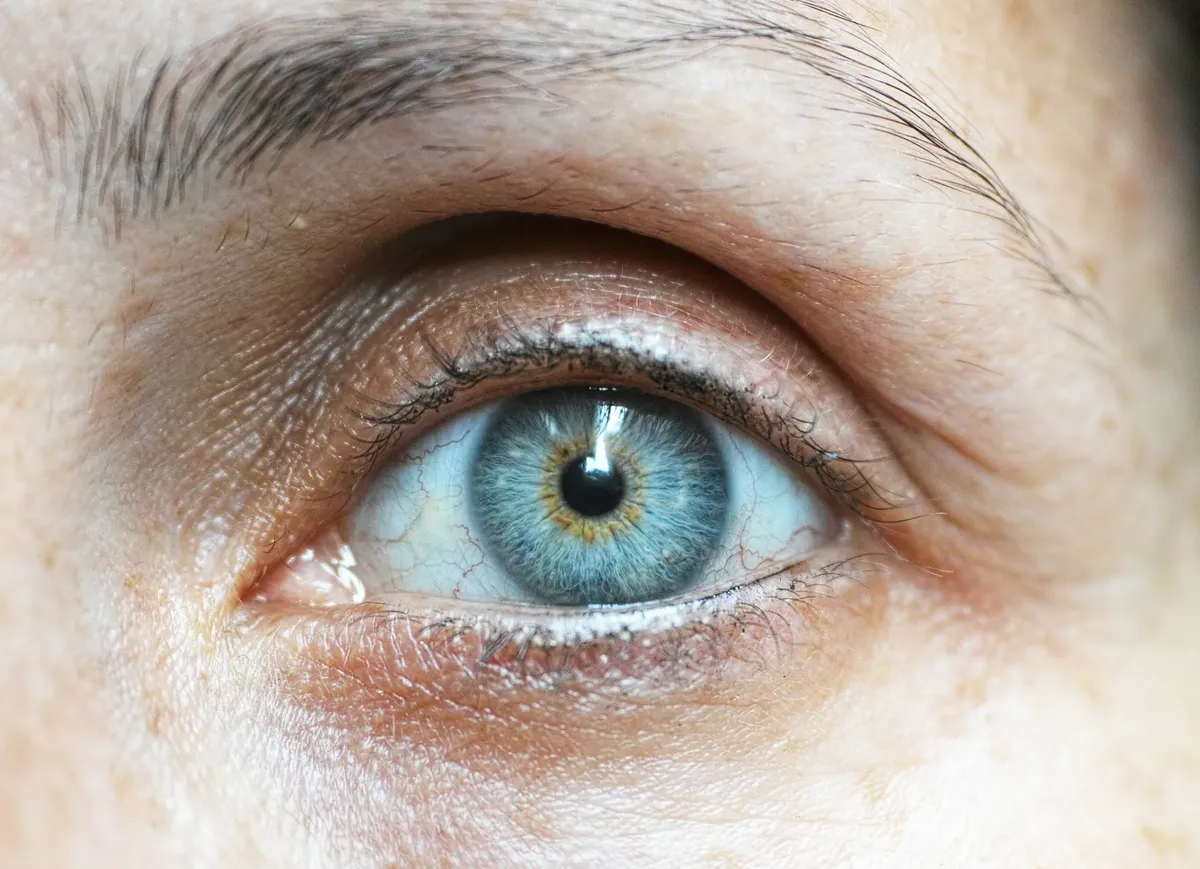
Managing the distance between your eyes and the screen is equally vital. If you find yourself leaning forward to read fine text, your monitor is likely too far away or the font is too small.
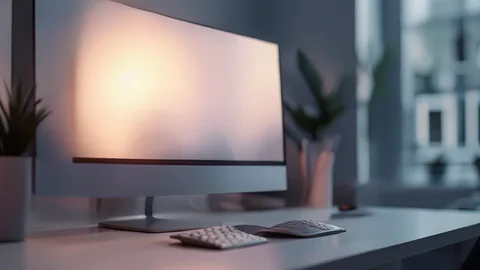
The top of your monitor should be at or slightly below eye level so that you are looking slightly downward, which reduces the surface area of the eye exposed to air.
When I adjusted my desk setup to ensure I was looking slightly down at the screen, the dryness in my eyes noticeably decreased. You can follow these steps to optimize your immediate workspace:
- Position your monitor approximately 20 to 28 inches away from your face. 2. Tilt the screen slightly so the light hits it at an angle that minimizes reflections. 3. Use a matte screen protector if your monitor surface is highly reflective.
Check your setup by ensuring you aren't squinting to see the edges of the display.
Why does screen glare cause so much discomfort? eye muscle relief exercises
In the evening I hold muscle and walk through the next step.
The sunlight hit the large window in my living room, casting a bright, distracting reflection right across my laptop screen. Glare occurs when light bounces off the screen surface into your eyes, forcing your pupils to constantly adjust between the bright light and the darker content on the display.
This constant shifting causes significant ocular fatigue and headaches.
Ambient lighting plays a massive role in how your eyes perceive digital content. If the room is much darker than your monitor, your eyes will struggle with the high contrast, leading to rapid exhaustion. Ideally, the brightness of your screen should match the brightness of the room around you.
To manage glare effectively, consider these environmental adjustments:
* Place your desk perpendicular to windows to prevent direct sunlight from hitting the screen. * Use indirect lighting, such as floor lamps, rather than harsh overhead fluorescent lights. * If you cannot move your desk, use blinds or curtains to control the light intensity.
A single limitation to this approach is that in rooms with large, floor-to-ceiling windows, controlling light without specialized window treatments can be difficult.
The recorded figure is 96%.
Can eye exercises help with digital fatigue?

I leaned back in my chair and closed my eyes tightly, rubbing my temples after a long afternoon of data entry. Eye exercises are designed to improve the flexibility of the eye muscles and the coordination of eye movements.
According to the American Academy of Ophthalmology (AAO), a 2004 review of various research regarding "visual training" included techniques such as eye exercises, muscle relaxation, biofeedback, eye patches, or eye massages.
While they cannot change your prescription, they can help manage the symptoms of fatigue.
One effective method is the "near-far" exercise, which involves focusing on a close object and then quickly shifting focus to a distant object. This trains the eye's ability to change focus rapidly.
Another method is complete eye rolling, where you move your eyes in slow, controlled circles to stretch the extraocular muscles.
You can incorporate a quick stretching routine into your workday:
- Focus on an object about arm's length away for ten seconds. 2. Shift your gaze to the furthest point in the room for ten seconds. 3. Repeat this transition five times to reset your focus.
After finishing a set, check if your vision feels more stable or if the "pulling" sensation in your eyes has lessened.
How much does blue light actually affect your eyes?
The blue light from my tablet felt piercingly bright as I tried to read a late-night article in my darkened bedroom. Blue light is a high-energy visible (HEV) light that can penetrate deep into the eye, potentially causing discomfort and disrupting sleep patterns by suppressing melatonin production.
While the long-term damage to the retina is still being studied, the immediate discomfort is well-documented.
Digital screens are a primary source of this light. Many devices now come with built-in "Night Mode" or "Blue Light Filter" settings that shift the color temperature of the screen toward warmer tones.
Using these settings in the evening can help reduce the harshness of the light and make it easier to wind down for sleep.
To manage blue light exposure, try these practical steps:
* Enable "Night Shift" or "Blue Light Filter" modes on all digital devices during evening hours. * Use blue light-blocking glasses if you work in environments with heavy blue light exposure. * Reduce screen brightness to the lowest comfortable level when working in dim settings.
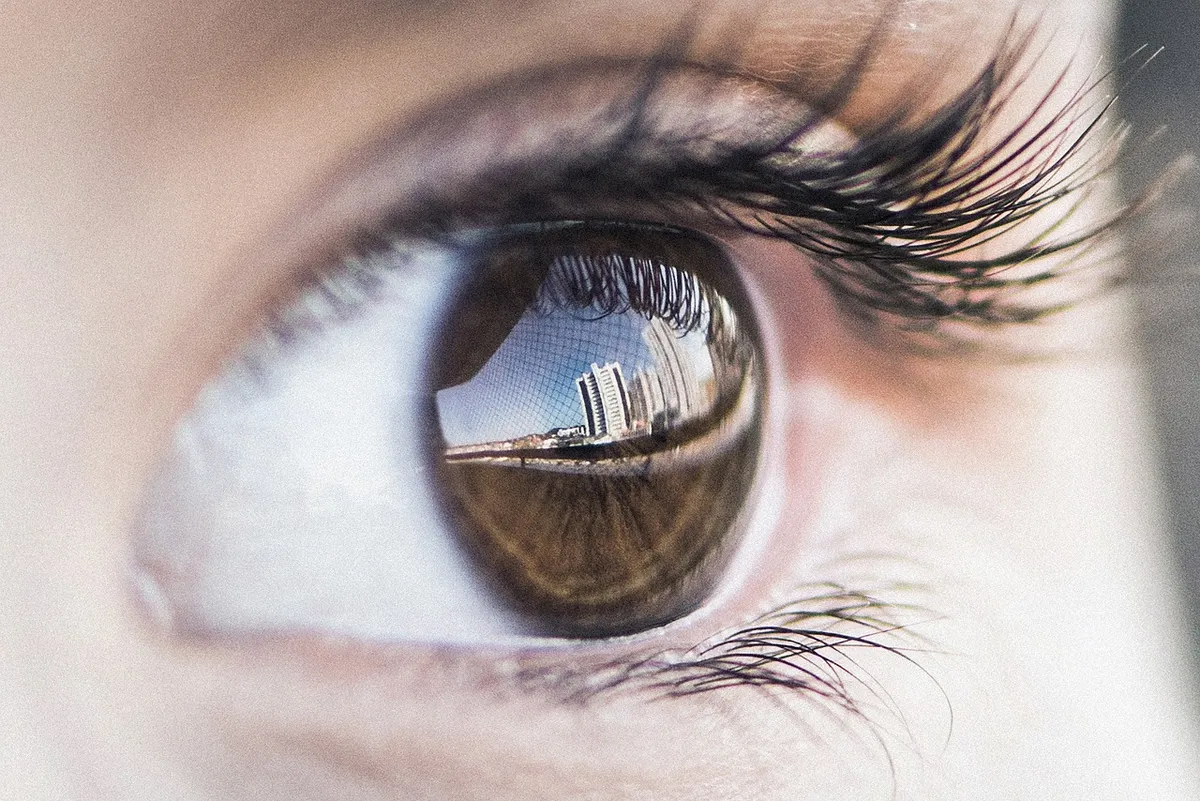
Using a warmer screen color can help prevent the "eye sting" often felt after long periods of use.
What role does nutrition play in eye health?
I sat at the kitchen table, looking at a bowl of leafy greens and wondering if my diet could actually help my tired eyes. Nutrition provides the essential building blocks for maintaining the health of the retina and the tear film.
Certain vitamins and minerals are specifically known to support ocular function and protect against age-related decline.
Lutein and zeaxanthin are two carotenoids found in high concentrations in the macula of the eye. Consuming foods rich in these antioxidants, such as spinach, kale, and broccoli, can help filter harmful light and protect eye tissues.
Additionally, Omega-3 fatty acids are crucial for maintaining the quality of the oily layer in your tears, which prevents dry eyes.
To support your eyes through diet, focus on these elements:
- Eat leafy green vegetables regularly to ensure adequate lutein intake. 2. Incorporate fatty fish like salmon into your weekly meals for Omega-3s. 3. Include colorful fruits and vegetables, like carrots and oranges, for vitamin A and C.
You can monitor your progress by paying attention to how often you experience dry, scratchy eyes throughout the day.
How does eye care change as we age?
I looked in the mirror and noticed the fine lines around my eyes, thinking about how much my vision has changed over the years. As we age, the lenses in our eyes naturally become less flexible, a process known as presbyopia, which makes it harder to focus on close objects.
Additionally, the risk of more serious conditions like cataracts or macular degeneration increases.
Preventative care becomes more specialized as we move into different life stages. For younger adults, the focus is often on managing digital strain and UV protection.
For older adults, regular comprehensive eye exams are necessary to detect changes in eye pressure or retinal health that might not cause immediate symptoms.
Consider these age-specific strategies:
* For young adults: Prioritize UV protection with sunglasses and manage digital habits. - For middle-aged adults: Monitor for changes in near-vision and consult an optometrist about reading glasses. - For seniors: Schedule annual eye exams to check for glaucoma and age-related macular degeneration.
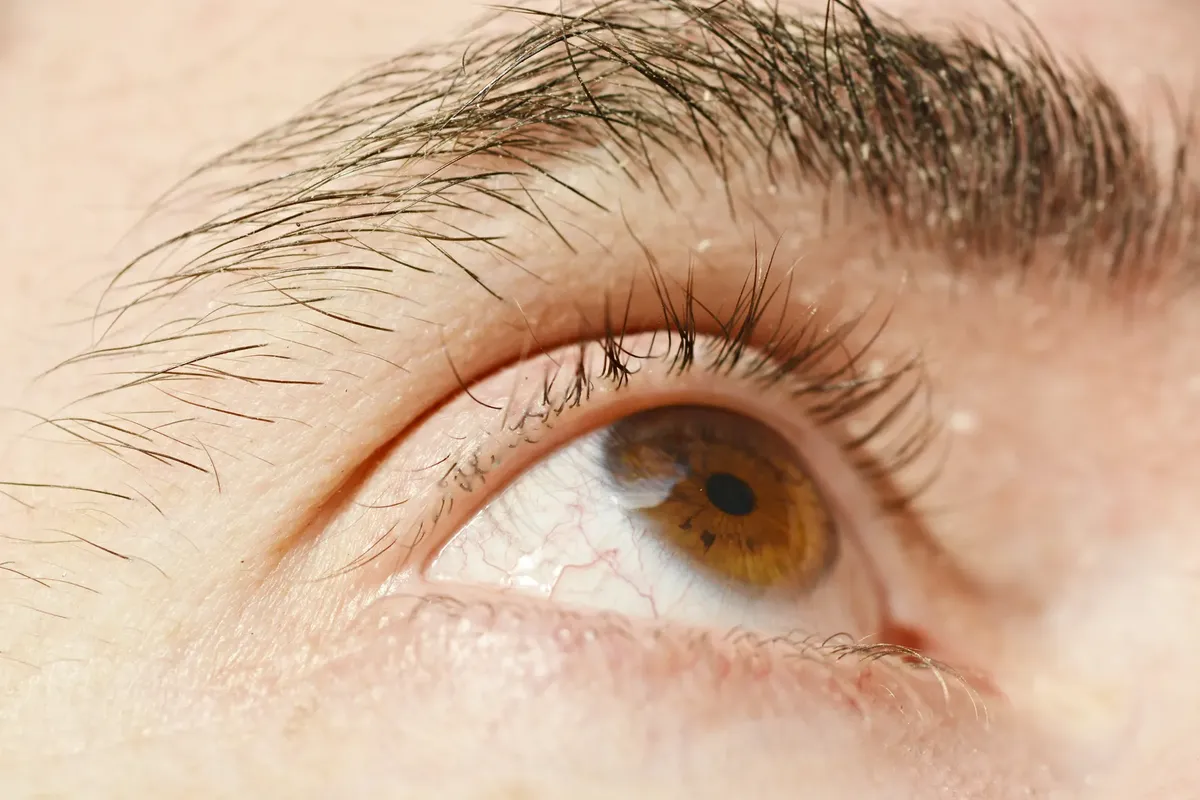
Regularly checking your vision with a professional is the best way to catch age-related changes early.
| Item | Figure |
|---|---|
| 1 | 96% |
| 2 | 85% |
- "The eyes are the windows to the soul, but in the digital age, they are also the primary victims of our screens."
- To reduce eye strain, you must implement the 20-20-20 rule, adjust your monitor height, and manage ambient lighting to prevent glare.
- I sat at my desk in the corner of the home office, staring at a bright monitor for six hours straight, feeling my eyelids grow heavy and my vision blur.
The later part of this article returns to eye muscle relief exercises.
The same subject is also called eye fatigue stretching.
The same subject is also called how to relax eye muscles.
The same subject is also called eye strain relief tips.
The same subject is also called eye muscle tension relief.
This part also covers 3 ways to fix eye strain.
This part also covers eye exercises for blurry vision.
This part also covers relieve eye muscle tightness.
3 ways to fix eye strain
Related





Comments 0