Digital Eye Strain: How 20-20-20 Rule Protects Your Vision
"Your eyes are the windows to a digital world that never sleeps, but they weren't built for the constant glare of a backlit screen."
This article is about Protects. Managing eye strain requires a combination of environmental adjustments, regular movement, and nutritional support to prevent long-term vision degradation.
To protect your sight, you must implement the 20-20-20 rule, optimize your lighting to reduce glare, and maintain a diet rich in ocular vitamins.
* Implement the 20-20-20 rule to break constant focus. * Adjust monitor height and ambient lighting to prevent squinting. * Prioritize eye-healthy nutrients like lutein and omega-3s. * Understand that digital strain is a global growing risk.
Why do my eyes feel heavy after work?

The cool blue light from a smartphone screen illuminates a dark bedroom at 11:00 PM, leaving eyes feeling gritty and tight. This sensation is often the result of reduced blink rates during intense focus, which leads to rapid tear evaporation and muscle fatigue.
According to the Eyewear Center, digital eye strain detection has become a primary focus for Konstantin Vision & Eyewear Center at its eyeglasses store in NYC in 2026.
According to the University of Melbourne, those blue-blocking lenses probably won’t help your digital eye strain.
When you stare at a monitor, your blink rate naturally drops by as much as 60%, meaning your eyes aren't getting the moisture they need to stay lubricated. This constant tension in the ciliary muscles, which control the lens, creates that heavy, "sand in the eyes" feeling.
To combat this, you must consciously practice blinking and look away from the light source frequently.
The physical sensation of weight in the eyelids is a signal that your ocular muscles are overworked. Instead of pushing through the fatigue, you should recognize this as a biological cue to reset your focus.
However, these symptoms may not subside if the underlying cause is a serious medical condition.
How can monitor and lighting environments be optimized?
A bright desk lamp reflects off a glass coffee table, creating a blinding glare that makes reading difficult. This type of reflected light forces the eyes to work harder to resolve images, leading to headaches and squinting.
To fix your workspace, position your monitor so that windows are to the side rather than directly in front or behind you. This prevents both direct glare and the high-contrast "silhouetting" effect that causes eye strain.
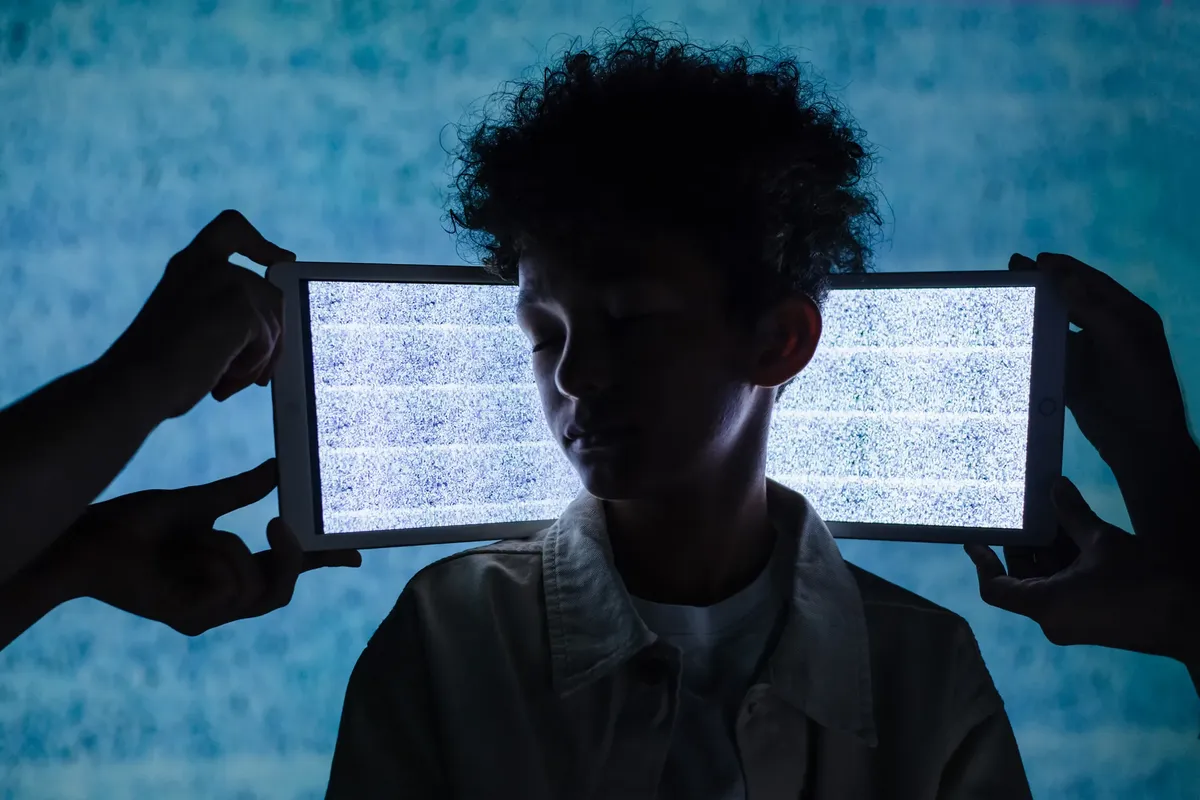
Your screen should be slightly below eye level, roughly 15 to 20 degrees, so you are looking through the top of the lens rather than straight on.
If you are working in a dim room, avoid using a bright screen without some ambient light to balance the contrast. The goal is to minimize the difference between the screen brightness and the light in the rest of the room.
- Set your monitor brightness to match the ambient light level of your room. 2. Use a matte screen protector if you deal with heavy reflections. 3. Ensure your task lighting is directed at your paperwork, not your eyes.
- Adjust the brightness to match the surrounding ambient light.
- Position the screen so you are looking slightly downward.
- Maintain an appropriate distance between your eyes and the monitor.
Can eye exercises actually relieve strain?
I remember sitting at my desk after a ten-hour shift, rubbing my eyes so hard they felt bruised. I realized then that my eyes weren't just tired; they felt stuck in one single position.
As reported by the Zhongshan Ophthalmic Center in 2025, the world's first urban eye-protection digital atlas has been unveiled.
Eye exercises serve to break the "locked" focus of the eye muscles. When you spend all day looking at a fixed distance, the muscles that allow your eyes to change focus become stiff.
You can perform a simple exercise by looking at an object far away, then shifting focus to something close, repeating this several times to regain flexibility.
Another effective method is the "palming" technique: rubbing your hands together to generate warmth and then gently cupping your eyes without applying pressure. This provides a complete break from light stimulation and allows the muscles to relax.
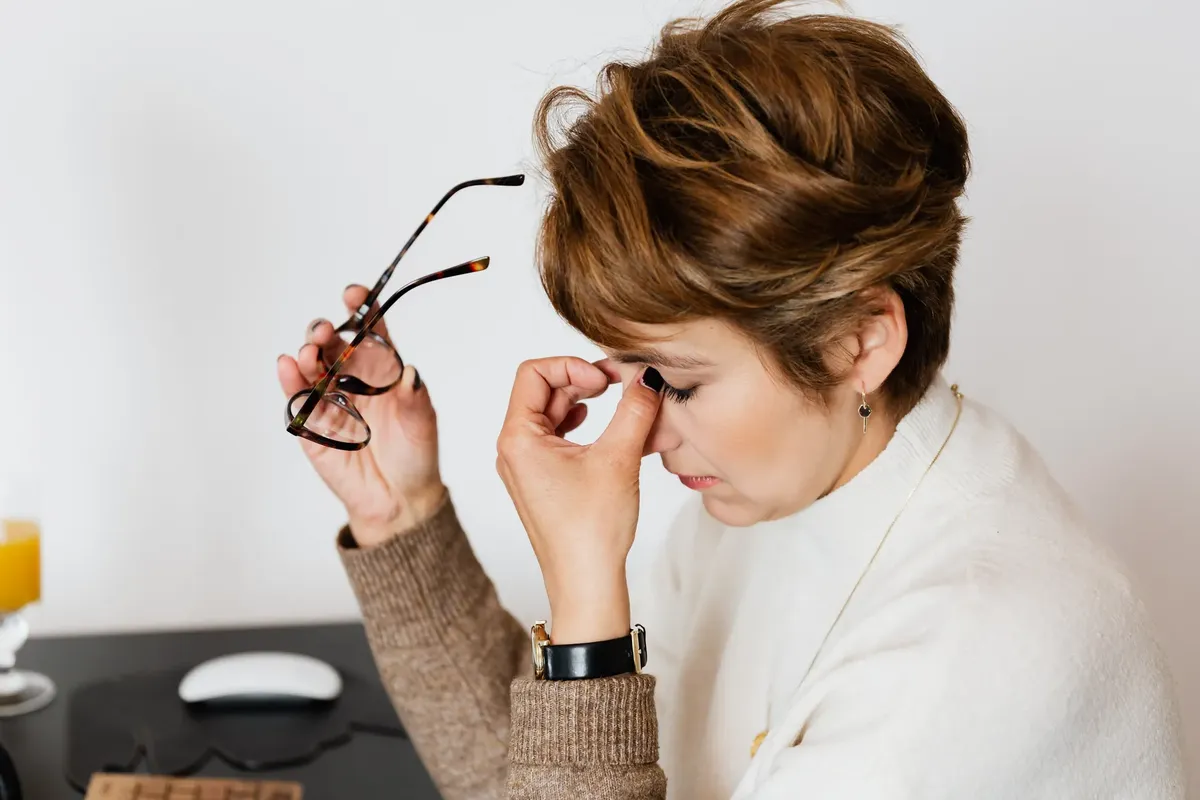
I find that the second step in this routine is the most demanding.
What is the truth about blue light and digital health?
The blue light from a tablet glows brightly in a quiet living room, casting a sharp light on a person's face. While this light is part of the natural spectrum, the concentrated intensity from digital devices is what causes modern eye fatigue.
Digital eye strain detection has become a focus for the Konstantin Vision & Eyewear Center at its eyeglasses store in NYC in 2026.
Digital eye strain is a growing concern because the high-energy visible (HEV) light emitted by screens can penetrate deep into the eye. While the long-term effects of blue light on the retina are still being studied, the immediate effect is the disruption of sleep-wake cycles and localized fatigue.
Using "night mode" settings can help shift the color temperature to a warmer hue, which is easier on the eyes during evening hours.
It is important to note that blue light isn't inherently "evil," but its concentrated use in close proximity is the primary driver of discomfort. Managing the intensity and timing of use is the most effective way to protect your visual health.
Nevertheless, blue light filters may not resolve strain caused by excessive screen time alone.
How do nutrition and diet affect long-term vision?
A plate of leafy greens and oily fish sits on a wooden table, a colorful reminder of the fuel needed for biological health. Just as the body needs fuel to move, the eyes require specific micronutrients to maintain the health of the retina and tear film.
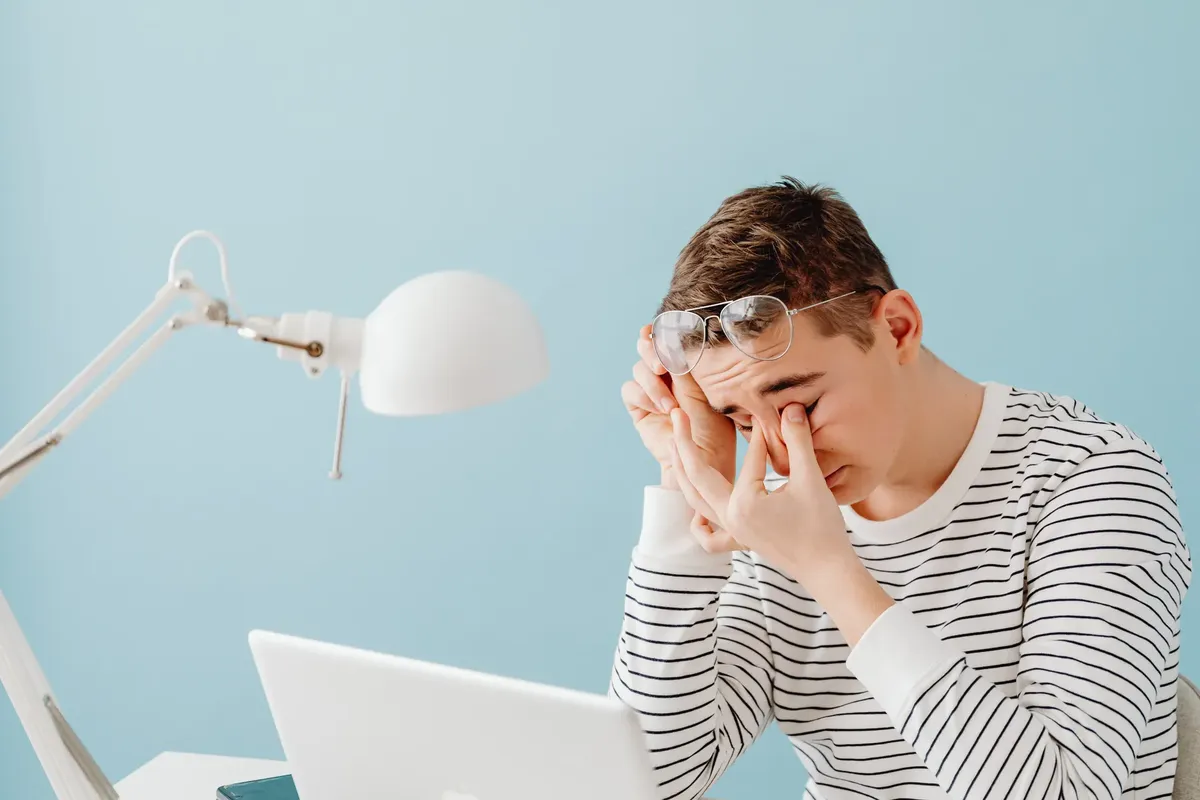
A diet rich in Lutein and Zeaxanthin, found in spinach and kale, helps filter harmful light within the macula. Additionally, Omega-3 fatty acids, commonly found in salmon and walnuts, are essential for maintaining the lipid layer of the tear film, which prevents dry eyes.
| Nutrient | Primary Source | Eye Benefit |
|---|---|---|
| Lutein | Leafy Greens | Retinal protection |
| Omega-3 | Fatty Fish | Tear film stability |
| Vitamin A | Carrots/Sweet Potatoes | Night vision support |
Including these foods in your daily routine provides a biological defense against the oxidative stress caused by light exposure. While supplements can help, a whole-food approach is generally more sustainable for long-term health.
Dietary changes will not provide immediate results and are meant for long-term maintenance.
Why does vision change with age?
A person reaches for their reading glasses on a bedside table, squinting slightly at the fine print of a book. This gradual change is a natural part of aging, but digital habits can accelerate the discomfort associated with it.
As we age, the lens inside the eye becomes less flexible, a process known as presbyopia. This makes it harder to focus on close objects, which is why many people find themselves pushing their phones further away.
Managing digital strain becomes even more critical as we age to prevent further complications like macular degeneration.
Regular eye exams are necessary to distinguish between simple aging and more serious ocular conditions. If you notice sudden changes in vision, do not rely on lifestyle changes alone; seek professional consultation.
* Schedule annual eye exams to monitor changes in prescription. * Use task lighting specifically for reading to assist aging eyes. * Maintain consistent hydration to support tear production.
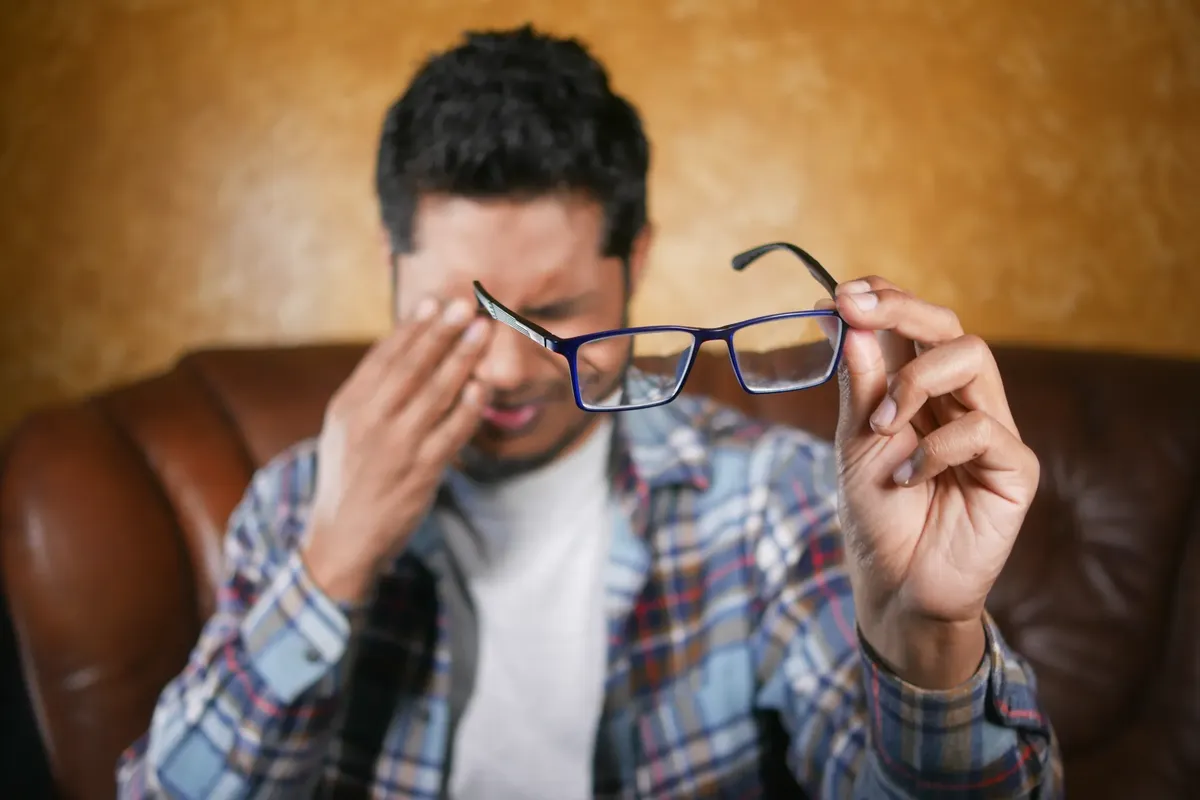
This guide is intended for general wellness and does not replace professional medical advice or diagnosis.
These natural changes are inevitable and cannot be reversed through lifestyle adjustments alone.
When I tried the steps in order, the second one is where I paused longest.
You can reduce eye strain by following the 20-20-20 rule, which involves looking at something 20 feet away for 20 seconds every 20 minutes. Additionally, adjusting your monitor brightness to match your surroundings and ensuring your screen is at the correct angle can significantly lower discomfort.
Related





Comments 0