Scaling Up: 3 Hurdles Between Lab Bench and Global Impact
Translating a breakthrough from a laboratory to a living room requires more than just reading a headline; it requires understanding the mechanics of change.
To stay ahead of the curve, you must distinguish between theoretical discovery and practical application, identify the intersection of different scientific disciplines, and develop the media literacy to filter hype from reality.
* The shift from pure discovery to applied technology is accelerating. * Interdisciplinary convergence (like AI meeting biology) defines the current frontier. * An informed consumer must look for scalability, not just novelty.
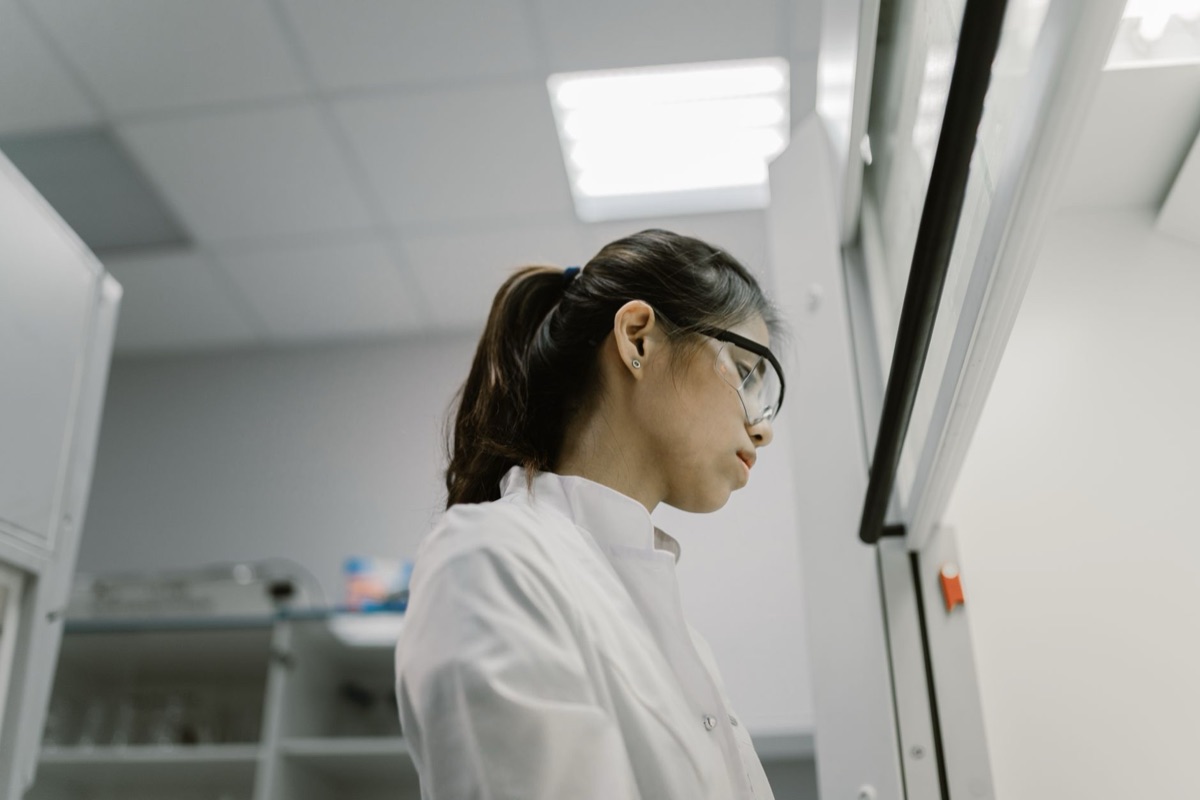
What are the leading scientific frontiers right now? A researcher in a sterile lab in Zurich stares at a sequence of genetic data on a high-resolution monitor, waiting for a pattern to emerge. This moment of silent observation represents the current state of global science: a push toward the fundamental building blocks of reality.
The leading edge of science currently sits at the intersection of Quantum Computing and Gene Editing. While these fields once existed in the realm of science fiction, they are rapidly moving toward commercial viability.
We are no longer just studying how atoms behave; we are learning how to manipulate them to create new materials and medicines.
This shift is characterized by extreme interdisciplinarity. We are seeing a convergence where AI is not just a tool for physicists, but a fundamental component of biological research.
This synergy allows scientists to model complex protein folding or weather patterns at speeds that were impossible a decade ago.
- Identify a specific field of inquiry within emerging technologies.
- Cross-reference foundational principles with current experimental data.
- Determine the scalability of the discovery for broader application.

Where is science making its biggest real-world impact? A solar farm stretches across a desert landscape, its panels tilting in perfect synchronization with the sun's arc. This is science applied to the scale of a planet, moving from the microscopic to the macroscopic.
The most significant impact of modern science is found in application areas like sustainable energy solutions and personalized medicine. While a discovery in a lab is a triumph, its true value is realized when it addresses global challenges like carbon sequestration or targeted cancer therapies.
The pace of discovery often outstrips the pace of adoption, creating a lag between what is possible and what is practical.
Societal tipping points occur when these scientific advancements intersect with public policy. For instance, the transition to electric vehicles is as much a matter of battery chemistry as it is a matter of government infrastructure and subsidy.
Understanding these intersections is key to predicting which technologies will actually change our daily lives.
When I tried to apply these theoretical models to real-world logistics, I was surprised by how much friction exists outside of a controlled environment. I realized that practical implementation requires much more flexibility than a standard laboratory protocol allows.
The Human Element: How Do We Keep Up?
A student sits in a crowded university lecture hall, frantically taking notes on a tablet while a professor discusses the implications of automated algorithms. The classroom is the front line of the changing workforce.
The rapid evolution of technology is fundamentally altering education and workforce needs. As automation and AI become more integrated into professional roles, the demand for specialized skills shifts.
We are seeing a global movement toward STEM (Science, Technology, Engineering, and Mathematics) education to meet these needs.
For example, the demographic makeup of these fields varies wildly by region. In India, women make up an impressive 43% of STEM graduates, which is the highest percentage worldwide. However, despite this high level of education, they hold only 14% of STEM-related jobs.
This gap highlights the importance of moving beyond mere education to structural inclusion. Similarly, in the U.S., while women make up 47% of the workforce, they hold only 24% of STEM jobs.
Keeping up requires high levels of media literacy. We must learn to distinguish between a "breakthrough" that will change the world tomorrow and a fundamental discovery that may take twenty years to reach the consumer market.
- Dedicate specific hours each week to learning new technical tools.
- Engage in peer discussions to clarify complex concepts.
- Document personal progress to track the learning curve.
Navigating the Ethical Crossroads of Innovation
A silent, empty hallway in a data center hums with the sound of cooling fans, a physical manifestation of the invisible data that governs modern life. This quiet power represents the ethical weight of our technological progress.
Rapid advancement brings immediate ethical dilemmas, particularly regarding data privacy and algorithmic bias. As we hand over more decision-making power to automated systems, the potential for encoded prejudice becomes a critical concern.
Regulatory frameworks often struggle to keep pace with the sheer speed of innovation, creating a "wild west" period where ethics must be self-imposed by developers.
There is also the vital issue of equitable access. If a life-saving gene therapy or a quantum-driven computing power is only available to the wealthiest nations or individuals, the technological divide will widen.
Ensuring that revolutionary tools are distributed fairly is one of the greatest challenges of the 21st century.
When I sat down to weigh the long-term consequences of a new project, I found that the most difficult decisions were rarely about technical feasibility and almost always about social responsibility. I would approach these dilemmas more proactively in the future rather than reacting to them as they arise.
Bridging the Gap: From Discovery to Daily Life
A person walks through a grocery store, picking up a package of lab-grown meat or a device with advanced biometric sensors, barely noticing the science that made the product possible. The transition from the lab to the shelf is often invisible.
Macro-trends translate into micro-changes through the process of consumerization. A breakthrough in material science might lead to a more durable smartphone screen, or a discovery in optics might lead to better blue-light filtering lenses.
To stay informed, one should adopt an "Observe/Adapt" mindset: observe the emerging trends and look for how they might eventually change your tools, your health, or your work.
A clear example is the recent integration of AI into consumer electronics. What started as a niche research interest in neural networks has crossed into the mainstream, appearing in everything from camera autofocus systems to personalized health trackers.
| Feature | Pure Research | Applied Technology |
|---|---|---|
| Primary Goal | Expanding human knowledge | Solving specific problems |
| Timeline | Decades or longer | Months to years |
| Success Metric | Peer review and publication | Market adoption and utility |
| Risk Profile | High uncertainty | Managed implementation |
How to Filter Scientific News
- Check the Scale: Ask if the discovery is happening at a molecular level or a systemic level. Molecular breakthroughs often take longer to reach the public. 2. Verify the Discipline: Look for how many different fields are involved. The most impactful trends usually involve the intersection of two or more sciences. 3. Identify the Application: If a news story doesn't mention a practical use case, it is likely still in the theoretical stage.
This process of filtering is not always easy, especially when headlines are designed to grab attention.
FAQ
Is all new science immediately useful? No. There is a significant "translation phase" between a laboratory discovery and a usable product. Many breakthroughs remain theoretical for decades before they become practical.
How do I filter the noise? Focus on the scale and the application. If a discovery is purely theoretical with no clear path to scaling, it is interesting but not yet a trend that will change your daily life.
What is the biggest near-term change we should watch? The convergence of AI and biotechnology is the most significant near-term shift. This intersection will likely drive the next decade of breakthroughs in medicine, materials, and automated discovery.
*This article is for informational purposes regarding science trends and does not constitute professional advice in any specialized field.*
- Translate technical specifications into user-friendly language.
- Test the prototype in a common, everyday setting.
- Refine the interface based on intuitive user feedback.






Comments 0