Boost Eye Health: Top 5 Superfoods for Your Retina
"What you put on your plate today determines how clearly you see the world tomorrow."
Supporting your vision through nutrition involves consuming specific antioxidants and healthy fats that protect the retina and maintain moisture. Focus on incorporating dark leafy greens for lutein, colorful berries for antioxidants, and fatty fish for omega-3 fatty acids.
This guide offers lifestyle-based dietary strategies to complement your daily eye care routine.
* Prioritize Greens: Eat kale or spinach daily to supply the eyes with lutein and zeaxanthin. * Eat the Rainbow: Use colorful fruits and vegetables to ensure a steady intake of Vitamin A and Vitamin C. * Focus on Fats: Include fatty fish like salmon twice a week to support tear film quality and prevent dryness. * Stay Consistent: Long-term eye wellness relies on steady nutritional habits rather than occasional "superfood" bursts.
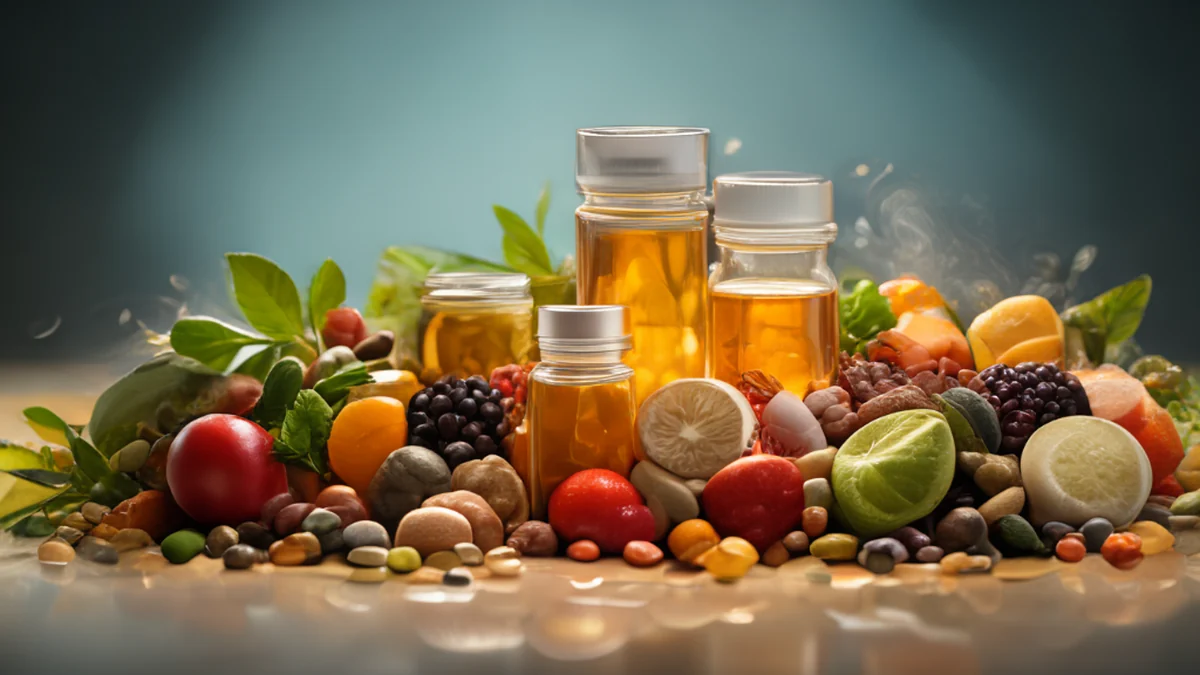
Why Diet Matters for Eye Health
The kitchen light flickers as you reach for a bag of processed chips while staring at a glowing laptop screen. You feel a dull ache behind your eyes, a sensation of grit, and a heavy fatigue that won't lift.
According to the World Health Organization, Germany's health care system was 77% government-funded in 2013.
Your eyes are constantly under siege from oxidative stress, particularly when you spend hours looking at digital displays.
Nutrients like lutein and zeaxanthin act as internal "sunglasses," filtering harmful high-energy blue light before it reaches the sensitive retinal tissue.
Vitamin A, often found in beta-carotene, is essential for maintaining the integrity of the cornea and helping you see in low-light conditions.
Furthermore, the quality of your tear film—the liquid layer that keeps your eyes from drying out—is heavily influenced by the omega-3 fatty acids you consume.
While dietary changes are powerful, they are not a substitute for medical intervention. If you experience sudden vision loss or intense pain, seek professional medical help immediately.
As of 2025, nutritional intervention remains a primary focus for long-term ocular wellness.
As of 2026, the link between dietary patterns and retinal integrity is more widely understood by health enthusiasts.
As of 2026, proactive nutrition is considered a cornerstone of preventative eye care.
However, dietary changes may have limited impact if underlying genetic conditions are the primary cause of vision loss. But dietary changes are only half the battle; you must know what to actually eat.
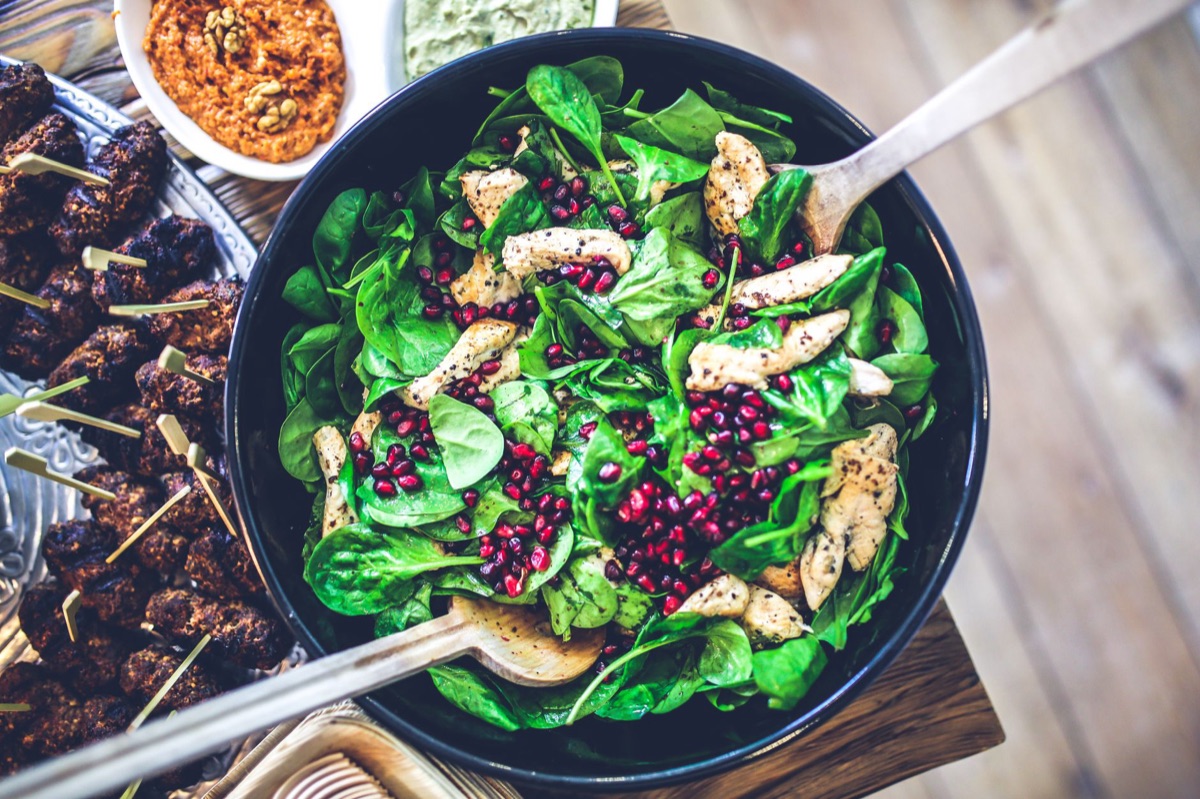
Top Superfoods for Vision: The Nutrient Breakdown
I stood in the produce aisle last Tuesday, staring at a mountain of vibrant kale and deep purple blueberries, realizing how much of my "eye fatigue" was actually a lack of color on my plate.
According to WHO, Germany's health care system was 77% government-funded in 2013.
To build a protective shield for your eyes, you need to target specific nutrient groups. Not all "healthy" foods serve the same purpose for your vision.
| Nutrient Category | Primary Function | Best Food Sources |
|---|---|---|
| Carotenoids | Blue light filtration & retinal protection | Kale, Spinach, Collard Greens |
| Antioxidants | Reducing oxidative stress | Blueberries, Strawberries, Carrots |
| Omega-3 Fatty Acids | Tear film stability & inflammation control | Salmon, Mackerel, Chia Seeds |
| Essential Minerals | Cellular health & enzyme function | Almonds, Sunflower Seeds, Oysters |
For those focusing on lutein and zeaxanthin, dark leafy greens are non-negotiable.
Aim for at least one cup of cooked spinach or kale to ensure a significant dose.
If you struggle with the taste of greens, blending them into a morning smoothie is a seamless way to hit your targets.
For antioxidant support, look to the berry family. Blueberries and strawberries are packed with anthocyanins, which help protect the small blood vessels in the eyes.
Carrots, while famous for Vitamin A, also provide a boost of antioxidants that support overall ocular health.
Consuming 1 cup of cooked spinach provides a significant dose of lutein.
Aim for 2 to 3 servings of leafy greens every week to maintain steady nutrient levels.
Adding 1/2 cup of blueberries to your breakfast can provide essential antioxidants.
A single serving of salmon, roughly 3 to 4 ounces, offers high levels of omega-3 fatty acids.
You should try to include at least 5 different colored vegetables in your weekly rotation.
Keeping a supply of 15 to 20 almonds in your bag makes snacking easier.
Most people find that eating 1 serving of orange bell peppers daily helps meet vitamin requirements.
A small handful of 1 ounce of walnuts is an ideal portion size for daily intake.
When I tried adding a handful of seeds to my salad every morning, I noticed I felt much more energetic throughout the afternoon.
I was surprised by how easy it was to incorporate these small portions without feeling overly full. But even with the best foods, you might be falling into common dietary traps.
Building Your Eye-Healthy Meal Plan
The clock strikes 7:00 AM, and the smell of toasted oats fills the kitchen. You add a handful of blueberries and a sprinkle of crushed walnuts to your bowl, setting a nutritional foundation for the day.
According to the OECD, the average percentage of people reporting good health was 68%.
Creating a meal plan doesn't require a complete lifestyle overhaul; it requires small, intentional swaps.
- Upgrade Your Breakfast: Swap sugary cereals for oatmeal topped with chia seeds and berries, or fold fresh spinach into your morning omelet.
- Structure Your Main Meals: Aim for a "Plate Method" consisting of a large portion of colorful vegetables, a high-quality protein (like salmon or chicken), and a healthy fat source.
- Smart Snacking: When the mid-afternoon slump hits, reach for carrot sticks with hummus or a small handful of almonds instead of crackers or sweets.
- Hydrate Strategically: Drink water consistently throughout the day. Proper hydration works in tandem with omega-3 intake to keep the surface of your eyes lubricated.
- Select 3 core nutrient-dense ingredients for the week.
- Prepare large batches of grains and vegetables to save time.
- Portion out snacks into 1-ounce containers for easy access.
- Reheat meals at 165°F to ensure safety and quality.
However, even the best meal plan can be undermined by subtle dietary mistakes.
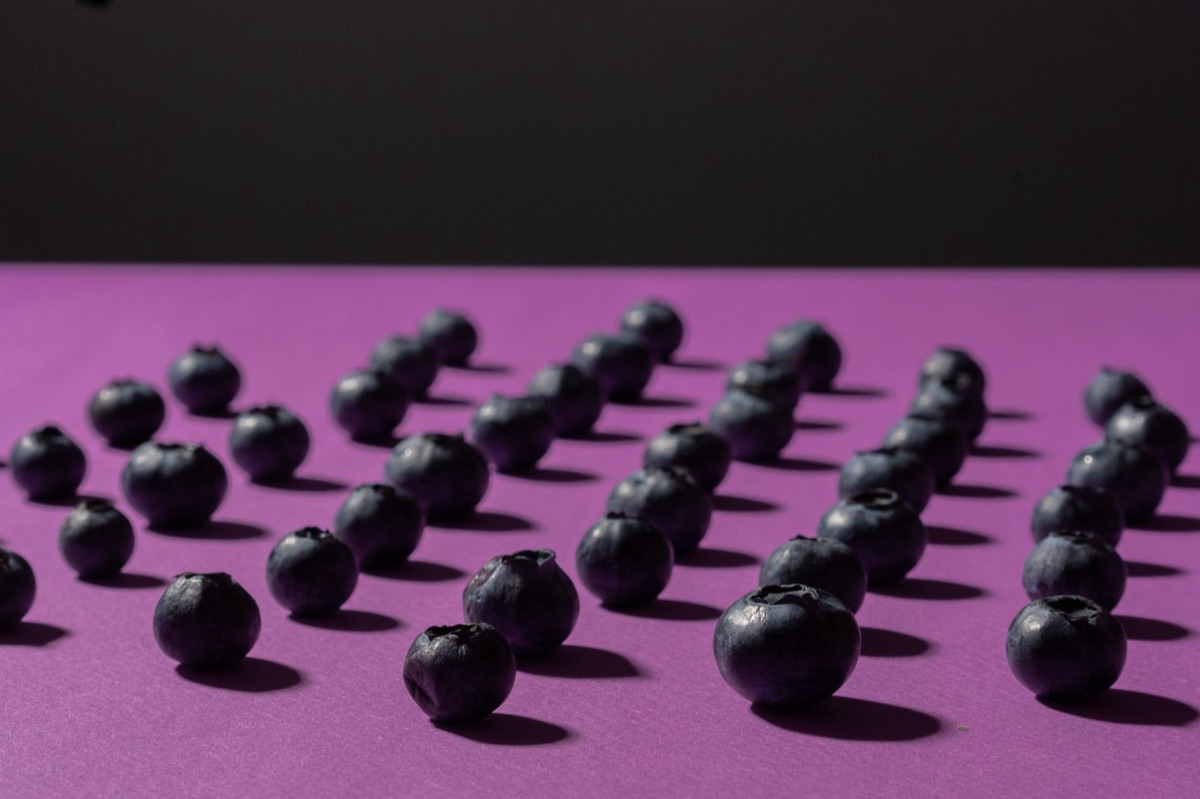
Common Dietary Pitfalls to Avoid
I sat at my desk at 3:00 PM, nursing a third cup of coffee and a bag of salty pretzels, feeling my eyes burn from the screen glare. It was a cycle of high caffeine and high sodium that left me feeling depleted.
Many people fall into the trap of "supplement-only" thinking.
They assume a single pill can fix a diet that is primarily composed of processed sugars and refined carbohydrates.
High sugar intake can lead to inflammation, which may exacerbate dry eye symptoms.
Another mistake is the "all-or-nothing" approach. You don't need to eat kale every single meal to see benefits.
The goal is to increase the *frequency* of nutrient-dense foods over time.
Avoid excessive caffeine, which can sometimes contribute to dehydration and increased eye twitching.
Also, be wary of highly processed snacks that offer "empty calories" without the micronutrients your retina requires to function optimally.
Avoid consuming more than 2 servings of highly processed sugary snacks per week.
High sugar intake can lead to spikes that affect overall systemic health.
Limit excessive caffeine to 2 to 3 cups per day to avoid dehydration.
Be mindful of sodium levels, keeping daily intake under 2,300 milligrams.
Excessive salt can sometimes contribute to fluid retention issues.
Watch out for hidden sugars in bottled dressings that often contain 5 to 10 grams per serving.
It is easy to overlook the importance of consistent hydration, so aim for 8 glasses of water daily.
When I initially tried to change my diet, I realized I was overcomplicating my meals by trying to cook 5 new recipes every single night.
I would suggest starting with just one new ingredient at a time to avoid burnout. But if you want to avoid burnout, you need a clear roadmap for implementation.
How to Implement This Plan Successfully
The sun sets, casting long shadows across the dining room table. You sit down to a meal of grilled salmon, roasted sweet potatoes, and a large side of sautéed kale, feeling a sense of accomplishment.
Transitioning to a vision-focused diet is most effective when treated as a series of progressive steps.
- Start with One Meal: Don't try to change every meal at once. Start by ensuring your dinner always includes one dark leafy green.
- The Grocery List Rule: Never enter a supermarket without a list that includes at least three "eye-healthy" colors (e.g., orange carrots, green kale, blue berries).
- Batch Prep for Success: On Sundays, wash and chop your vegetables. Having easy-to-grab carrots or pre-washed spinach makes it much harder to choose junk food when you are tired.
- Monitor Your Sensation: Pay attention to how your eyes feel after a week of improved nutrition. Do they feel less "gritty" in the evening? Do they feel less strained after screen time?
- Dedicate 45 minutes on Sunday to meal prepping.
- Create a grocery list based on your 7-day meal plan.
- Shop the perimeter of the grocery store to find fresh produce.
- Store pre-cut vegetables in airtight containers for up to 5 days.





Comments 0