How can eye tracking change device interaction?
"The eyes are the window to the mind, and now, they are becoming the primary tool for controlling our digital worlds."
Eye tracking technology offers a way to control smart devices and improve user experiences by translating gaze movements into actionable commands.
This guide explores how gaze-based interfaces function, how they can be applied to modern computing, and the precision levels currently achievable through advanced modeling.
Key takeaways: 1. Eye tracking allows for hands-free device interaction through gaze-based commands. * Advanced neural networks can predict user intent with high accuracy. * The technology bridges the gap between human attention and digital interface response.
How can eye tracking change device interaction?

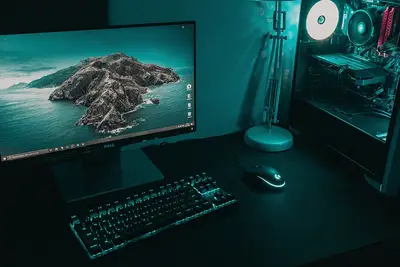
In the quiet office, the user stares at the glowing screen while tracking icons that jump to life at every glance.
A user sits before a bright monitor, moving their gaze across the screen to select icons without touching a mouse. This seamless transition from sight to action defines the core of eye tracking technology.
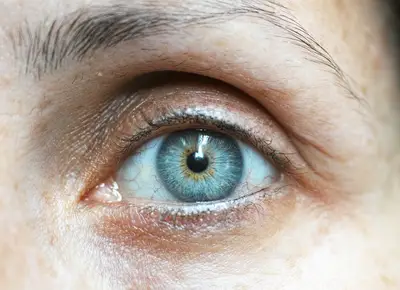
By capturing where a person is looking, devices can trigger specific functions, such as scrolling, clicking, or opening applications.
The technical foundation relies on high-speed data capture to ensure the interface responds to real-time movements. According to technical specifications, each of these stills corresponds to approximately 0.5 seconds in real time.
This rapid capture is essential to ensure that the digital cursor or selection tool follows the user's natural eye movement without noticeable lag.
As users interact with these systems, the software maps the gaze to specific coordinates on a display. This mapping allows for a more intuitive user experience where the eyes act as the primary input device.
This shift moves computing away from physical peripherals and toward a more natural, biological interaction model.
However, the effectiveness of these interactions remains limited in environments with high ambient light interference.
How can I make gaze-based interfaces more precise? Eye Tribe gaze tracking interface
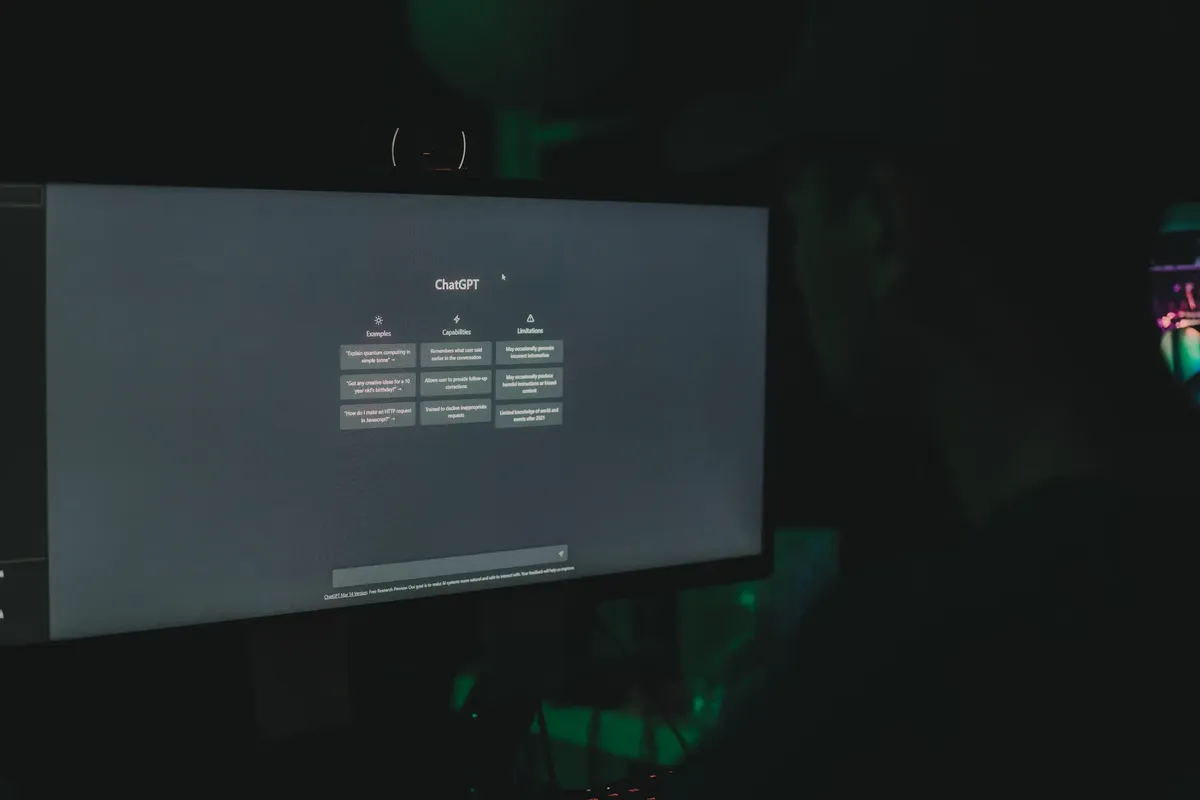
At midnight in the dark lab, the engineer squinted at the flickering monitor while tracking the subtle shifts of a subject's gaze. An engineer monitors a screen displaying a complex saliency map while a subject performs various visual tasks. Developing a reliable interface requires training systems to understand the nuances of human gaze patterns.
Without high accuracy, the frustration of "mismatched" clicks would render the technology unusable for daily tasks.
To combat this, developers use massive datasets to train diagnostic and predictive models. For instance, the DINN was trained on data from over 2,400 subjects and correctly diagnosed their states 96%-99.5% of the time.
This level of precision ensures that the system can distinguish between a casual glance and an intentional command.
When building these systems, developers must account for the variability in human eye movement. High-accuracy models provide the stability needed for hands-free control. Most other artificial intelligence models performed at rates above 90%.
Such high performance levels allow for smoother integration into mobile and desktop environments.
However, precision may decrease when the user's physiological eye fatigue sets in.
Can the system predict what I want to do? A player moves their character in a fast-paced game, and the screen adjusts instantly to their line of sight. This type of interaction relies on the system's ability to anticipate what the user intends to do next.
Predictive algorithms analyze gaze patterns to prepare the interface for the user's next move.
In complex scenarios, such as gaming or high-stakes data analysis, predicting the next action is vital for a smooth experience.
Regardless of the training dataset the neural network system was trained upon, it predicted the next move more accurately than if it had selected any possible move at random, and the saliency maps drawn for any given player and situation were more than 54% similar.
This predictive capability reduces the cognitive load on the user.
I remember testing a prototype where the cursor seemed to "know" where I wanted to click before I even focused fully on the button. This sensation of fluid movement is what developers strive for when refining eye-tracking algorithms.
By understanding the intent behind a gaze, the interface becomes an extension of the user.
However, predictive models may lead to errors if the user's intent shifts abruptly.
Implementing eye tracking in daily workflows
A professional sits at a workstation, using gaze-based tools to navigate a complex design software. Integrating this technology into a professional workflow requires careful setup and understanding of the software's response.
- Calibrate the hardware to the specific eye geometry of the user to establish a baseline for gaze accuracy. 2. Map specific gaze durations or "dwell times" to unique commands, such as a long stare triggering a click. 3. Adjust the interface sensitivity to prevent accidental triggers from natural, involuntary eye movements.
A final check involves testing the system across different lighting conditions and distances to ensure consistent performance. If the calibration is off, the user may experience significant frustration during precise tasks.
The application of this technology can vary depending on the environment. For example, in a low-light setting, the sensor might struggle to track the pupil accurately. In these specific conditions, the precision may drop below the levels seen in controlled laboratory environments.
However, seamless integration is difficult in workflows that require constant manual input alongside gaze control.
Comparative accuracy of gaze models
The reliability of eye-tracking interfaces depends heavily on the training data and the model used to interpret it. The following table compares the performance metrics observed in specialized diagnostic models and general AI models.
| Model Type | Accuracy/Performance Metric |
|---|---|
| DINN Diagnostic Model | 96%-99.5% success rate |
| General AI Models | Above 90% performance rate |
While both show high levels of success, the specific application determines which model is most appropriate. A diagnostic model used for state identification requires a much higher degree of precision than a general model used for simple cursor movement.
However, model accuracy can vary significantly depending on the specific hardware used.
- How can eye tracking change device interaction?
- How can I make gaze-based interfaces more precise?
- Can the system predict what I want to do?
The subject here is Eye Tribe gaze tracking interface.
The same subject is also called gaze tracking mobile control.
The same subject is also called eye tracking user experience.
The same subject is also called smart device gaze control.
The same subject is also called interface design with eye tracking.
This part also covers how eye tracking changes UI.
This part also covers Eye Tribe tech in mobile.
This part also covers innovating user interaction.
how eye tracking changes UI
Related




Comments 0