99% UV Block: Essential Eyewear for Outdoor Eye Safety
"The sun doesn't care if you're wearing a heavy coat or if the sky is overcast; those invisible rays are still finding a way to your eyes."
Protecting your eyes from UV radiation requires more than just picking a dark tint; you need eyewear that specifically filters out harmful wavelengths to prevent permanent damage.
* Prioritize eyewear with 99% or higher UV protection (UVA/UVB) regardless of the weather. * Understand that reflective surfaces like snow can increase UV exposure significantly. * Focus on technical specifications rather than just lens color to ensure real eye safety.
Why UV Protection Matters: The Science of Eye Strain Outdoors
The sun hits the pavement on a Tuesday morning in Chicago, and even if the wind is biting, the UV radiation is present. You might feel the chill on your skin, but your eyes are absorbing radiation that can lead to long-term ocular damage.
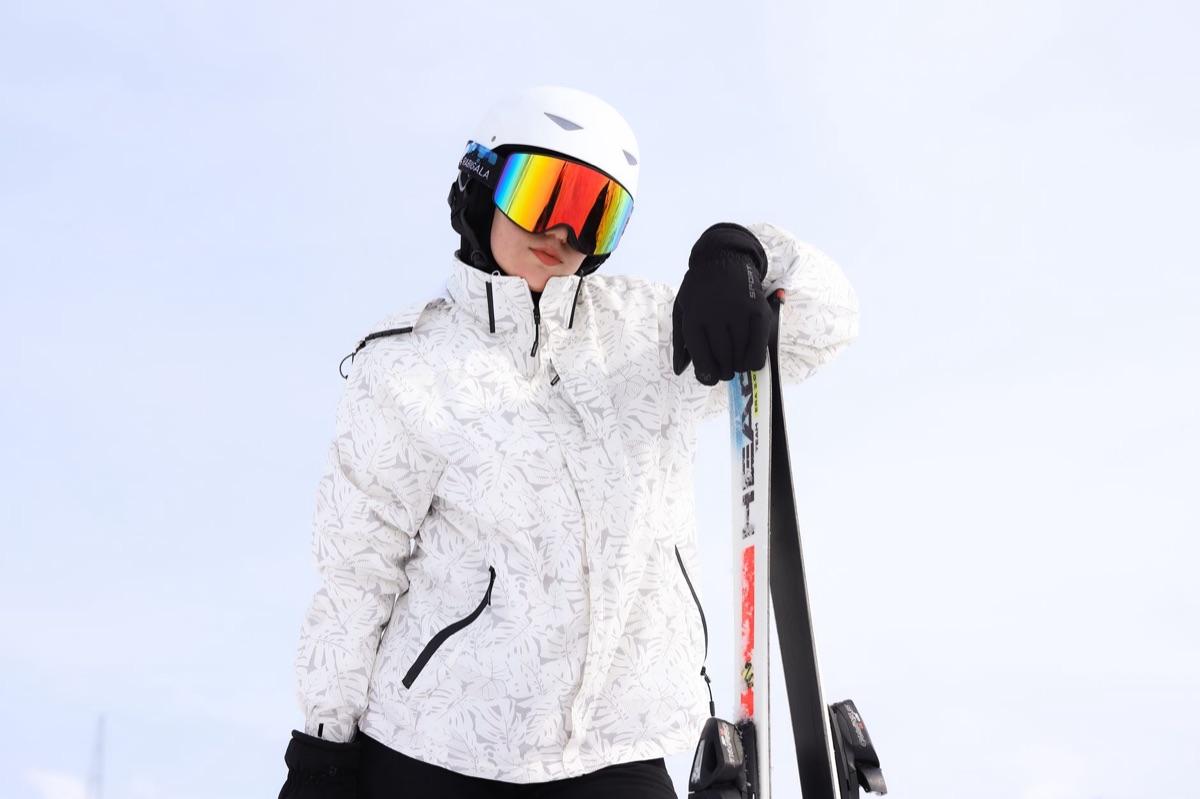
The threat is often invisible because UV radiation penetrates cloud cover with ease. While a sandy beach reflects about 15% of UV radiation, fresh snow is a much more intense hazard, reflecting approximately 80% of UV radiation.
Sea foam offers a different level of reflection at about 25%, proving that the surface you stand on dictates how much radiation hits your eyes.
This constant exposure can lead to photokeratitis, an eye injury that can be prevented by using sunglasses that transmit only 5–10% of visible light while absorbing almost all UV rays.
If you suffer an injury from sudden exposure, healing is usually rapid, typically occurring within 24 to 72 hours if the source of the injury is removed.
However, understanding the risk is only the first step; knowing how to pick the right hardware is where most people stumble.
Choosing the Right Eyewear: Beyond Just Tint Color
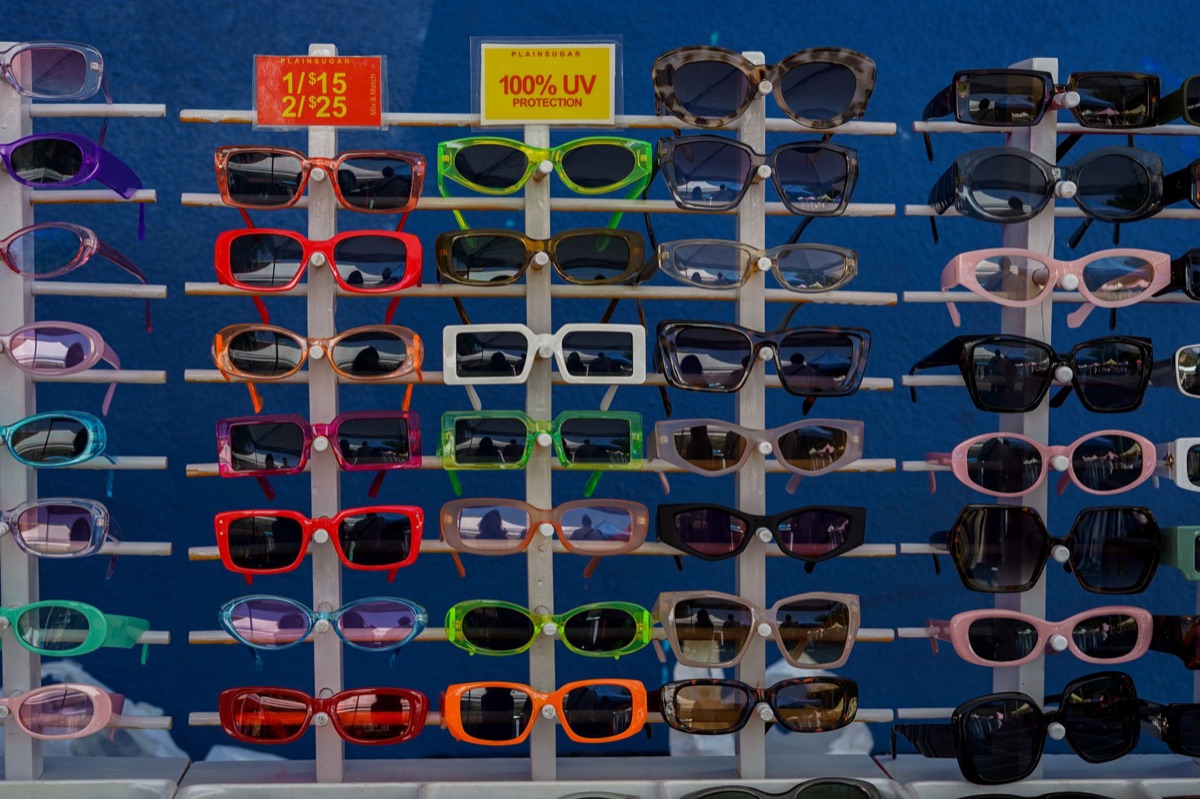
Walking into a boutique in Manhattan on a sunny afternoon in 2025, you might see thousands of stylish frames, but style does not equal safety.
In 1937, it was estimated that 20 million sunglasses were sold in the United States, yet only about 25% of those wearers actually needed them for eye protection.
To ensure you are in the protected group, look for the gold standard: sunglasses that reflect or filter out 99% or more of UVA and UVB light, with wavelengths up to 400 nm.
A dark lens that lacks UV filtration can actually be more dangerous because your pupils dilate in the dark, allowing more UV radiation to reach the sensitive internal structures of your eye.
Technical specifications are your best defense. You should look for lenses where UVB transmittance is no more than 1% and UVA transmittance is no more than 0.3 times the visual light transmittance.
While some manufacturers design glasses to block blue light, be cautious with heavy-duty filters; certain 100% blockage filters can negatively affect color vision, which is a critical safety factor when driving or navigating traffic.
| Feature | What to Look For | Why It Matters |
|---|---|---|
| UV Rating | 99% to 100% (UVA/UVB) | Prevents cataracts and retinal damage |
| Wavelength Range | Up to 400 nm | Covers the full spectrum of harmful rays |
| Lens Material | Impact-resistant polycarbonate | Protects against physical debris/accidents |
| Tint Function | UV absorption (not just darkness) | Prevents pupil dilation issues |
When I tried testing different frames during a hiking trip in 2025, I realized that a lens that looks perfectly dark to the eye might still be letting in dangerous levels of radiation.
But knowing the technical specs is only half the battle; you also have to manage how you move through the world.
Beyond the Lens: Holistic Eye Care for Outdoor Activity
You step off a hiking trail in the Rockies in late 2025, your eyes feeling gritty and tired from the wind and light. You realize that eye protection isn't just about the glasses on your face, but how you manage your environment.
Maintaining eye health during outdoor activities requires managing eye dryness and strain. When you are outdoors, wind and low humidity can strip the moisture from your eyes. Using wraps or glasses that fit closely to the face can prevent wind-induced dryness.
Regular breaks are essential. If you are engaging in an outdoor hobby like photography or birdwatching, take moments to look at distant objects to relax your eye muscles.
Combining physical eye protection with proper hydration and regular eye exercises helps maintain the natural tear film that protects your cornea.
However, there is a catch: technical gear only works if you know how to verify it before you leave home.
Myths vs. Facts: Common Mistakes to Avoid Outdoors
A traveler sits on a plane in 2026, looking out at a gray, overcast sky, thinking they can leave their sunglasses in their carry-on. This is one of the most common mistakes made regarding eye health.
The "Cloudy Day" fallacy is a dangerous myth. Just because you cannot see the sun does not mean the UV radiation is not reaching your eyes. UV rays can penetrate clouds just as easily as they penetrate clear skies.
Another mistake is relying on "fashion" sunglasses that lack technical coatings. If you suffer an eye injury from unprotected exposure, the recovery period typically lasts 24 to 72 hours. Relying on cheap, unrated lenses is a gamble with your long-term vision.
Real protection requires technical compliance, not just a trendy frame.
How to Select the Right Sunglasses: A Step-by-Step Guide
- Verify the UV Rating: Check the label to ensure the glasses provide 와 99% to 100% UV protection.
- Check the Wavelength: Ensure the lenses are rated to block wavelengths up to 400 nm.
- Inspect the Fit: Choose frames that sit close to your face to prevent light from entering through the top or sides.
- Test the Tint: Ensure the color of the lens does not distort your ability to see colors clearly (essential for driving).
- Evaluate Material: Opt for impact-resistant lenses if you participate in high-movement activities like cycling or hiking.
It is important to note that technical eyewear is not a substitute for medical advice. If you experience sudden vision changes or eye pain, consult an eye care professional immediately.
Furthermore, certain high-contrast lenses designed for specific activities may not be suitable for night driving or low-light environments.
Summary of Eye Protection Strategies
| Scenario | Primary Risk | Recommended Action |
|---|---|---|
| Winter Sports | 80% UV reflection from snow | Wraparound, high-coverage eyewear |
| Beach/Waterfront | 15-25% UV reflection | Polarized lenses with 99%+ UV block |
| Overcast Days | Invisible UV penetration | UV-rated glasses (even if dark tint isn't needed) |
| Driving | Glare and eye strain | Polarized lenses with UV protection |





Comments 0