40 centimeters Eyeglass guide for vision change how
"The eyes must navigate a spectrum of distances, from the far horizon to the objects held in one's own hands."
This guide provides an eyeglass guide for vision change by addressing focus distances, professional certification, and prescription reading.
How do different focal distances affect vision?
At my desk, I lean forward to pull the paper closer to my face, feeling the blur shift as the text moves only a few centimeters away.
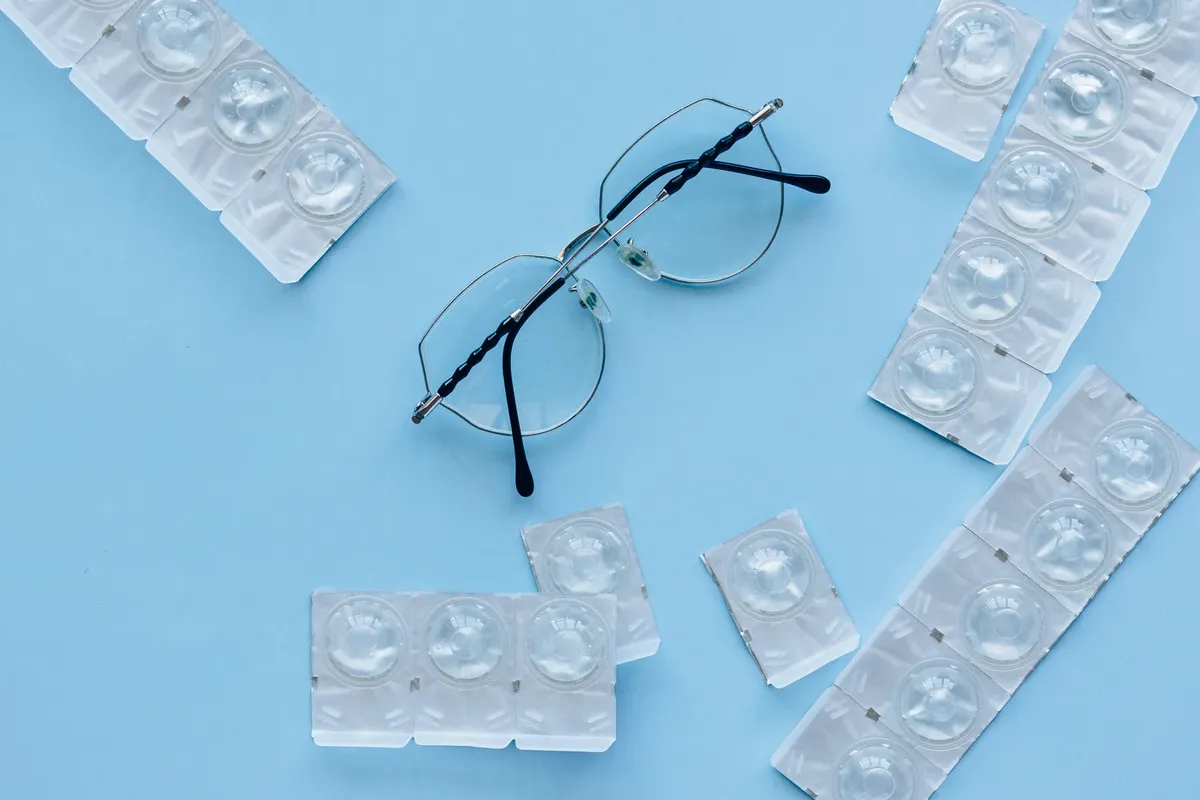
The eyes can be focused at infinity, which refers to distance, or they can be focused near at approximately 16 inches or 40 centimeters.
There is also an intermediate range, which represents a working distance in between near and distance.
Understanding these zones is essential when choosing glasses for vision change because different lenses address different needs. For example, distance vision covers far-off objects, while near vision handles reading tasks.
Intermediate vision covers the space in between, such as looking at a computer screen. Selecting the right lens type depends entirely on which of these three focal points is the priority for the user at a given moment.
Who can help me with my new prescription? Eyeglass guide for vision change A professional carefully adjusts a pair of frames to fit a client's face. In the United States, an optician, through testing, may be certified by the American Board of Opticianry (ABO) to fill the prescription ordered by an ophthalmologist or optometrist.
This professional expertise ensures that the optical requirements meet the specific needs of the patient.
When you are learning how to use new eyeglasses, working with a certified professional is vital for accuracy. An optician ensures that the lenses correctly translate the doctor's orders into physical eyewear.

This process helps prevent discomfort and ensures that the corrective power is applied correctly to the user's eyes.
How can you read a prescription safely?
A patient examines a printed document from their doctor's office. While reading medical notes, one must be careful with symbols to avoid errors. The degree symbol (°), which is sometimes used as an abbreviation for hours, should not be used because it can be confused with a "0" (zero).
When you are protecting your vision with glasses, verifying the accuracy of your written prescription is a necessary step. Because symbols like the degree sign can lead to mistakes, always double-check that numbers have not been misread.
This attention to detail prevents the accidental ordering of incorrect lens strengths.
How do I adjust to my new lenses? A user puts on a new pair of glasses and looks around the room. Adapting to a new vision profile requires patience and specific steps to ensure the eyes adjust to the new focal planes.
- Identify the primary focus area, such as distance or near, to understand how the lens behaves. 2. Work with a professional to ensure the frame fit is stable and does not shift the optical center. 3. Check the clarity of the vision at different distances, including the intermediate range.
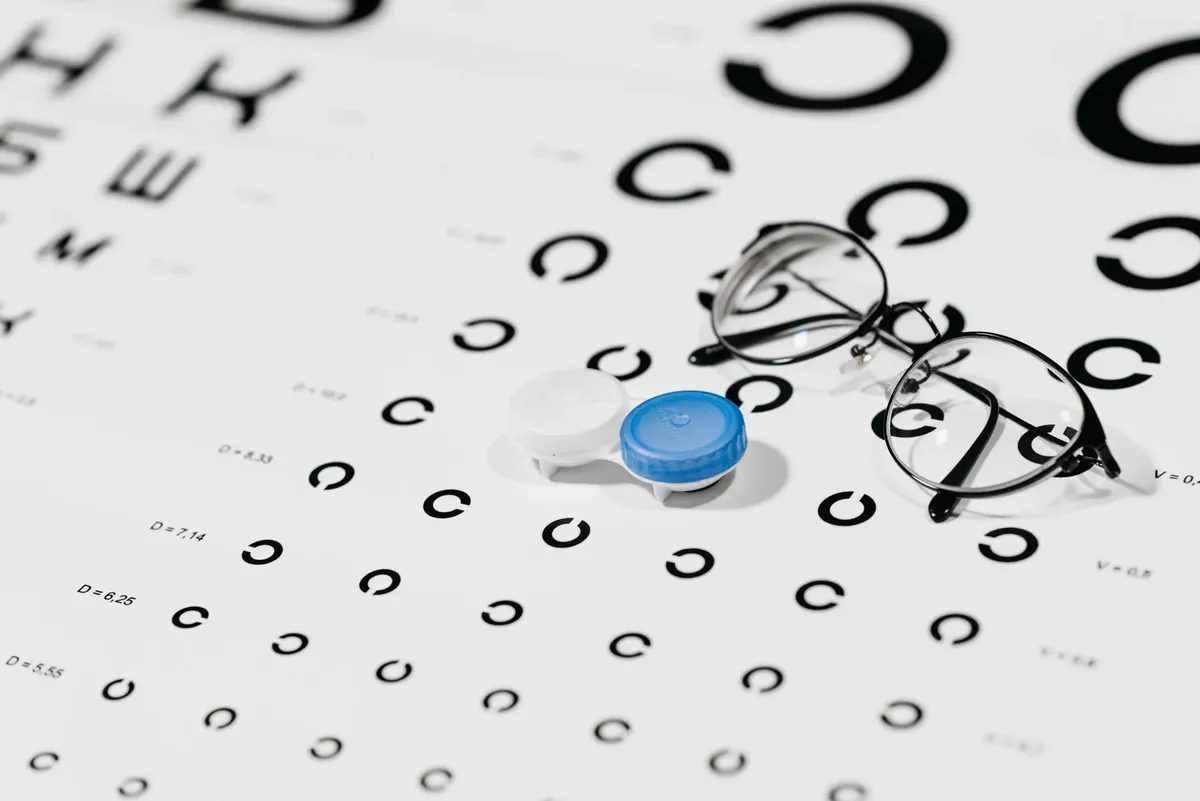
I remember checking the clarity of the intermediate range when I first adjusted my own frames to ensure the desk work was comfortable. This process of moving between distance and near focus helps the brain adapt to the new corrective power.
What if the prescription is difficult to interpret?
A person holds a magnifying glass over a medical paper. If a prescription seems unclear or uses confusing notation, it is important to seek clarification.
In the UK, according to the National Health Service, prescriptions are either free or have a fixed price per item, allowing a prescription to be issued so the patient does not have to purchase the item at commercial price.
A limitation of self-interpreting prescriptions is that technical symbols can lead to errors if the user is not careful. For instance, a degree symbol could be mistaken for a zero, leading to incorrect lens measurements.
| Focus Type | Distance/Range |
|---|---|
| Near | Approximately 16 inches |
| Intermediate | Between near and distance |
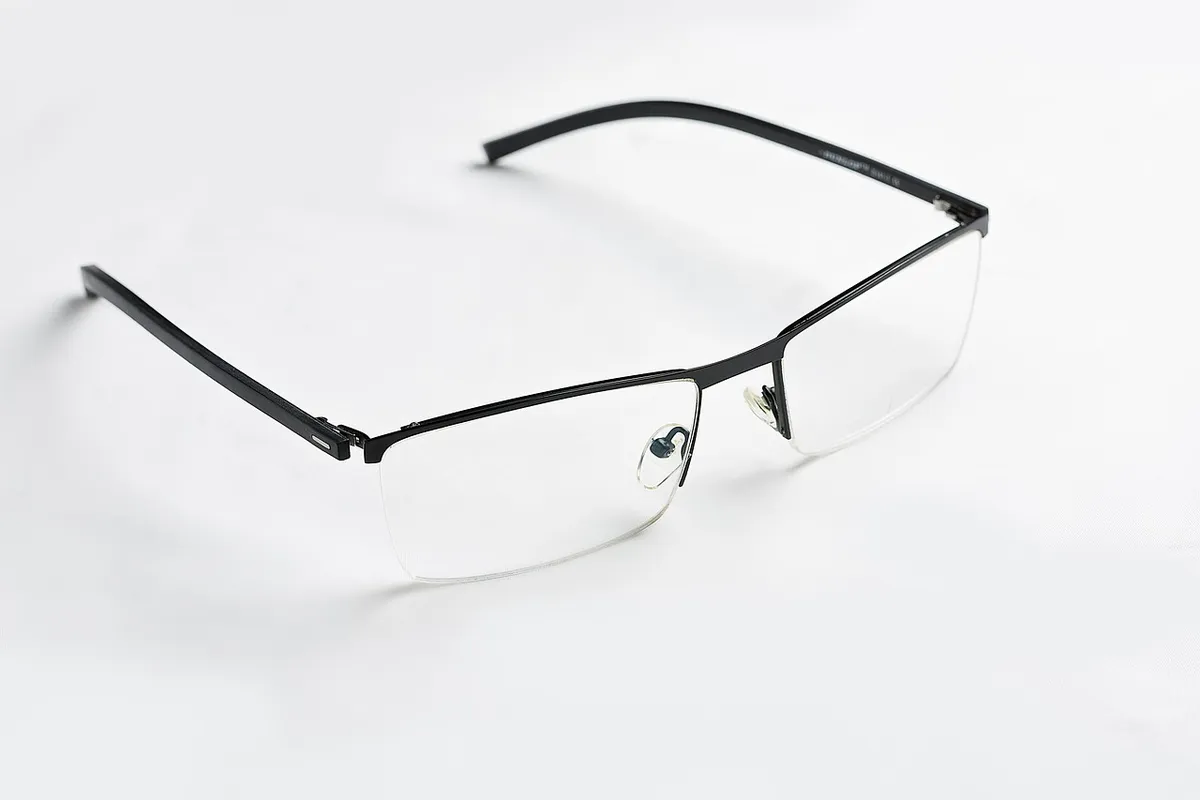
- Managing changes in sight requires understanding how the eyes interact with different focal planes to maintain clarity.
- Key takeaways include understanding distance, near, and intermediate focal points, recognizing the role of certified professionals, and avoiding common transcription errors in medical documents.
- A person looks out a window at a distant mountain range while sitting at a desk.
The subject here is Eyeglass guide for vision change.
The same subject is also called Proper eyeglass care tips.
This part also covers Best lens types for presbyopia.
This part also covers Daily eyeglass cleaning routine.
This part also covers Storing glasses safely at home.
Best lens types for presbyopia
Related
- Eyeglass and lens care tips: How to clean glasses properly
- Reduce eye strain while studying: How to use 20-20-20 rule
How does lens selection relate to eye function? 1. Distance vision lenses are designed to correct aberrations impacting far-off objects. 2. Near vision lenses specifically address the focusing requirements for tasks performed close to the face. 3. Intermediate vision lenses facilitate comfortable viewing of objects situated at a working separation between the two extremes. The eyes rely on these distinct lens capabilities to maintain sharp focus across varying visual demands.
When should one seek professional consultation regarding vision changes? Consultation with a certified professional is necessary when the required optical correction seems ambiguous or when the patient experiences discomfort while wearing new lenses. A professional can confirm if the lens strength accurately reflects the doctor's orders, which is crucial for the eyes' comfort. This expert review helps ensure the corrective power aligns with the patient's specific visual needs.
The eyes require proper calibration to transition smoothly between the various focal planes presented by different lens types. A mismatch between the lens function and the intended viewing distance can cause strain.
When interpreting a prescription, the caution about confusing symbols must be heeded, as these small transcription errors can drastically alter the intended visual correction for the eyes.
What conditions necessitate a change in eyeglass prescription? 1. A change in the required focal plane suggests that the existing lenses no longer adequately serve the eyes' visual needs. 2. Discomfort while wearing current eyewear might indicate a misalignment between the lens function and the patient's actual visual requirements. 3. If the initial prescription was difficult to interpret, a re-evaluation by a certified professional becomes necessary to ensure the eyes receive the correct correction.
How does the brain adapt to new visual input? The brain must adjust to the different focal planes presented by various lens types. This adaptation process is aided by the gradual introduction of new corrective power. The eyes gradually learn to process the information delivered through the updated optical system.
When adjusting to new lenses, the process of moving between distance and near focus helps the brain adapt to the new corrective power. This adaptation is a necessary step for maintaining visual comfort and clarity across all required viewing scenarios.






Comments 0