Reduce eye strain while studying: How to use 20-20-20 rule
"The 20-20-20 rule helps prevent digital eye strain: every 20 minutes, take a 20-second break to look at something at least 20 feet away."
This guide provides actionable steps to manage fatigue during long study sessions.
How can the 20-20-20 rule help reduce eye strain while studying?
A child sits at a wooden desk, staring intently at a bright textbook under a desk lamp. The eyes rub against the eyelids as the clock ticks forward through a long afternoon of homework.
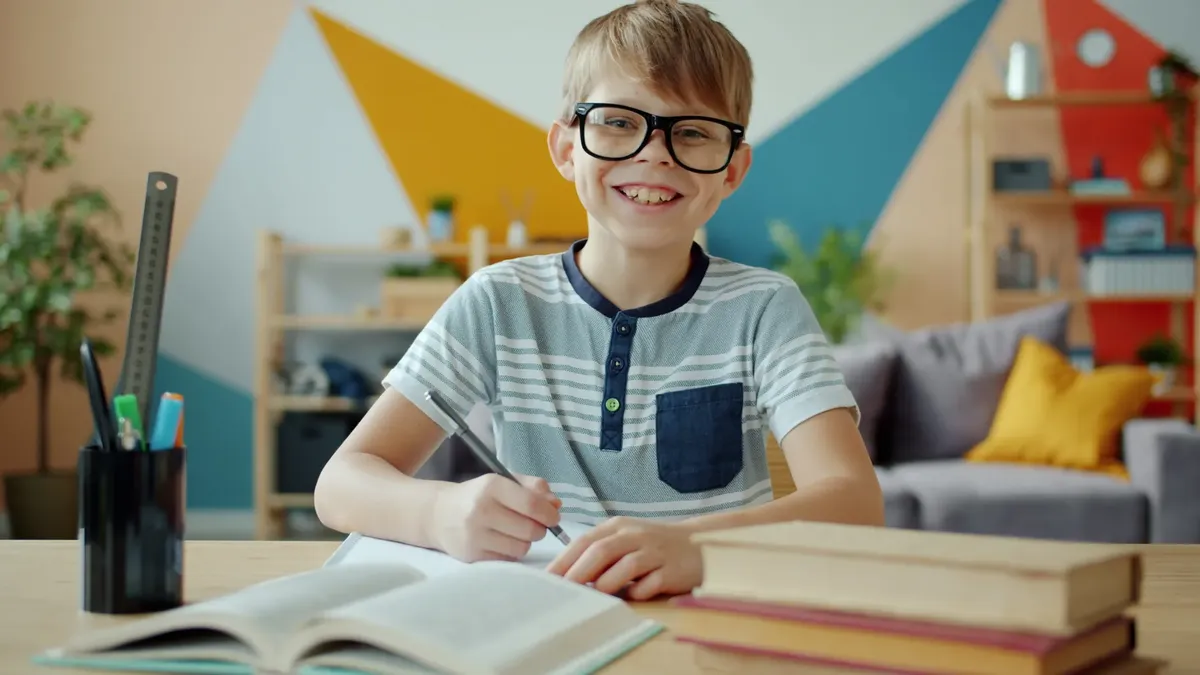
According to Top 10 Expert Tips for Healthier Vision in 2025, every 20 minutes, you should take a 20-second break to look at something at least 20 feet away.
This simple shift in focus allows the eye muscles to relax after being locked on a single point for an extended period.
Implementing this routine can be done through these three steps:
- Set a timer for 20-minute intervals to signal the start of a break. 2. Look away from the book or screen toward a distant object at least 20 feet away. 3. Hold this distant gaze for a full 20 seconds to allow the eye muscles to reset.
After the timer goes off, the child can return to their desk to continue their work.
Why is quality sleep necessary for better focus study tips?
In the dark bedroom, I close my eyes to reduce the heavy throbbing behind my brow as I drift into sleep.
The sun rises through the window, but a child remains slumped over a notebook, eyes heavy and red. The effort to stay awake makes the text on the page appear blurry and difficult to process.
Quality sleep is essential because it allows the eyes to recover from the daily demands of intensive learning. Aiming for 7-8 hours of quality sleep each night helps your eyes recover from the demands of the day, according to Top 10 Expert Tips for Healthier Vision in 2025.
Without this rest, the eyes may struggle with clarity and focus during study sessions.
I once noticed that a late-night study session always led to much higher levels of eye fatigue the following morning.
A consistent sleep schedule can be maintained by:
- Establishing a regular bedtime to ensure a full 7-8 hours of rest. 2. Reducing screen time right before bed to improve sleep quality. 3. Keeping the bedroom dark to support natural sleep cycles.
Checking the sleep duration ensures the eyes are refreshed for the next day's tasks.
How does sun protection relate to less eye fatigue learning?
A child grabs a pair of sunglasses before heading out for a break in the bright afternoon sun. The light reflects off the pavement, creating a glare that makes squinting almost unavoidable.
Protecting the eyes from UV rays is a critical part of long-term eye health. When shopping for sunglasses, choose a pair that can block 100% of UV rays or both UV-A and UV-B rays, according to Tips for Eye Health and Maintaining Good Eyesight.
Using proper eye protection prevents the constant squinting that contributes to fatigue during outdoor activities.
Effective eye protection involves these steps:
- Select sunglasses that offer UV400 protection or block 100% of UV rays. 2. Consider wraparound lenses to help protect the eyes from the side. 3. Wear these glasses even on cloudy days to maintain consistent protection.
Maintaining this habit keeps the eyes comfortable when moving between indoor and outdoor environments.
What are the differences in eye care approaches?
A parent compares different health strategies while sitting at the kitchen table with a cup of tea. They look over the various tips to see which one best fits the family schedule.
| Strategy | Primary Benefit |
|---|---|
| 20-20-20 Rule | Prevents digital eye strain |
| 7-8 Hours Sleep | Allows eyes to recover |
One method focuses on immediate relief during tasks, while the other focuses on long-term recovery.
Is there a limitation to these eye health tips?
A student tries to follow every rule while sitting in a crowded, brightly lit library. The environment makes it difficult to find a distant object to look at during breaks.
A limitation to these methods is that they may not replace professional medical advice if a child has an existing eye condition. Unless a doctor advises otherwise, you may also incorporate regular physical activity, such as 150 minutes of exercise per week, to support overall health.
- To reduce eye strain while studying, children should implement regular visual breaks, ensure adequate recovery through sleep, and protect their eyes from environmental factors.
- Key takeaways include using the 20-20-20 rule, aiming for 7-8 hours of sleep, and utilizing proper eye protection.
- The 20-20-20 rule helps prevent digital eye strain by breaking the cycle of constant near-focus.
The subject here is Reduce eye strain while studying.
The same subject is also called Tips for kids eye health.
The same subject is also called Improve focus study tips.
The same subject is also called Better study environment kids.
This part also covers Best lighting for kids study.
This part also covers Screen time rules for kids.
Best lighting for kids study
Related
- Vision guide: Sun protection for eyes outdoors best tips
- Eyeglasses and eye health tips: Manage digital strain
When should breaks be taken during study time? The 20-20-20 rule helps prevent digital eye strain by suggesting breaks occur at specific intervals. A child should initiate the break after a twenty-minute period of focused work. This timing ensures the eye muscles receive necessary rest before strain accumulates significantly.
This structured approach allows the student to maintain concentration while mitigating the effects of prolonged near-focus. The break itself requires looking at something distant for a set duration. Following this simple procedure supports sustained visual comfort throughout the study session.
How does environmental control support eye health? Controlling the surrounding environment assists the eye care strategies. Bright lighting can exacerbate eye fatigue, making the application of the 20-20-20 rule more challenging. Conversely, ensuring a dark bedroom supports the necessary sleep recovery. Proper environmental management complements the active steps taken for eye health.
When exercising the 20-20-20 rule, the location of the distant object matters for the break to be effective. The object must be situated at a distance of at least twenty feet away from the student.
This distance requirement is crucial for allowing the eye muscles to fully relax from their near-focus lock.


Comments 0