Home lighting for eye strain: Why layered light helps
"Lighting applications represents 19% of the world's energy use and 6% of all greenhouse emissions."
Managing home lighting for eye strain requires balancing brightness and glare to prevent ocular fatigue. This guide provides practical ways to adjust illumination for different tasks and environments.
Key takeaways include managing light distribution, reducing glare on screens, and understanding energy-related lighting impacts.
How to manage home lighting for eye strain?
A person sits at a wooden desk, adjusting a desk lamp to find the right focus. To manage home lighting for eye strain, you must create a layered lighting environment that prevents harsh shadows and direct glare.
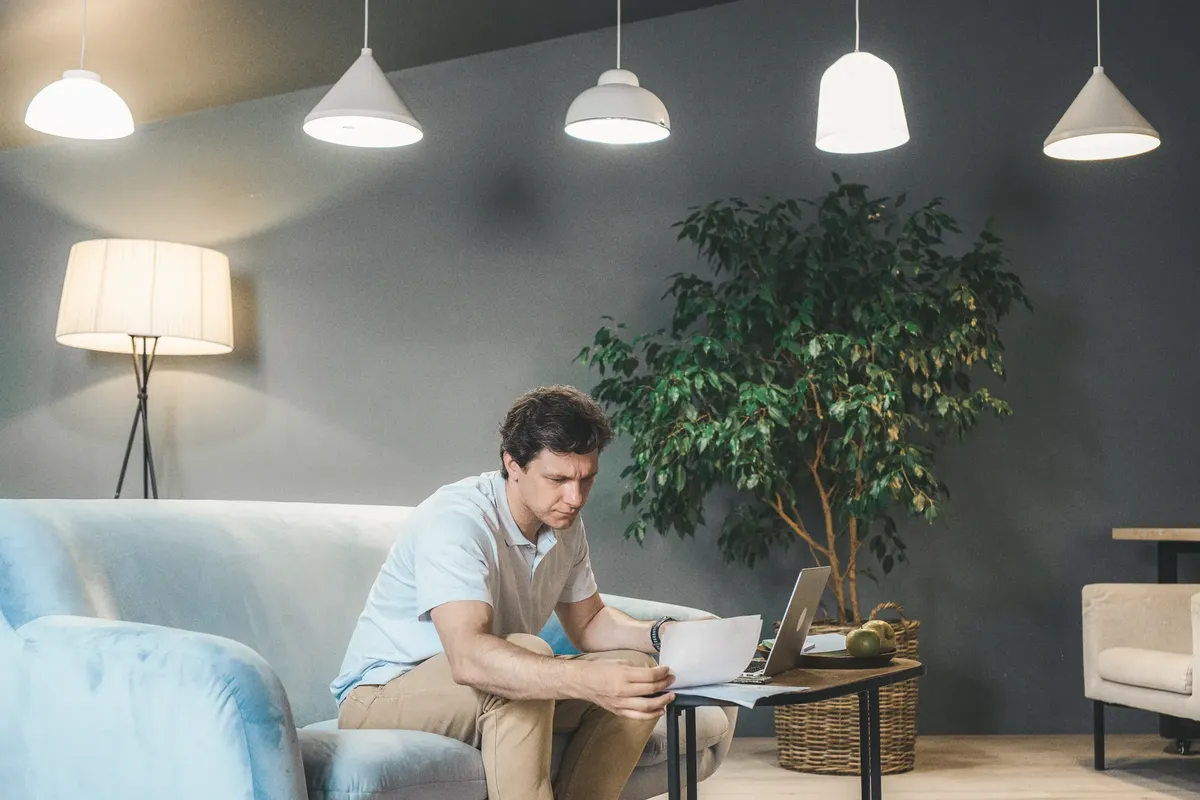
Effective setups focus on ambient light to reduce the contrast between a bright screen and a dark room. A single, overwhelming light source often causes more fatigue than multiple soft sources.
Balancing these levels ensures the eyes do not struggle to adjust constantly between different brightness levels.
The goal is to minimize the visual workload on the eyes. This involves choosing bulbs with high color rendering and soft diffusion. By controlling light distribution, you can prevent the common pitfalls of ocular fatigue.
How do I set up the best indoor lighting? I reach for the dimmer switch in the quiet living room to bathe my home in a warm, golden glow.
A hand reaches out to dim a wall switch in a living room. Creating the best indoor lighting setup involves using multiple light sources rather than one central overhead fixture.
Layering light provides depth and allows for task-specific adjustments. Use ambient lighting for general visibility and task lighting for specific activities like reading or working. This prevents the eyes from being constantly hit by high-intensity light in an otherwise dark space.
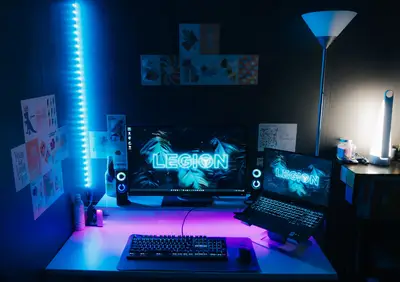
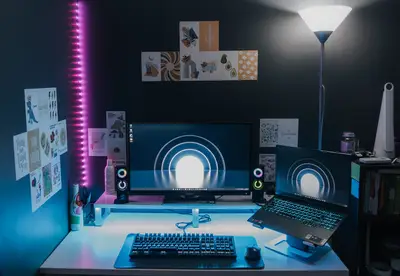
The contrast between a bright monitor and a dark wall can be taxing. Using indirect lighting, where light bounces off walls or ceilings, can soften the environment. This technique helps in maintaining a stable visual field throughout the day.
How can I control glare to reduce eye fatigue? A worker tilts a monitor slightly to avoid a reflection from a nearby window. To focus on reducing eye fatigue lighting, one must address the issue of specular reflection.
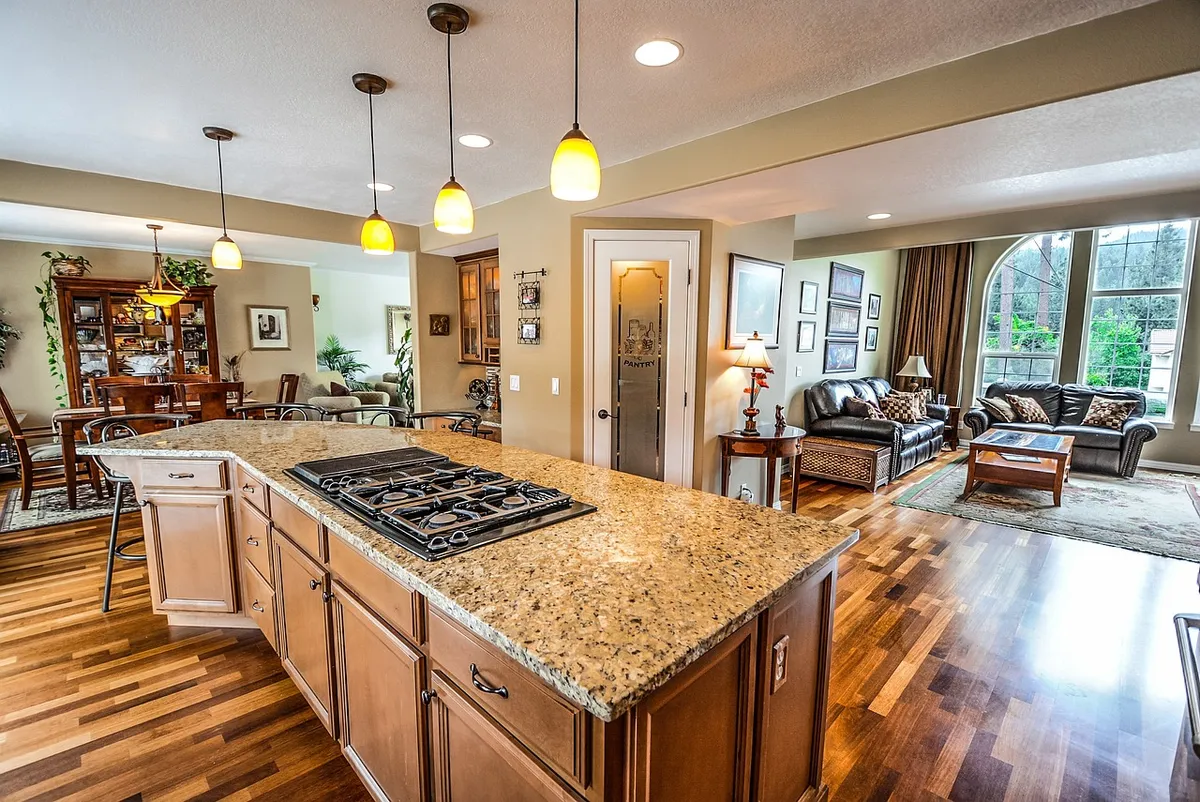
Glare occurs when light hits a surface and reflects directly into the eyes. This can be mitigated by repositioning lamps or using matte finishes on work surfaces. If a window is the source, blinds or sheer curtains can diffuse the light effectively.
Avoid placing a light source directly behind you, as it may reflect off your screen. Instead, place task lamps to the side of the work area. This helps in maintaining a clear view without constant squinting.
Optimal home light levels for different tasks
A student leans over a textbook under a focused lamp. Achieving optimal home light levels requires understanding that different activities demand different brightness.
Reading requires higher intensity light compared to watching television. For tasks involving fine detail, a dedicated task lamp provides the necessary illumination without overbrightening the entire room. This targeted approach keeps the eyes from working harder than necessary.
| Task Type | Lighting Strategy |
|---|---|
| Reading/Writing | Focused task lighting |
| General Relaxation | Soft ambient lighting |
I found that adjusting the lamp position first made the biggest difference in my workspace. Maintaining these levels prevents the sudden shifts in pupil size that lead to fatigue.
Adjusting brightness for reading and digital work
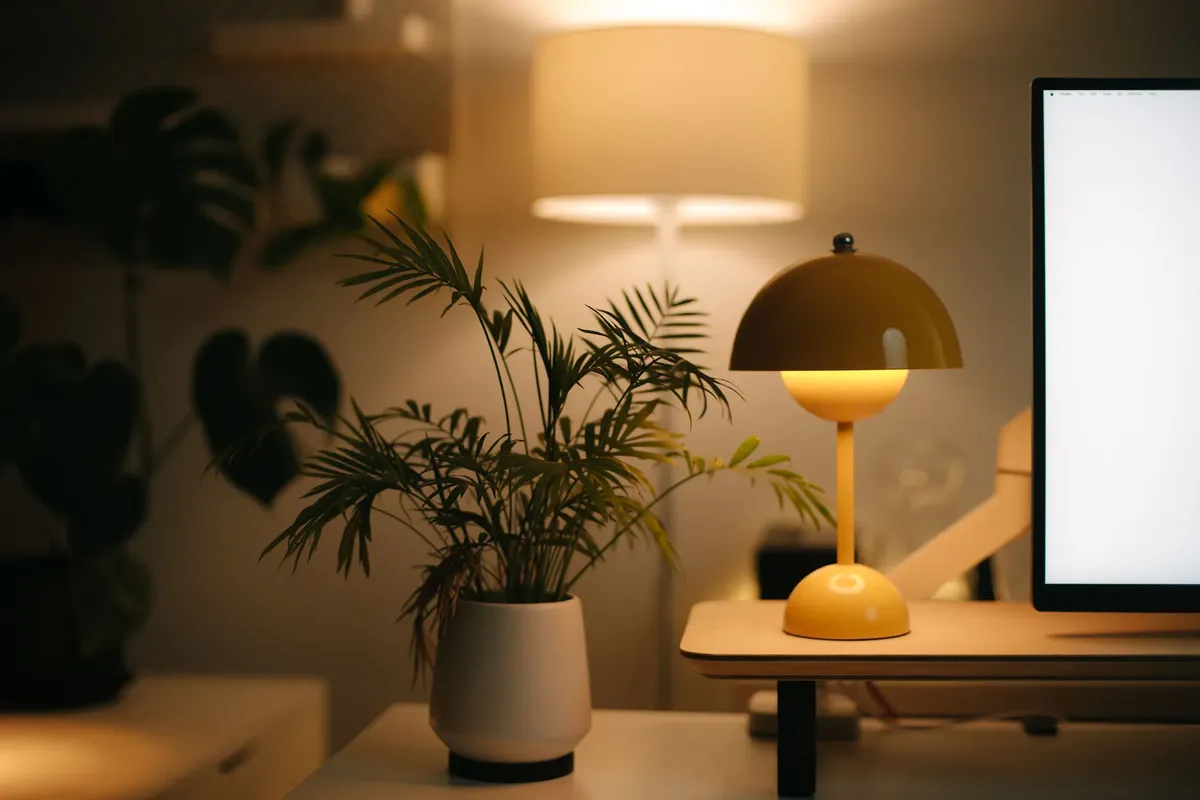
A person adjusts the brightness on a tablet while sitting in a lounge chair. When adjusting brightness for reading, the light should be bright enough to see details but not so bright that it causes discomfort.
For digital work, the screen brightness should roughly match the surrounding ambient light. If the screen is much brighter than the room, it creates a "tunnel effect" that strains the eyes. If the room is much brighter, the screen may be hard to read due to reflections.
Use a neutral white light for work to maintain alertness. For evening activities, warmer tones can help transition the body toward rest. This balance is essential for long-term comfort.
Ideal desk lamp settings for workspace comfort
A hand moves a metal desk lamp closer to a notebook. Setting up ideal desk lamp settings involves positioning the light source so it does not cast shadows on your work.
Position the lamp on the side opposite your dominant hand to prevent shadows from interfering with writing. The bulb should be shielded or diffused to prevent direct light from hitting the eyes. This setup ensures the light is directed exactly where it is needed.
Avoid using a lamp that is significantly brighter than the rest of the room. This sudden jump in brightness can be jarring. Aim for a gradual transition between the task area and the surrounding environment.
Blue light filtering home environments
Someone pulls a shade over a window to soften the incoming sunlight. While blue light filtering home setups often focus on screens, ambient light also plays a role.
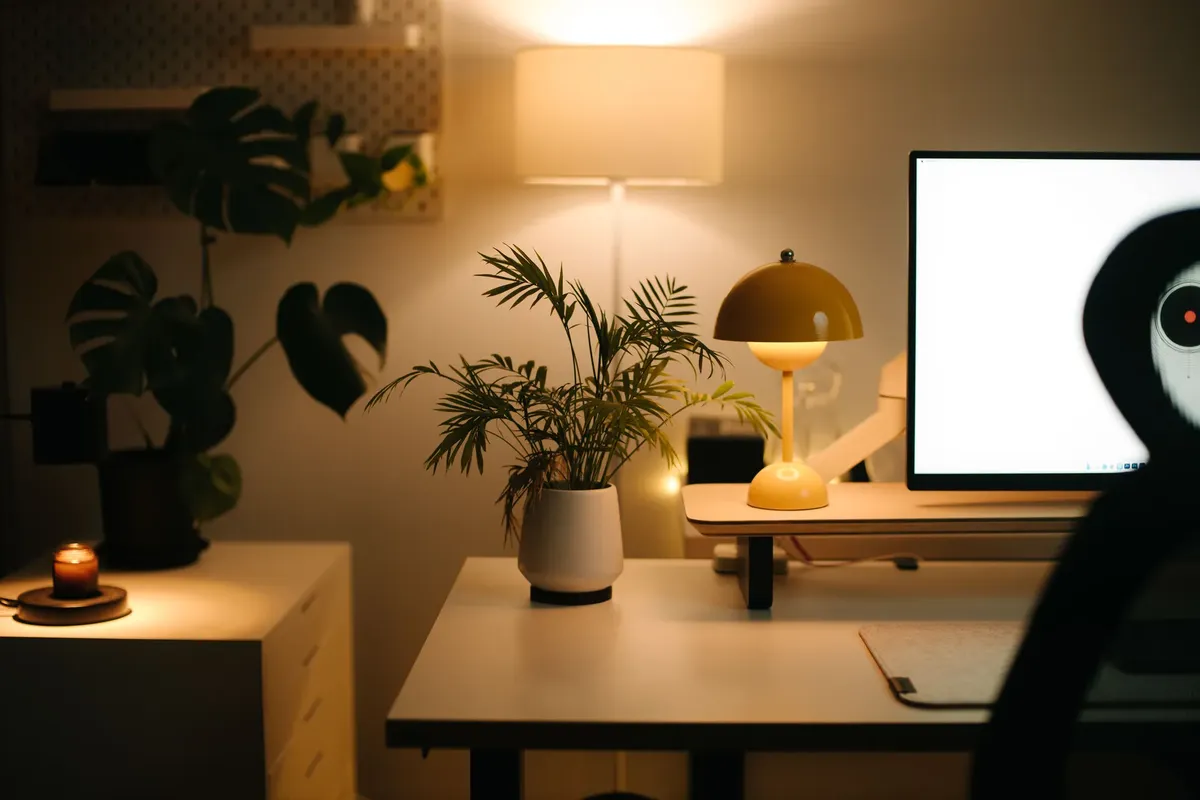
Modern LED bulbs can emit significant blue light, which may affect sleep patterns if used late at night. Choosing bulbs with a warmer color temperature in the evening can help mitigate this. This change in light quality helps the eyes relax during nighttime hours.
Using light-filtering shades on windows can also manage the amount of blue-rich daylight entering the home. This provides a more consistent light environment throughout the day.
- How to manage home lighting for eye strain?
- How do I set up the best indoor lighting?
- How can I control glare to reduce eye fatigue?
The same subject is also called Reduce eye fatigue lighting.
The same subject is also called Eye comfort lighting tips.
Related




Comments 0