Lens use with vision change: Why materials change sight
"The eye requires clarity, but the tools we use to achieve it have evolved from heavy glass shells to microscopic polymer layers."
Managing vision changes with lenses requires understanding the transition from traditional spectacles to modern ocular inserts. This guide covers lens maintenance, the evolution of materials, and how to handle different lens types for clear sight.
You will learn about cleaning protocols, the differences between scleral and corneal lenses, and the importance of hygienic storage.
How have lens technologies changed for vision?
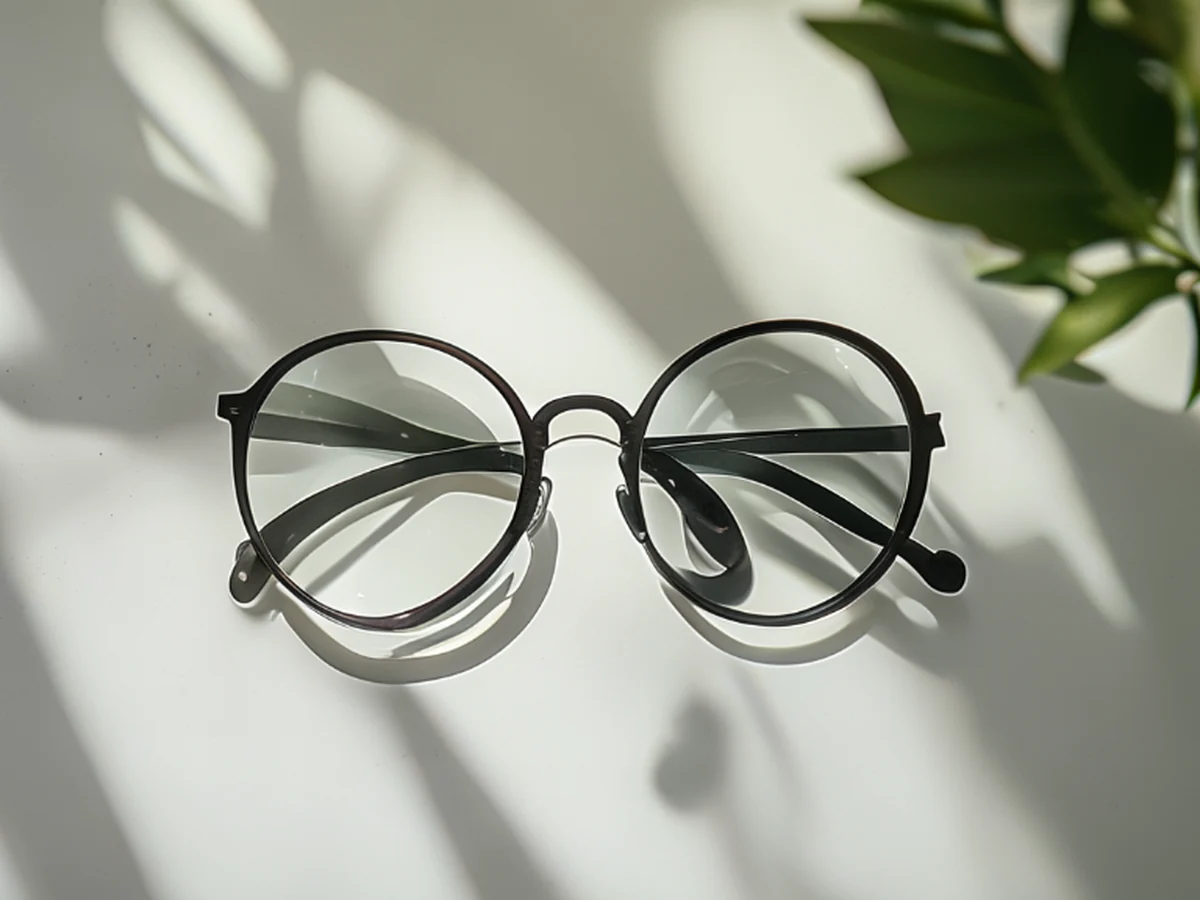
A person reaches for a pair of glasses and realizes how much the physical design has shifted over centuries. Early vision correction involved heavy blown-glass shells, approximately 18–21 mm in diameter, which rested on the tissue surrounding the cornea and floated on a dextrose solution.
These early designs were significantly different from modern options because they were much larger than contemporary lenses.
Modern technology offers much smaller alternatives compared to those original scleral lenses. While the older versions covered the visible ocular surface, newer lenses sit only on the cornea and can be worn for up to 16 hours a day.
This shift allows for greater comfort and more versatile lens use with vision change.
Modern advancements have shifted from basic refractive correction to sophisticated coatings that manage light interference and digital eye strain.
What are the characteristics of modern lens materials? Lens use with vision change
An individual holds a new pair of lenses, feeling the lightness of the material compared to older, heavier glass. Third-generation materials, such as Enfilcon A, are naturally wet and feature a water content of 46%. This moisture helps maintain comfort during extended wear.
Different materials serve different purposes in the vision correction market. For example, while some brands use light tinting to make handling easier, cosmetic lenses used to change eye color were much less common, accounting for only 3% of contact lens fits in 2004.
Using these specialized materials ensures that the eye remains comfortable while providing necessary visual correction.
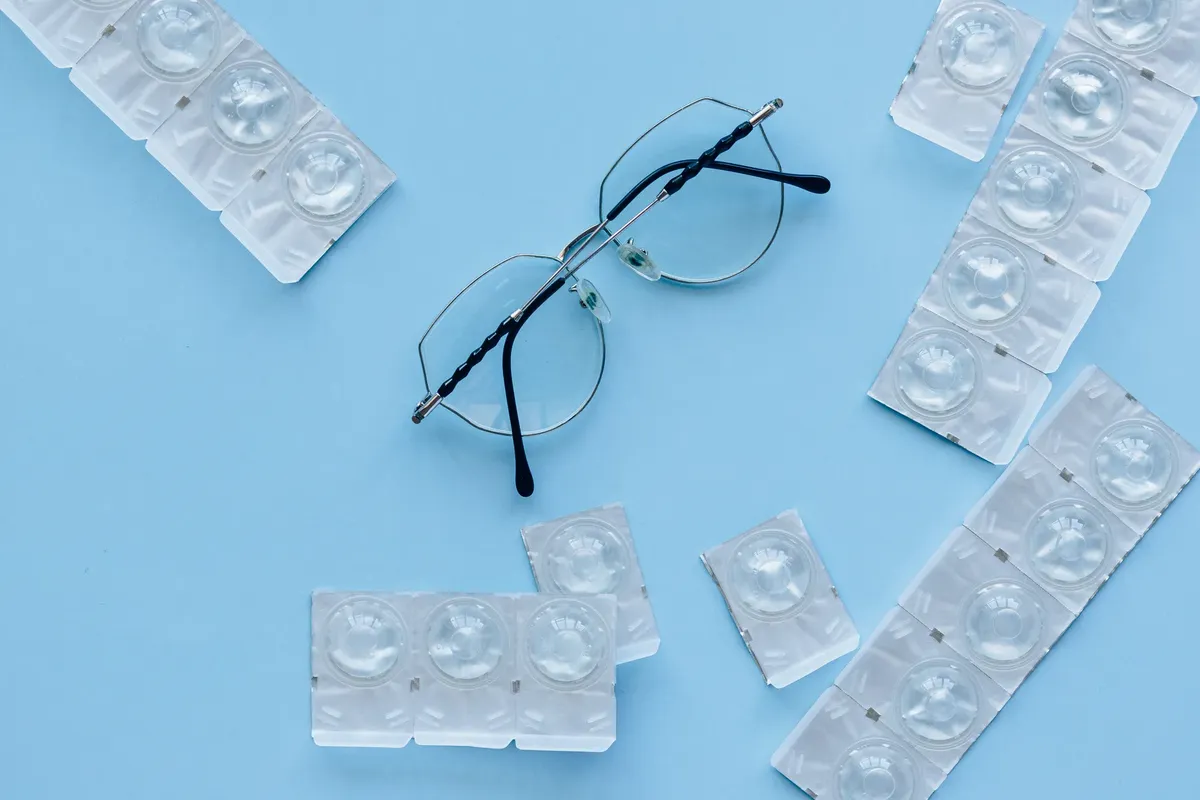
Contemporary materials offer a balance of high optical clarity, lightweight durability, and enhanced impact resistance.
How should you perform routine lens cleaning?
A user stands at a sink, carefully applying cleanser to a lens held in the palm of their hand. To clean the lenses, apply a few drops of cleaner to the lens while it rests in the palm of the hand.
The lens should then be rubbed for about 20 seconds with a clean fingertip on each side, depending on the specific product being used.
Proper maintenance is essential for eye health and clarity. Beyond manual rubbing, some users utilize portable devices where lenses are inserted for 2 to 6 minutes to clean both microorganisms and protein build-up.
Regular cleaning ensures that the corrective power remains consistent and the eyes stay healthy.
- Rinse the lenses with lukewarm water to remove abrasive particles.
- Apply a small amount of mild, lotion-free dish soap to the surfaces.
- Gently wipe with a clean microfiber cloth to prevent scratches.
How do you manage lens storage and hygiene?
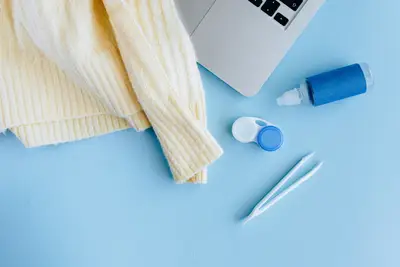
A person opens a small plastic case to inspect the liquid inside before placing their lenses. Aside from cleaning the contact lenses, the contact lens case should also be kept clean and should be replaced at minimum every 3 months.
This prevents the buildup of bacteria and debris that could irritate the eyes.
Effective hygiene involves more than just the lenses themselves. For those using specific disinfection methods, an exposure time of 2-3 hours to 3% H2O2 (non neutralized solution) is sufficient to kill bacteria, HIV, fungi, and Acanthamoeba.
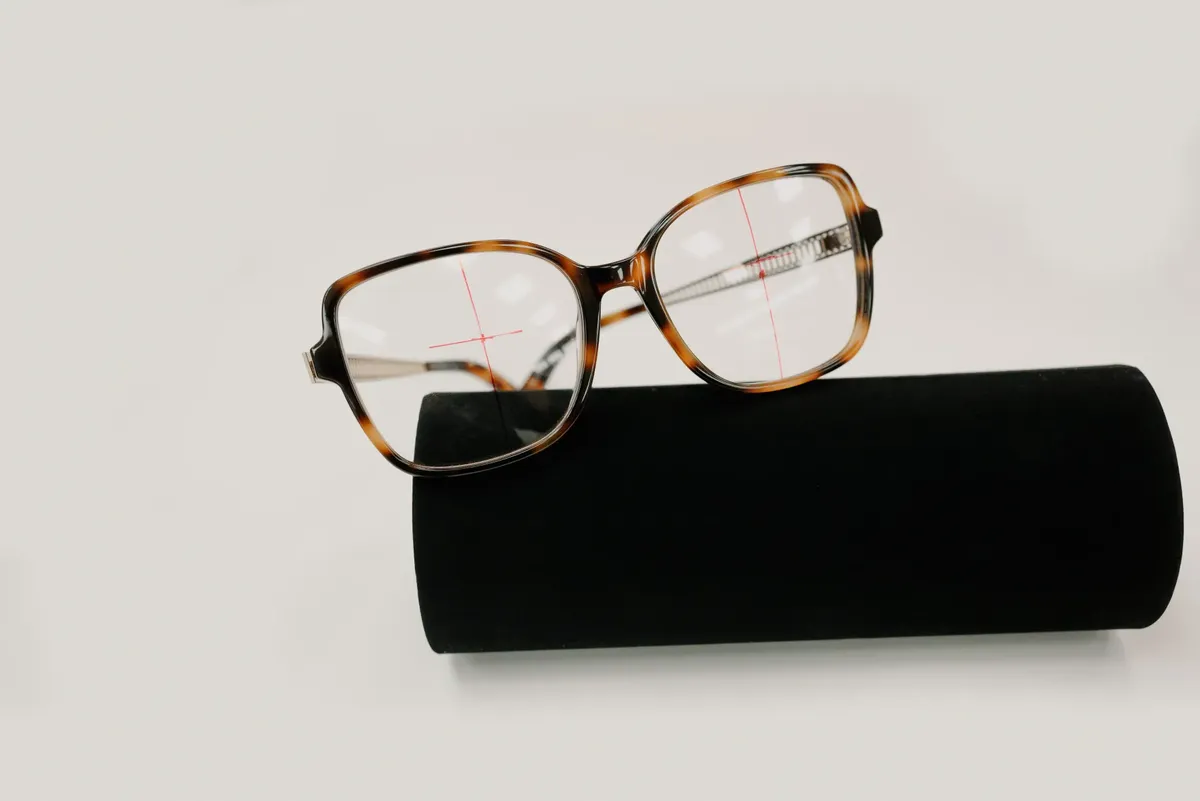
This can be achieved by using a "two-step" product or a "one-step" tablet system if the catalytic tablet is not added before the 2-3 hour window.
In this sequence, the second step is the longest.
What are the differences between lens types?
A shopper compares different lens options, noting the variety of shapes and sizes available. Early lenses were designed to fit the eye differently than current models.
For instance, while some lenses cover the entire ocular surface, others are designed specifically to sit on the cornea to allow for longer daily wear.
The following table compares the physical characteristics of early glass-based lenses and modern corneal lenses:
| Feature | Early Glass Shells | Modern Corneal Lenses |
|---|---|---|
| Primary Support | Dextrose solution | Cornea |
| Relative Size | Much larger than modern lenses | Much smaller than original scleral lenses |
I noticed during my own experience that the weight of the lens significantly impacts how long it can be worn comfortably.
Lens types vary based on refractive index, coating applications, and specific corrective functions such as single-vision or progressive designs.
What are the limitations of lens use?
A user looks in the mirror, checking the fit of a lens after a long day of work. It is important to recognize that not all lenses are intended for the same purpose or duration. For example, in the United States, the FDA labels non-corrective cosmetic contact lenses as "decorative contact lenses."
| Aspect | Limitation/Condition |
|---|---|
| Cosmetic Use | Only 3% of fits in 2004 were for color change |
| FDA Labeling | Non-corrective lenses are "decorative" |

Physical limitations include potential peripheral distortion in certain designs and the vulnerability of coatings to extreme heat or harsh chemicals.
The same subject is also called Eyeglass lens care guide.
The same subject is also called How to use lenses for vision.
The same subject is also called Vision change lens tips.
The same subject is also called Proper lens usage guide.
This part also covers Best practices for lens maintenance.
This part also covers When to change your eyeglass lenses.
Managing vision changes with lenses
Related


Comments 0