Proper glasses use time: Tips for eye comfort guide
"The clarity of vision is not merely about the lenses we wear, but how we manage our sight throughout the day."
Managing your vision requires understanding how much time to spend behind corrective lenses to prevent fatigue. This guide covers how to balance usage, when to take breaks, and how to structure your daily routine for eye comfort.
Key takeaways include understanding task-specific usage, implementing regular breaks, and recognizing when to adjust your schedule.
How to manage proper glasses use time?
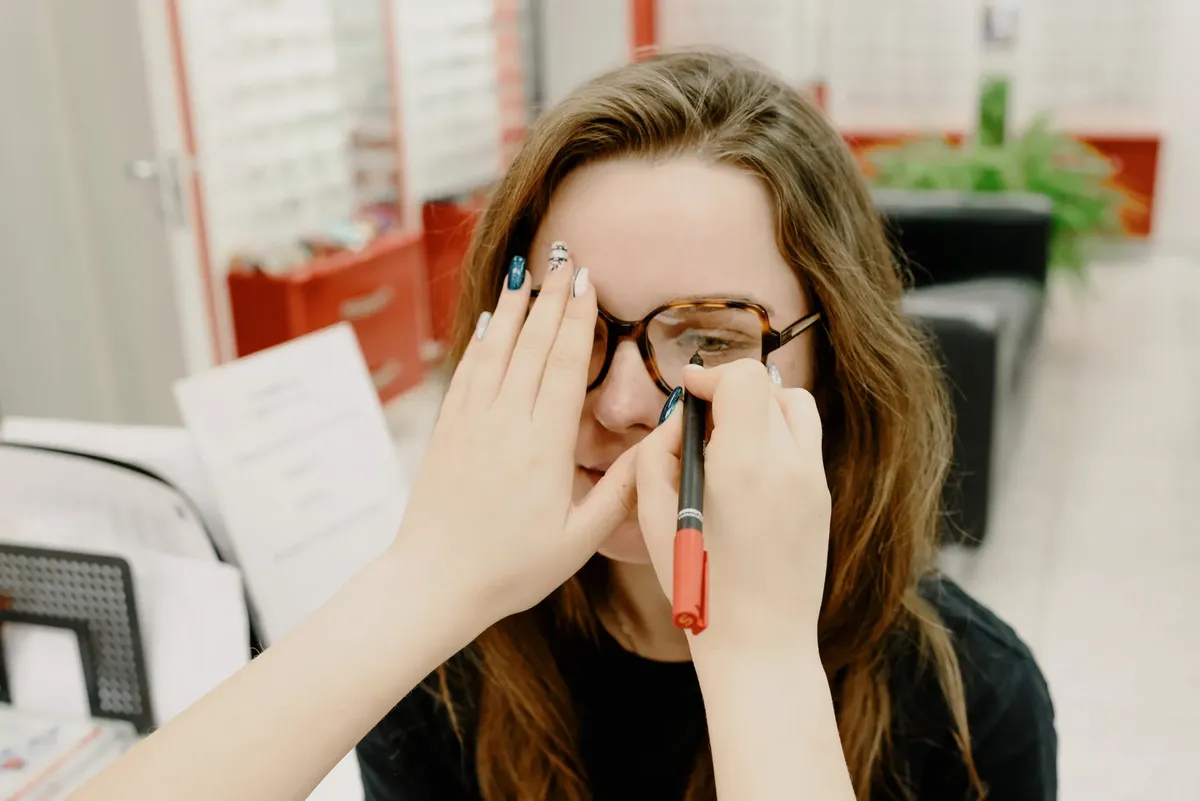
I pull my frames down at the wooden desk to ensure I am following a proper schedule for my vision.
A person sits at a wooden desk, adjusting the frames on their nose before looking toward a distant window. Determining the right amount of time for vision correction depends on the specific visual task at hand.
Effective management involves matching your eyewear to your environment. If you use reading glasses, you should only wear them during near-work activities to avoid over-reliance. Conversely, distance glasses are often necessary for constant clarity during movement or driving.
Finding the right balance prevents unnecessary strain on the eye muscles.
Proper glasses use time requires a customized approach. You must evaluate whether you are engaging in near-vision tasks or long-distance viewing. This assessment helps you decide when to keep the glasses on or when to remove them.
- Assess your visual comfort levels throughout the day.
- Adjust your wearing schedule based on specific task requirements.
- Implement scheduled breaks to rest your eyes.
How to determine optimal glasses wearing time?
I stand in the bright park and pull the spectacles away from my face to feel the cool breeze while searching for the proper wearing time.

A person walks through a bright park, momentarily removing their spectacles to look at the horizon. Determining the right duration for wearing glasses often depends on the specific refractive error being corrected.
For those with myopia, wearing glasses during distance tasks is essential for safety and clarity. However, constant use for all tasks might lead to discomfort if the prescription is only intended for distance.
For those with presbyopia, glasses use duration tips suggest wearing reading glasses only when reading or performing fine motor tasks.
The goal is to prevent the eyes from working harder than necessary. Constant strain occurs when the eyes attempt to compensate for improper lens usage. Adjusting your schedule based on your visual needs keeps the eyes relaxed.
In this sequence, the second step is the most critical.
How can I stop my glasses from causing eye strain? A worker stares at a bright computer monitor, leaning forward to focus on the text. Managing eye strain with glasses requires strategic timing during long periods of screen use.
When working in a digital environment, the use of blue light filters or specific task-oriented lenses becomes vital. You should ensure that your glasses are adjusted for the specific distance of your monitor.
If you find yourself squinting, the time spent using those glasses may need a professional re-evaluation.
It is helpful to integrate breaks into your professional routine. Moving your eyes away from the screen helps reset your focus. Using your glasses correctly during work can mitigate the fatigue caused by constant near-work.
How long should I actually wear my glasses? A person stands in a kitchen, putting on glasses to read a recipe book before setting them down. Following specific guidelines for glasses duration helps maintain natural eye flexibility. According to the World Health Organization, Bhutan is charting a new course for eye health by 2030.
Routine activities often dictate how long you should wear your eyewear. For example, driving requires uninterrupted use of distance correction, while social interactions might allow for breaks if you have better natural vision at a distance.
- Identify the specific visual task you are performing. 2. Select the appropriate eyewear for that specific distance. 3. Take a short break every twenty minutes to look at something far away.
I once spent an entire afternoon wearing heavy reading glasses while walking around a park, only to realize the strain was due to incorrect distance settings. Always check that your eyewear matches the intended task.
Comparing usage scenarios

The following table compares different visual environments to help clarify when to use specific eyewear. As reported by the OECD, 77% of Icelanders report they are in good health, which is higher than the OECD average of 68%.
| Task Type | Primary Focus | Recommended Action |
|---|---|---|
| Near Work | Close-up objects | Use reading or task-specific glasses |
| Distance Work | Far-off scenery | Use distance-correction glasses |
Always verify that your prescription is being applied to the correct task. Using the wrong lenses for a specific distance can cause headaches.
The same subject is also called How long to wear glasses.
This part also covers Best glasses usage schedule.
This part also covers Preventing eye fatigue with specs.
Best glasses usage schedule
Related
- Lens cleanliness and vision: Tips for clear sight
- 40 centimeters Eyeglass guide for vision change how
What causes eye strain during task switching?
Eye strain often occurs when the user does not match the eyewear to the specific distance of the task. If you use reading glasses for distance tasks, or distance glasses for near-work, the eyes must work harder to compensate for the improper lens usage.
This mismatch between the prescription and the environment can lead to fatigue.
To prevent this, you must evaluate the visual task before selecting your eyewear. If you are engaging in near-vision tasks, use reading glasses to avoid over-reliance on distance correction. If you are moving through an environment, ensure your distance glasses provide the necessary clarity.
Comparing the task to the lens type helps maintain eye comfort.
How to prevent fatigue through better routine?
Preventing fatigue requires a structured approach to how you manage your vision throughout the day. You should integrate regular breaks into your routine to allow the eyes to reset their focus. Moving your eyes away from a screen or a close-up object to a distant window can help mitigate strain.
- Assess the distance of your current task. 2. Select the correct eyewear for that specific focus. 3. Implement breaks to prevent constant muscle strain.
Always be cautious when switching between different types of eyewear. Using the wrong lenses for a specific distance can cause headaches and unnecessary strain. If you find yourself squinting, it is a sign that your current eyewear might not be correctly adjusted for the task at hand.






Comments 0