Eye strain friendly meal plan guide with 30 minute onset
"A healthy eye begins with what we put on our plates, balancing nutrition with safety to ensure long-term vision health."
Effective eye strain friendly meal plan strategies focus on nutrient-dense ingredients and strict food safety to prevent secondary health complications. This guide covers essential dietary habits, safety protocols, and how to manage food temperature to support overall well-being.
How to build eye care meals?
At the kitchen counter, I reach for the heavy ceramic bowl, feeling the physical strain in my shoulders as I begin to prep the greens.
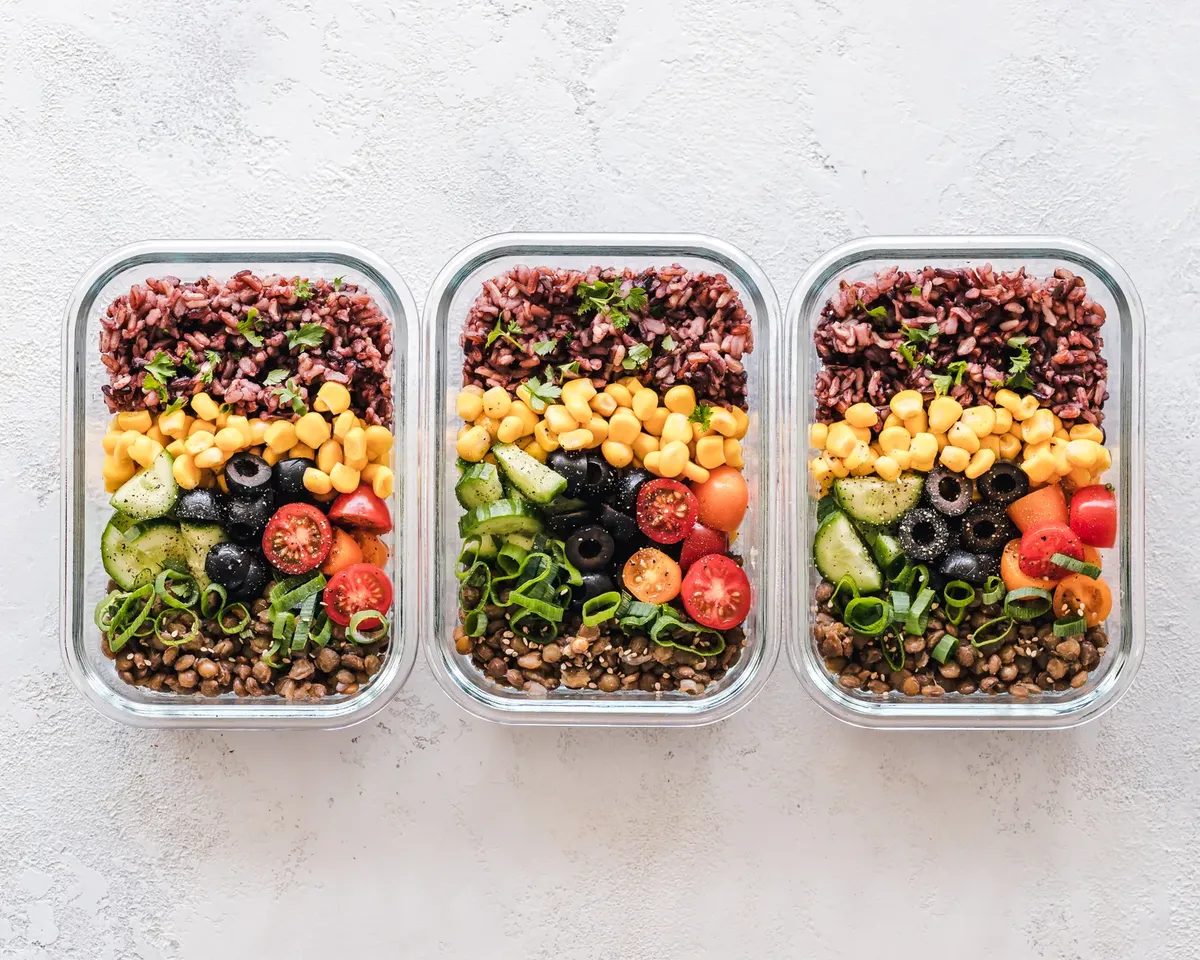
Setting a plate with colorful vegetables and lean proteins ensures a variety of micronutrients are present. A healthy plate for vision requires consistent attention to nutrient density and preparation methods.
Preparing a nutritious meal involves selecting fresh ingredients and handling them carefully to avoid contamination. A well-balanced diet supports the body's ability to manage various health challenges.
One effective way to manage eye health is through consistent dietary choices. For those managing existing conditions like diabetic retinopathy, maintaining stable glucose levels through food choice is vital.
According to Ophthalmology (2021), providing updated estimates on the global prevalence and number of people with diabetic retinopathy (DR) through 2045 remains a key focus for medical professionals.
A healthy plate for vision should include a mix of vitamins and minerals. For example, leafy greens and colorful vegetables provide essential antioxidants.
- Combine leafy greens with healthy fats like olive oil.
- Add colorful vegetables to provide diverse antioxidants.
- Include protein sources rich in zinc.
What are the best foods to fight eye strain? Eye strain friendly meal plan
In the brightly lit kitchen, I reach for the vibrant leafy greens, feeling the mental strain ease as I prepare a fresh salad. Selecting the right ingredients involves understanding how different foods support biological functions. Nutrition tips for better sight often focus on antioxidants and healthy fats.
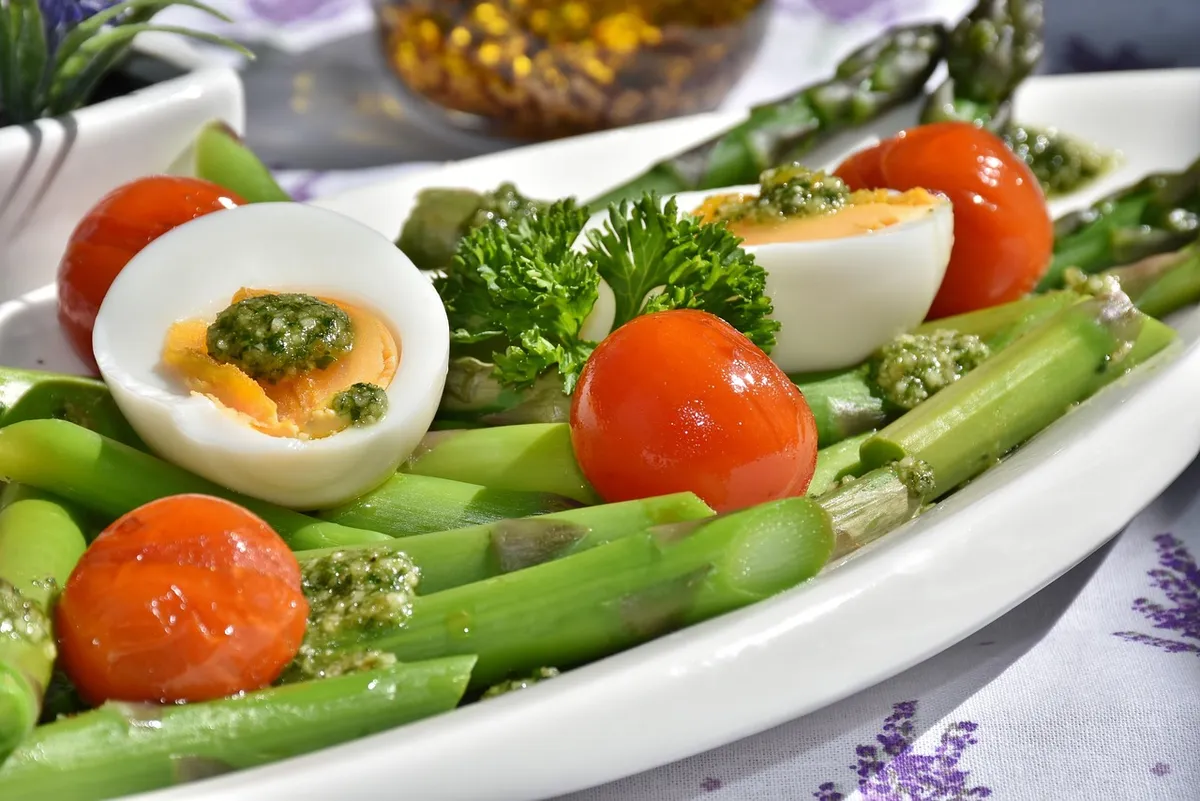
Choosing ingredients like salmon or leafy greens can provide the building blocks for eye health. A balanced diet is a cornerstone of preventative wellness.
When building an eye strain friendly meal plan, focus on foods that support ocular health. Selecting foods for tired eyes often means looking for high levels of vitamins A, C, and E.
A diet for eye health should be diverse and include various food groups. Including healthy fats can also be beneficial for overall wellness.
If you are managing chronic issues, remember that nutritional consistency is key. For those with specific needs, such as diabetic retinopathy, dietary management is a lifelong process.
According to Ophthalmology (2021), medical research continues to provide updated estimates on the global prevalence and number of people with diabetic retinopathy (DR) through 2045.
In this sequence, the second step is the longest.
How can I prepare meals to reduce eye fatigue safely? Handling food safely is as important as the nutrients themselves to prevent illness. Reduce eye fatigue meals should be prepared in a clean environment to avoid sudden health setbacks.
A clean kitchen and organized workspace prevent cross-contamination during meal prep. Safety is the foundation of any healthy eating habit.
Improperly prepared food can lead to sudden illness, which can disrupt health routines. For instance, in cases like Staphylococcal food poisoning, the onset of illness can be as soon as 30 minutes after ingesting contaminated food.
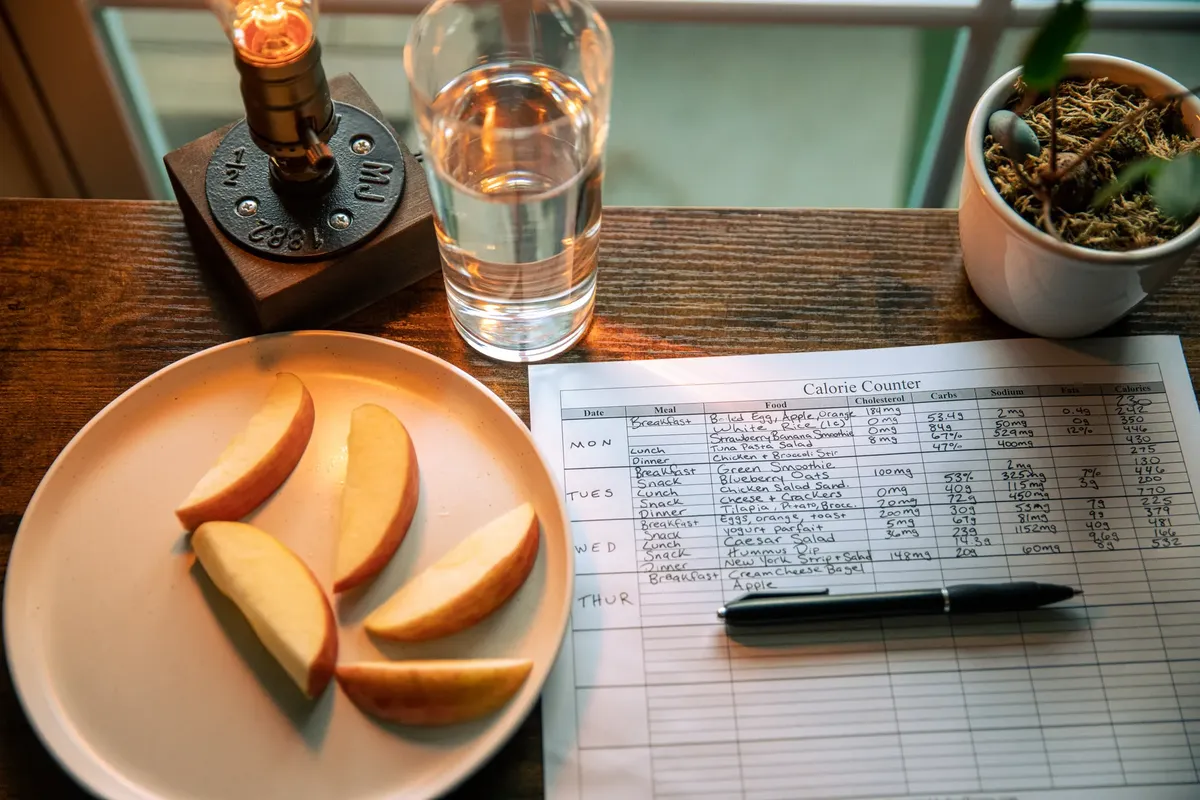
To maintain health, follow these temperature guidelines: 1. Avoid the "danger zone" where bacteria grow most rapidly between 40 and 140 °F (4 and 60 °C). 2. When reheating leftovers, ensure they reach an internal temperature of 165 °F (74 °C) or until hot or steaming. 3.
Keep cold foods refrigerated and hot foods held at appropriate temperatures.
I always check the internal temperature of my meals with a thermometer to ensure they are safe.
A limitation of these dietary strategies is that they cannot replace medical treatment for advanced eye conditions.
What are the risks of unsafe food?
Consuming contaminated food can lead to immediate or long-term health issues. Understanding these risks helps in maintaining a consistent healthy lifestyle.
A sudden bout of illness can temporarily impair one's ability to maintain a healthy routine. Staying informed about food safety is essential for long-term health.
Foodborne illnesses can cause immediate distress or lead to lasting complications. Some people may experience post-infectious irritable bowel syndrome (PI-IBS), where 3–20% of affected individuals develop chronic gastrointestinal symptoms even after the pathogen is cleared.
Maintaining a stable health routine is difficult when dealing with sudden illness. Using a thermometer during cooking helps prevent these issues.
| Risk Type | Key Detail |
|---|---|
| Immediate Onset | As soon as 30 minutes after ingestion |
| Chronic Impact | 3–20% may develop PI-IBS |
How to manage food safety at home?
Managing a kitchen requires constant vigilance regarding temperatures and cleanliness. A structured approach to food handling prevents many common health issues.
A clean countertop and sanitized utensils are the first line of defense. Regular habits prevent small mistakes from becoming health problems.
To ensure your meals are safe, follow these three steps: 1. Monitor the temperature of ingredients to stay out of the 40 to 140 °F (4 and 60 °C) range. 2. Reheat all leftovers to an internal temperature of 165 °F (74 °C). 3. Clean all surfaces immediately after food preparation.
Always double-check that the food is steaming hot before serving.
Related





Comments 0