Why does detergent choice matter for vision?
"Clear vision starts with the clarity of your lenses, but the wrong cleaning method can lead to permanent coating damage."
To maintain clear vision, you must use gentle, pH-neutral cleaners and avoid harsh chemicals or abrasive cloths that scratch the surface. Proper lens cleaning involves rinsing with water, using mild soap, and drying with microfiber.
Mismanaging your eyewear can degrade coatings, leading to distorted vision and eye strain.
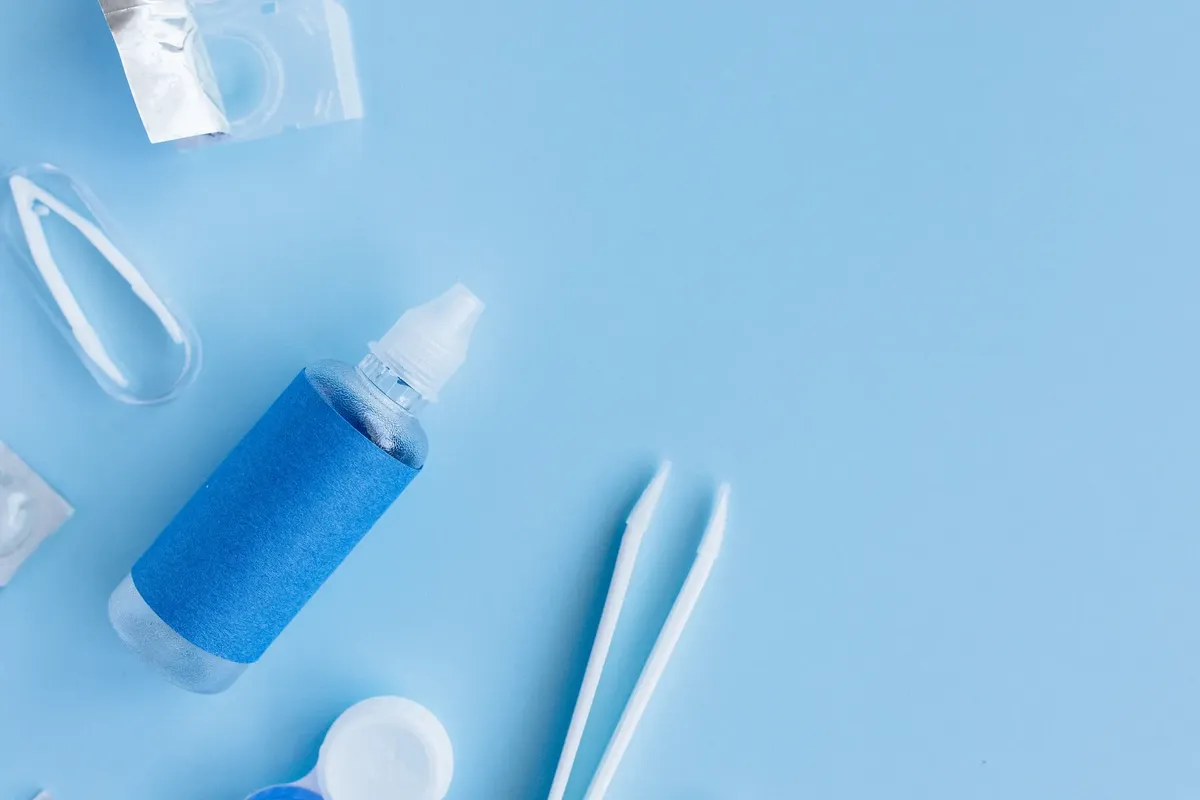
* Use lukewarm water to rinse off dust. * Apply mild, non-abrasive soap. * Drying is the final critical step.
How to clean glasses lenses safely?
A person stands at a bathroom sink, holding a pair of glasses under a gentle stream of water to loosen debris. Avoiding scratches starts with removing physical particles before any wiping occurs.
To begin the process, rinse the lenses under lukewarm running water to wash away loose dust and grit. This prevents the particles from acting like sandpaper against the lens surface during the cleaning process.
If the glasses are heavily soiled, you can use a small amount of mild, lotion-free dish soap to break down oils.
Attempting to wipe a dry lens with a paper towel can cause tiny scratches that make everything look hazy. Always ensure the lenses are thoroughly wet before attempting to rub the surface.
- Rinse the lenses and frames under lukewarm running water to remove debris. 2. Apply a tiny drop of mild, lotion-free dish soap to each lens and gently rub with your fingertips. 3. Rinse the soap away completely and dry the lenses using a clean, high-quality microfiber cloth.
A final check involves inspecting the lenses under a bright light to ensure no streaks or residue remain.
- Rinse the lenses with lukewarm water to remove abrasive particles.
- Apply a small amount of mild dish soap to the lenses.
- Gently rub the lenses and rinse thoroughly before drying with a microfiber cloth.
Why does detergent choice matter for vision? Lens cleaning and vision health
In the bright morning light, I squint at the cloudy lens and realize how a harsh cleaner does damage to my clarity.
A person looks through a lens that appears slightly cloudy, squinting to focus on a distant object. The choice of cleaning agent can directly affect how light passes through the lens.

The chemicals in certain detergents can strip away anti-reflective or UV coatings, causing permanent damage. When coatings become uneven or pitted, light scatters instead of passing through clearly, which can lead to significant eye strain.
Using harsh household cleaners or window sprays often contains ammonia or alcohol, which can degrade the lens material over time.
Properly maintaining the lens surface ensures that light enters the eye without distortion. If the coatings are ruined, the visual quality drops, forcing the eyes to work harder to focus.
However, the effectiveness of cleaning is limited if the detergent contains harsh abrasives that can scratch the surface.
Common mistakes in lens care
A person reaches for a shirt sleeve to quickly wipe a smudge off their glasses. This habit is one of the most common ways lenses become permanently scratched.
Many people use clothing, paper towels, or tissues to clean their eyewear, but these materials are often too abrasive. Even though they feel soft, the fibers can create microscopic scratches that accumulate over time.
Additionally, using hot water can cause the lens coatings to crack due to thermal expansion.
| Method | Potential Risk |
|---|---|
| Paper Towels | Micro-scratches on coatings |
| Harsh Chemicals | Permanent coating degradation |
I always make sure to keep a dedicated microfiber cloth in my case to avoid using whatever is nearby.
In this list, the first mistake is the most frequent error made by users.
What are the limits of cleaning?
A person examines a lens that has a deep, visible scratch that cannot be wiped away. Some types of damage cannot be fixed by cleaning alone.
While regular cleaning prevents buildup, it cannot repair physical scratches or deep pits in the lens material. If the coating has already been stripped or if there are deep scratches, the lens may need professional replacement.
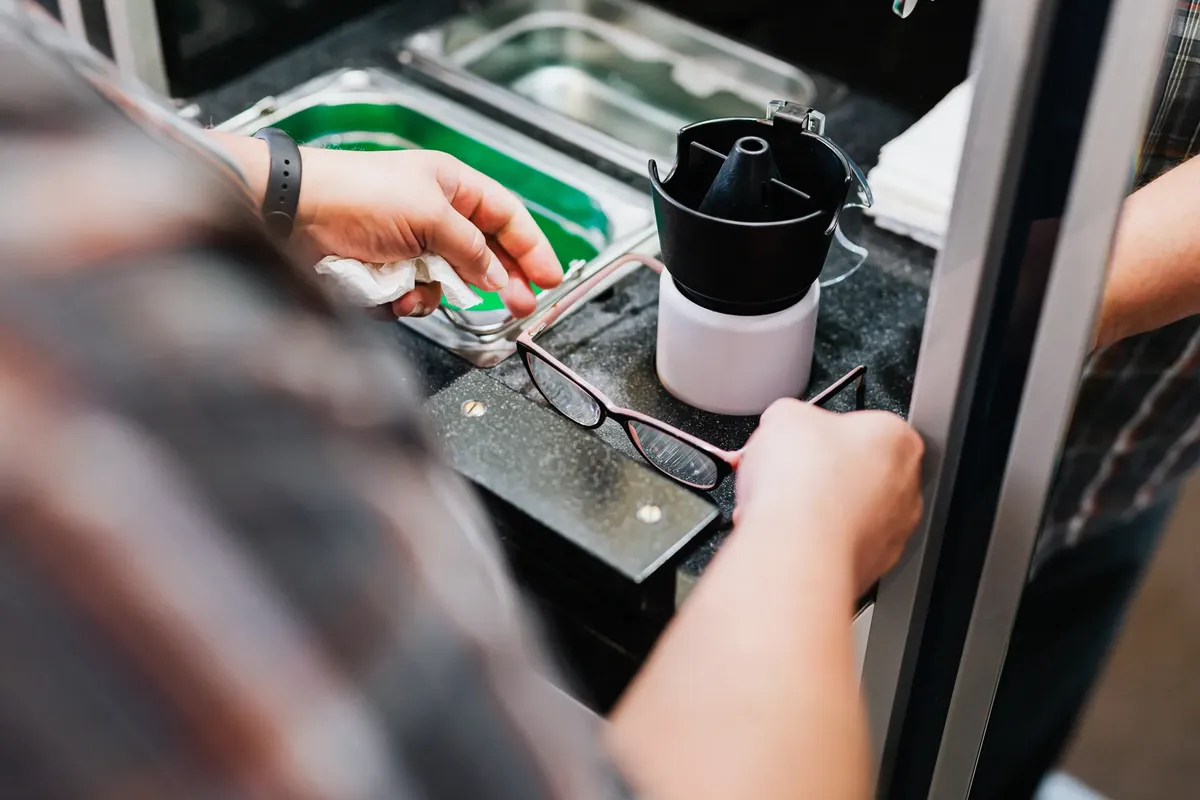
Cleaning is not effective for removing deep scratches or structural cracks in the lens material.
The subject here is Lens cleaning and vision health.
The same subject is also called Best lens cleaning solutions.
The same subject is also called Impact of soap on vision.
The same subject is also called Proper glasses care tips.
This part also covers Safe lens cleaning methods.
This part also covers Chemicals affecting eyesight.
This part also covers Maintaining clear vision lenses.
Safe lens cleaning methods
Related
- Glasses cleaning for eye health: 20-20-20 rule guide
- Proper glasses use time: Tips for eye comfort guide
What happens when coatings fail?
Failure of coatings results in distorted vision and increased eye strain. If the chemical integrity of the lens surface is compromised, the user may experience a loss of clarity.
When harsh chemicals or abrasive materials strip the protective layers, the light passing through the lens scatters. This scattering prevents clear vision by creating a hazy effect. If the coatings are pitted or uneven, the eyes must work harder to focus on objects.
This constant struggle to maintain focus can lead to significant eye strain during daily activities.
I find that the third point highlights the most critical consequence of coating degradation.
How to prevent permanent damage?
Preventing damage requires avoiding harsh chemicals and abrasive materials that scratch the surface. Using gentle, pH-neutral cleaners and microfiber cloths helps maintain the integrity of the lens.
- Avoid using ammonia or alcohol-based sprays that can strip coatings. 2. Do not use paper towels or clothing to wipe lenses, as these can cause micro-scratches. 3. Use lukewarm water instead of hot water to prevent thermal expansion damage. 4. Always rinse away dust with water before applying soap to prevent scratching. 5. Use a dedicated microfiber cloth for drying to ensure clear vision.
If the coatings are already ruined or if deep scratches exist, the lens may require professional replacement. Regular maintenance with mild soap and water is a necessary condition to prevent the degradation of the lens surface.
This advice does not apply to lenses that have already sustained severe physical damage.
How can you identify coating failure?
Failure of coatings manifests as distorted vision or a hazy appearance when looking through the lens. If the surface is pitted or uneven, light will scatter rather than passing through clearly.
When the protective layers are stripped by harsh chemicals, the visual quality drops. This condition forces the eyes to work harder to maintain focus, which can lead to eye strain. If the coatings are already ruined, the lens may require professional replacement to restore clear vision.
What is the risk of using hot water?
Using hot water can cause the lens coatings to crack due to thermal expansion. To avoid this, always use lukewarm water for rinsing and cleaning.
If the temperature is too high, the expansion can damage the integrity of the lens surface. Using lukewarm water instead of hot water is a necessary condition to prevent this type of damage. Always ensure the water is gentle to protect the coatings and maintain clear vision.




Comments 0