Pixel separation affects Glasses lens eye strain relief tips
"The human eye is a complex optical instrument that requires specific conditions to maintain clarity and comfort during visual tasks."
Choosing the right lenses can help manage visual comfort, though they cannot fix all physiological limitations. This guide explores how lens technology interacts with human vision, the impact of field of view, and how to mitigate discomfort when using immersive displays.
Key takeaways: * Understanding pixel separation and distance is vital for clarity. * Overlapping visual fields define our binocular vision limits. * Awareness of user-specific sensitivity can help manage discomfort.
How do pixel distances affect glasses lens eye strain relief?
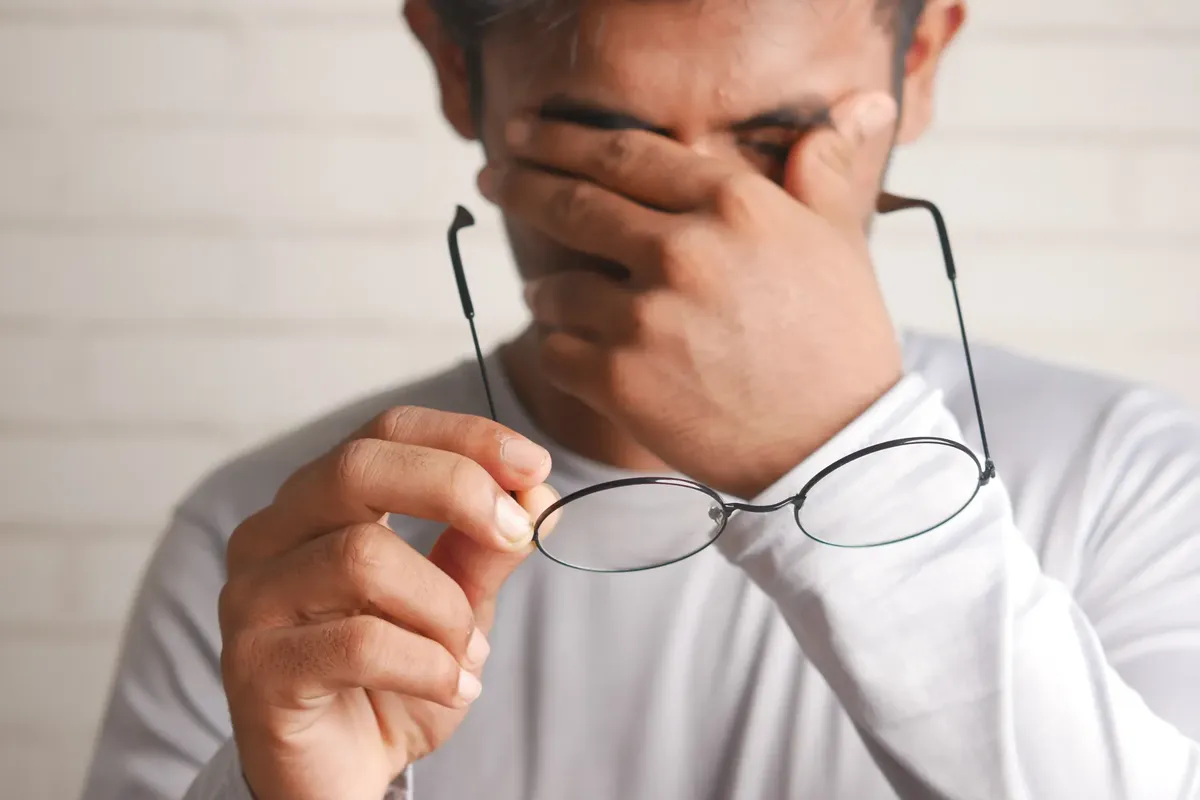
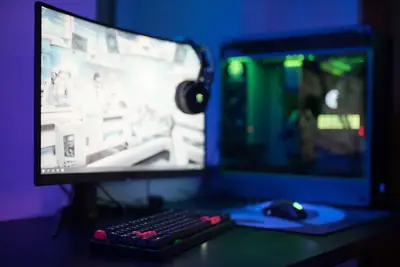
A person sits at a desk, adjusting the distance between their eyes and a digital screen. As they move closer to the display, the ability to distinguish fine details changes based on the spacing of pixels.
Effective glasses lens eye strain relief often depends on understanding how the eye resolves detail at different distances. According to technical data, regular viewers will not be able to perceive two pixels as separate if they are less than 0.29mm apart at a 1m viewing distance.
At a distance of 2m, that threshold increases to less than 0.58mm.
If the resolution is too low for the viewing distance, the eyes may struggle to focus on distinct points, leading to fatigue. This interaction between pixel density and distance is a primary factor in visual comfort.
Maintaining appropriate viewing distances helps the eyes manage these tiny details more easily.
In this sequence, the first step is the most critical.
What is the role of binocular vision in eye comfort lens benefits?
A person looks through a pair of lenses, noticing how the two sides of the world merge into one seamless image. They realize that their vision is not a single wide window but a combination of two different perspectives.
Seeking eye comfort lens benefits requires an understanding of how our eyes work together. Binocular vision is limited to the 120 or 140 degrees where the right and the left visual fields overlap. This overlap is essential for depth perception and unified visual processing.
Because the eyes provide different perspectives, the lenses must align correctly to ensure the brain receives a coherent image. When the overlap is clear, the strain of merging two separate images is minimized.
Proper alignment ensures that the user can utilize their natural binocular range effectively.
How does field of view impact glasses for tired eyes?
A user adjusts a headset, scanning the environment from side to side to take in the full scene. They notice that while they can see much of the room, there are still areas beyond their immediate sight.
When searching for glasses for tired eyes, one must consider the natural human field of view. With eye movements, we have an FOV of roughly 300 degrees x 175 degrees with two eyes, which represents approximately one third of the full 360-deg sphere.
This wide range allows for situational awareness without constant head movement.
Lenses that attempt to mimic or enhance this field must be carefully managed to avoid discomfort. If a visual field is too restricted or artificially wide, it can disrupt natural eye movements.
Balancing the lens coverage with the natural 300-degree range helps reduce the effort required to scan an environment.
Why do some people experience more sickness when using VR?
A person pulls off a headset after a session, feeling a slight wave of dizziness as they return to the real world. They wonder why this sensation affects everyone differently.
The reality of visual discomfort is that it varies wildly between individuals. Because approximately 25–40% of people experience some kind of VR sickness when using VR machines, companies are actively looking for ways to reduce VR sickness.
This variability makes it difficult to create a one-size-fits-all lens solution.
Gender also plays a role in how these symptoms manifest. Women are significantly more affected than men by headset-induced symptoms, at rates of around 77% and 33% respectively. Understanding these demographic differences helps in developing more ergonomic and comfortable optical hardware.
How can I manage visual discomfort when using new devices?
A user sits in a chair, preparing to use a new visual device for the first time. They take a deep breath and prepare a set of steps to ensure they do not overexert their eyes.
Managing eye strain involves a proactive approach to how you interact with digital optics. Follow these steps to maintain comfort:
- Adjust the viewing distance to match the pixel separation capabilities of your eyes. 2. Ensure the device or lenses allow for a comfortable overlap of the binocular field. 3. Take frequent breaks to prevent the onset of sickness or fatigue.
After following these steps, perform a final check: are your eyes feeling strained or is your vision blurry? If symptoms appear, it is best to stop and rest. I have found that adjusting the distance is often the first step to resolving clarity issues.
- Adjust the distance between your eyes and the screen.
- Reduce the brightness to match your ambient lighting.
- Take frequent breaks to allow your eye muscles to relax.
How do we handle specific user sensitivities?
A researcher looks at a data sheet, noting how specific groups respond to different visual stimuli. They realize that eye health is not just about the hardware, but the person using it.
Certain conditions may make individuals more susceptible to visual issues. For example, one in 4,000 people, or .025%, may experience specific symptoms that are much rarer than general fatigue. This small fraction of the population requires specialized care and different optical approaches.
It is important to recognize that not everyone can use every type of lens or headset. For those with high sensitivity, the standard 25–40% sickness rate might feel much higher. Identifying these sensitivities early can prevent long-term eye strain.
The same subject is also called reduce eye fatigue glasses.
The same subject is also called lens effect on eyes.
This part also covers best lenses for eye strain.
This part also covers how glasses reduce eye fatigue.
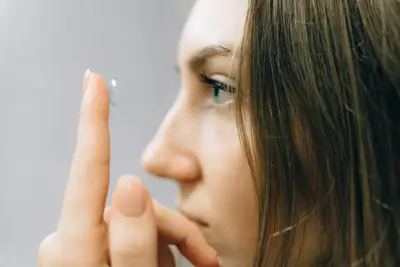
This part also covers care when wearing corrective lenses.
best lenses for eye strain
Related





Comments 0