Sleep for eye health guide: Achieve 7 to 9 hours sleep
"A consistent sleep pattern is not just about rest; it is a fundamental component of maintaining visual health and biological rhythm."
Maintaining a healthy sleep pattern is essential for those seeking to protect their vision and overall well-being. This guide covers how to stabilize sleep cycles, the connection between visual impairment and sleep quality, and practical steps for better rest.
Key takeaways include achieving 7 to 9 hours of sleep, maintaining a consistent schedule, and understanding the relationship between sleep cycles and physiological health.
How does sleep pattern vision care work?
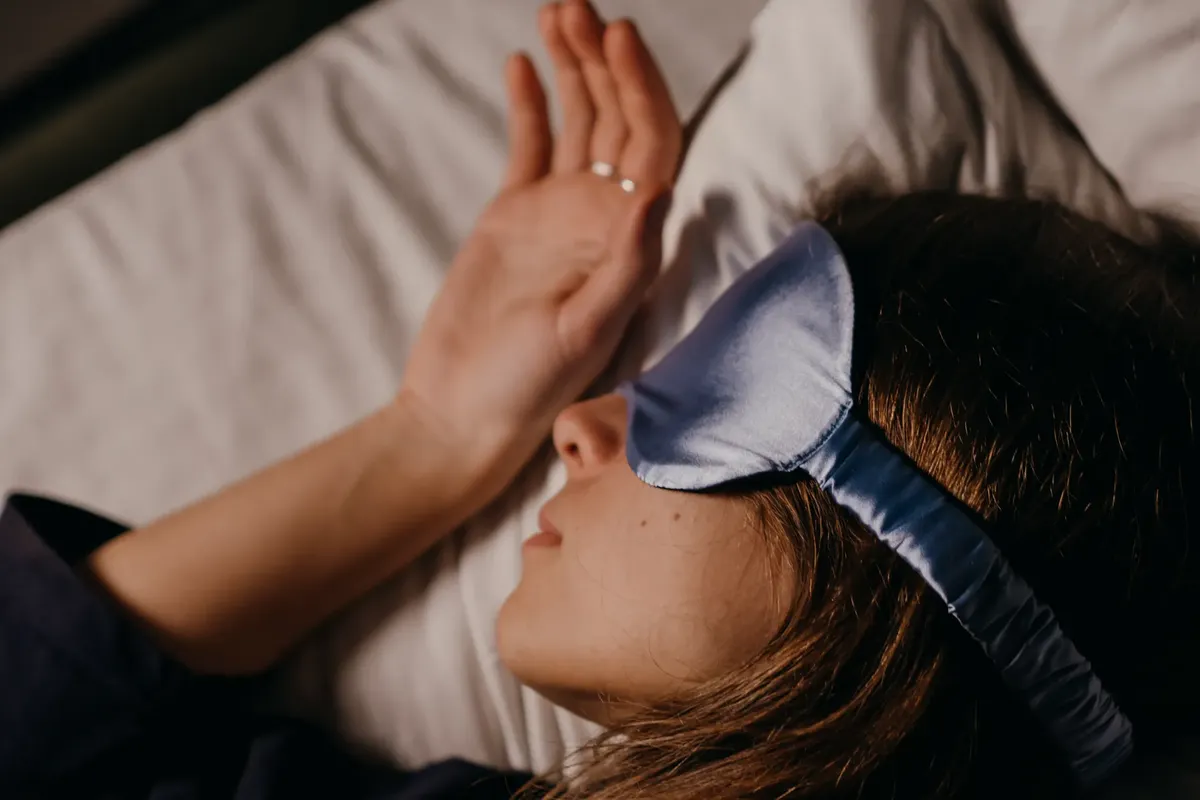
A person sits quietly in a darkened room, adjusting the heavy curtains to ensure no light leaks through the window. Establishing a stable environment is the first step in applying a sleep pattern vision care approach to protect the body.
According to the Association of Optometrists (AOP), individuals with visual impairment are twice as likely to experience poor sleep quality. This research highlights how physical vision issues and sleep disturbances can create a difficult cycle.
Managing these factors requires a disciplined approach to rest.
The relationship between vision and rest is often reciprocal. When sleep is disrupted, the body's ability to recover is diminished, which can exacerbate existing eye strain. Focusing on sleep hygiene helps mitigate these risks.
Sleep allows the eyes to undergo essential recovery processes, such as rehydrating the ocular surface and clearing metabolic waste from retinal tissues.
How can I sleep better for my eye health? At midnight in the pitch-black bedroom, I pull the thick duvet up to my chin to ensure a perfect sleep.
An individual sets an alarm for the same time every morning, regardless of how much they slept the night before. Adopting these eye health sleep habits ensures the body's internal clock remains synchronized.
To improve sleep, one should aim for 7 to 9 hours of rest. Maintaining a consistent sleep/wake schedule and a regular bedtime routine is also vital. Adding regular exercise and a contemplative practice can further stabilize these rhythms.
Consistent timing helps regulate the circadian rhythm. This stability is necessary to prevent the onset of various sleep-wake disorders. A predictable routine provides the foundation for restorative sleep.
Maintain a consistent sleep schedule and keep the bedroom dark to support natural melatonin production and reduce eye strain.
How can regulating sleep for eyes help with sleep cycles?

As dawn breaks through the window, I rub my tired eyes and think about how regulating sleep helps stabilize my rhythm.
A person watches the clock as they transition through different stages of rest, noting the gradual shifts in their breathing. Understanding how the body moves through stages is key to regulating sleep for eyes and general health.
In adult humans, a single sleep cycle lasts about 90 minutes. During this time, REM and non-REM sleep alternate. These cycles repeat throughout the night, with each cycle typically including a larger proportion of REM sleep as the night progresses.
The first REM episode generally occurs about 70 minutes after falling asleep. During a typical night, humans usually experience four or five periods of REM sleep. These periods are shorter at the beginning of the night and longer toward the end.
Stabilizing your sleep schedule helps synchronize your circadian rhythm, which in turn regulates the natural tear production and eye muscle relaxation that occur during rest.
Why is a sleep cycle and vision connection important?
A researcher observes a subject through a glass partition, noting the timing of eye movements during sleep. Recognizing these patterns is essential to understanding the sleep cycle and vision connection.
The timing of sleep stages is critical for biological regulation. While REM sleep typically occupies 20–25% of total sleep in adults, the structure of these cycles remains constant. This regularity helps manage the body's internal biological clock.
Disruptions to these cycles can lead to issues like non-24-hour sleep–wake rhythm disorder. This condition is classified in the International Classification of Sleep Disorders (ICSD-3) published by the American Academy of Sleep Medicine (AASM) in 2014.

Such disorders can significantly impact daily functioning and health.
A healthy sleep cycle ensures that the eyes receive uninterrupted time to repair cellular damage and manage intraocular pressure.
Can a better sleep routine improve my vision? A person prepares a quiet space by dimming the lights and putting away electronic devices an hour before bed. Following a structured routine is a practical way of improving vision through sleep.
According to Progress in cardiovascular diseases, recommendations to improve sleep include achieving 7 to 9 h of sleep, maintaining a consistent sleep/wake schedule, a regular bedtime routine, engaging in regular exercise, and adopting a contemplative practice.
To establish a healthy routine, follow these steps:
- Maintain a consistent sleep and wake schedule every day. 2. Establish a regular bedtime routine to signal sleep readiness. 3. Engage in regular physical exercise and contemplative practices.
After completing these steps, perform a final check to ensure the sleep environment is dark and quiet. I found that sticking to a strict schedule helped me feel more alert during the day.
- Dim the lights an hour before bed to reduce blue light exposure.
- Avoid using electronic screens in the bedroom to prevent digital eye strain.
- Maintain a cool, dark environment to promote deep, restorative sleep.
Managing sleep disorders
A person with a disrupted rhythm attempts to align their schedule with the natural daylight. Managing a specific condition requires understanding how disorders are classified and treated.

According to Association included non-24-hour sleep–wake type as, the American Psychiatric Association included non-24-hour sleep–wake type as a specified subtype of circadian rhythm sleep–wake disorders in the DSM-5, published in 2013.
The American Psychiatric Association included non-24-hour sleep–wake type as a specified subtype of circadian rhythm sleep–wake disorders in the DSM-5, published in 2013. This classification helps professionals identify specific needs for patients.
| Sleep Component | Adult Human Characteristic |
|---|---|
| Single Sleep Cycle Duration | Approximately 90 minutes |
| Total REM Sleep Duration | 90–120 minutes |
One limitation is that these general recommendations may not account for the complexities of specialized sleep-wake rhythm disorders.
Addressing sleep disorders is vital because chronic sleep deprivation can lead to dry eye syndrome, blurred vision, and increased eye fatigue.
Related
- How can I improve my eye care sleep routine?
- Sleep and eye health link: 7 hours Why sleep affects eyes
What precautions should one take regarding consistent sleep? 1. Individuals should ensure the sleep environment remains dark and quiet after establishing a routine. 2. One should maintain a consistent sleep schedule every day to help regulate the body's internal clock. 3. Engaging in regular exercise supports the overall stability of the sleep pattern.
This consistent approach helps mitigate the risks associated with disrupted sleep, which can worsen existing eye strain. Adopting these habits supports the body's natural recovery processes.
When might sleep patterns affect vision more severely? Visual impairment increases the likelihood of poor sleep quality, as noted by the Association of Optometrists. This connection suggests that physical vision issues and sleep disturbances feed into a difficult cycle. Managing this requires a disciplined approach to achieving a consistent sleep pattern.
Disruptions to the sleep cycles can manifest as conditions such as non-24-hour sleep–wake rhythm disorder. Such disorders significantly impact daily functioning and overall health, requiring careful management.






Comments 0