Sleep and eye health link: 7 hours Why sleep affects eyes
"A study finds those with visual impairment twice as likely to experience poor sleep quality."
The link between sleep and eye health is a bidirectional relationship where vision issues can disrupt rest, and lack of sleep can impact overall wellness.
This guide explores how sleep patterns influence ocular health, the specific sleep requirements for different age groups, and the risks of sleep deprivation.
Key takeaways include understanding the correlation between visual impairment and sleep quality, identifying healthy sleep durations for various life stages, and recognizing the impact of sleep loss on daily performance.
How does the sleep and eye health link work?
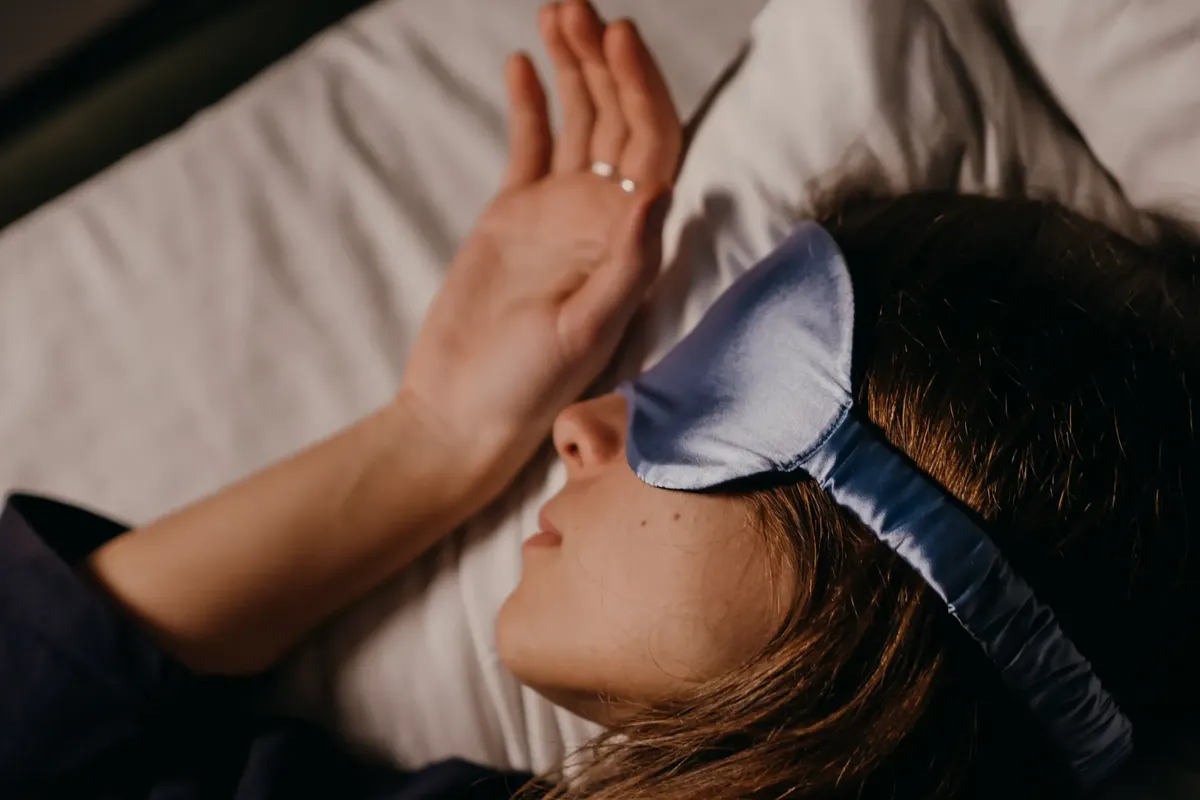
A person sits in a dimly lit room, rubbing tired eyes after a long night of restless movement. The connection between rest and vision is complex, often forming a cycle of discomfort.
The sleep and eye health link suggests that vision problems can directly impact the quality of rest a person receives. According to the Association of Optometrists (AOP), a study found that individuals with visual impairment are twice as likely to experience poor sleep quality.
This means that when vision is compromised, achieving restorative sleep becomes more challenging.
Maintaining healthy vision requires addressing these sleep disruptions to prevent further fatigue. Poor sleep quality can lead to ocular discomfort, creating a loop where eye issues prevent sleep, and sleep loss exacerbates eye strain.
Understanding this connection is the first step in managing long-term ocular wellness.
What are the ideal sleep patterns for eye care?
A student adjusts a desk lamp, preparing to study late into the night while fighting the urge to close their eyes. Different life stages require specific sleep durations to maintain peak physical and cognitive function.
Effective sleep patterns for eye care depend heavily on the age and developmental stage of the individual. The US National Sleep Foundation recommends that adults aim for 7 hours of sleep per night.

For school-aged children, appropriate sleep duration is between 9 and 11 hours to ensure healthy development.
Children and teenagers require even more sleep, with needs ranging from 8–16 hours per night. Because eye health is part of general physiological health, meeting these specific windows is vital. Proper duration helps the body manage the physical demands of daily visual processing.
Why do sleep patterns eye care needs change with age?
At dawn, the elderly man shifts his heavy limbs to find comfort in his sleep.
An elderly person adjusts their pillow, seeking a quiet moment of rest before the sun rises. As the body ages, the requirements for sleep and the way it interacts with health change significantly.
Sleep-related needs shift as individuals move from childhood through adulthood. While children need extended periods of rest for growth, adults must focus on consistency to prevent chronic fatigue.
A 1996 paper cited by the National Sleep Foundation showed that college and university-aged students often get an average of less than 6 hours of sleep each night.
This lack of sleep in young adults can lead to immediate issues like eye strain or reduced focus. For those in the workforce, maintaining the recommended 7 hours is essential for managing the visual and mental load of professional life. Managing these shifts is a key part of long-term health.
How can we prevent poor sleep eye problems?
A worker stares at a bright computer screen, feeling the heavy weight of exhaustion in their eyelids. Preventing issues requires proactive management of sleep hygiene and environmental factors.
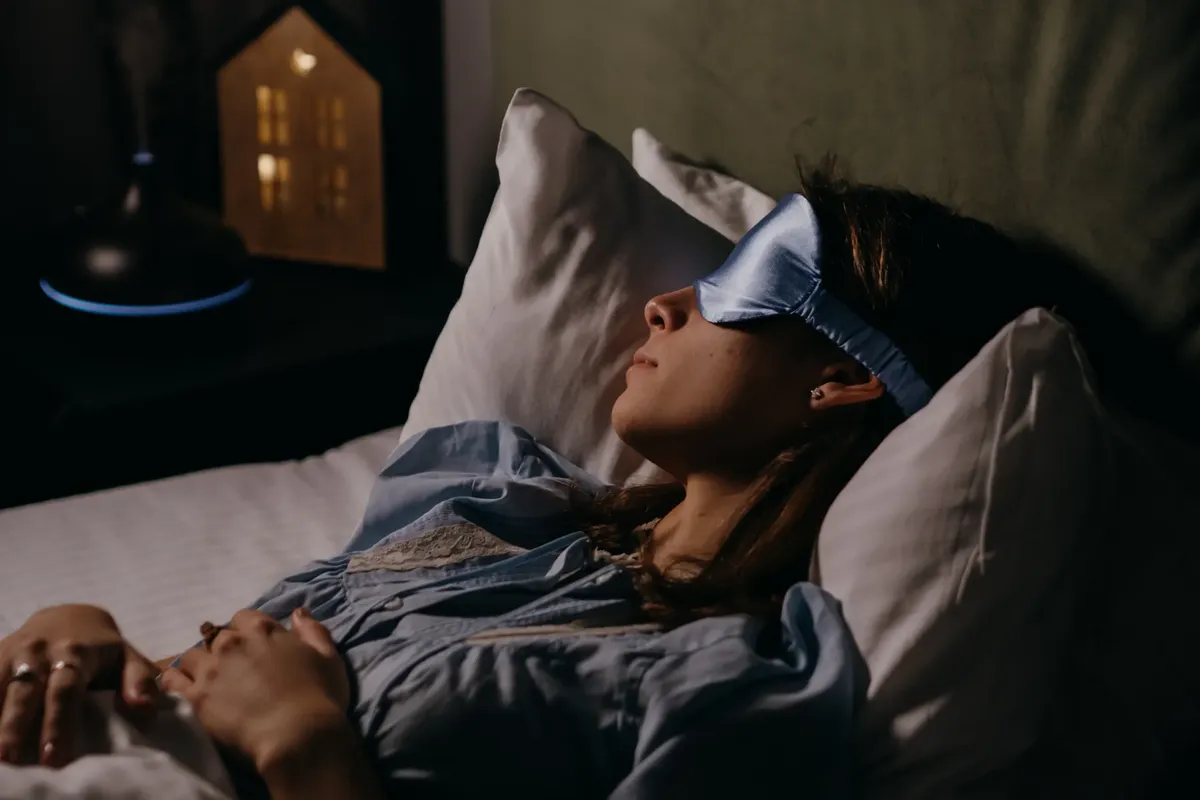
Preventing poor sleep eye problems involves adhering to consistent schedules and managing environmental triggers.
One factor to consider is the impact of technology, as a 2018 study published in the Journal of Economic Behavior and Organization found that broadband internet connection was associated with sleep deprivation.
To protect both eyes and sleep quality, follow these steps:
- Establish a consistent bedtime to regulate your internal clock. 2. Minimize screen use before bed to reduce blue light exposure. 3. Ensure the bedroom environment is dark and quiet to support deep sleep.
Always check that your sleep duration meets the minimum requirements for your specific age group to avoid chronic fatigue.
Can sleep deprivation impact visual performance?
A driver struggles to keep their eyes focused on the road during a long, late-night trip. The immediate effects of sleep loss can manifest as impaired vision and dangerous reaction times.
According to a 2018 study published in the Journal of Economic Behavior and Organization, broadband internet connection was associated with sleep deprivation.
Sleep deprivation can cause significant changes in how the brain processes visual information. For example, 24 hours of sleep deprivation in healthy participants has been shown to cause significant decreases in attentional processing and reduced focus.
These deficits can make tasks like reading or driving much more difficult.
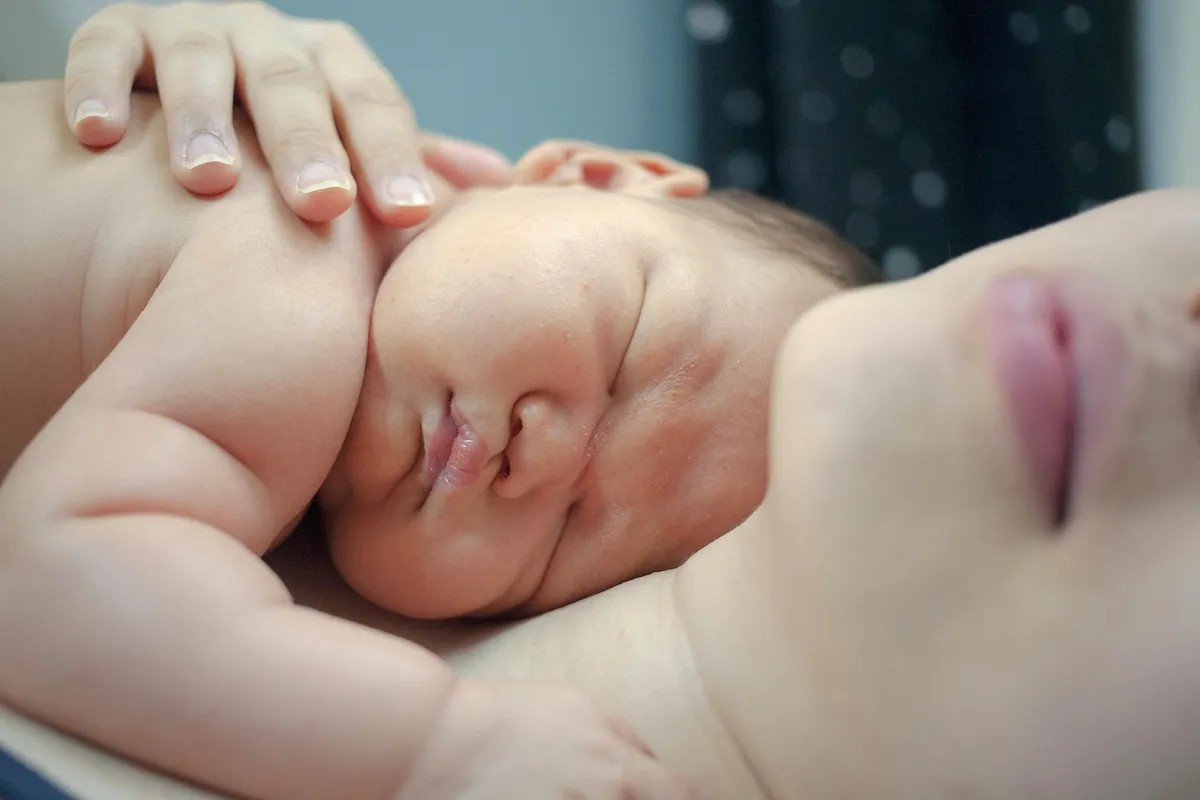
The risks are not just mental but also physical. For instance, after being awake for 17–19 hours, a person's performance can drop to levels comparable to being legally intoxicated. This level of impairment directly affects visual coordination and response-based tasks.
Comparison of Sleep Needs by Age Group
| Group | Recommended Sleep Duration |
|---|---|
| School-aged Children | 9 to 11 hours |
| Adults | 7 hours |
I compared these figures to see how much more rest children require compared to the standard adult recommendation.
- How does the sleep and eye health link work?
- What are the ideal sleep patterns for eye care?
- Why do sleep patterns eye care needs change with age?
Related
- Healthy diet for eyes: 20 minutes Vitamin mix for vision
- What are the limitations of current corneal treatments?
What are the cautionary signs of poor sleep affecting vision?
Poor sleep quality can manifest as noticeable changes in how a person perceives light or focuses on objects. The connection between rest and vision suggests that chronic tiredness can introduce visual discomfort.
A study finds those with visual impairment twice as likely to experience poor sleep quality, indicating a heightened vulnerability. This cyclical problem requires attention to break the pattern of strain and inadequate rest.
Maintaining consistent sleep habits helps mitigate the risks associated with visual fatigue. When sleep is insufficient, the body struggles to repair the tissues that support good vision. Therefore, recognizing these early signs is a necessary step in proactive eye care.
The impact of sleep loss on daily performance is often subtle until it becomes pronounced.
How does age influence the need for vigilance regarding sleep and sight?
As individuals age, the physiological demands on the body, including those related to vision, change. The shift in sleep-related needs means that the focus moves from growth requirements in youth to consistency in older adulthood.
This change necessitates a different approach to maintaining ocular health. A study finds those with visual impairment twice as likely to experience poor sleep quality, a risk that may be amplified with age.
For older adults, maintaining the recommended sleep duration becomes crucial for managing the overall visual and mental load of daily activities. The body's ability to recover from visual strain is dependent on adequate rest periods.
Understanding this age-related shift allows for tailored strategies to support both sleep and sight.




Comments 0