Reduce eye strain with home lighting: Tips for reading
"The eyes are the windows to understanding our surroundings, yet we often forget to manage the light that enters them."
This guide explores how to create an eye-friendly home ambiance by managing light distribution, choosing appropriate brightness for different activities, and understanding the relationship between vision and the environment.
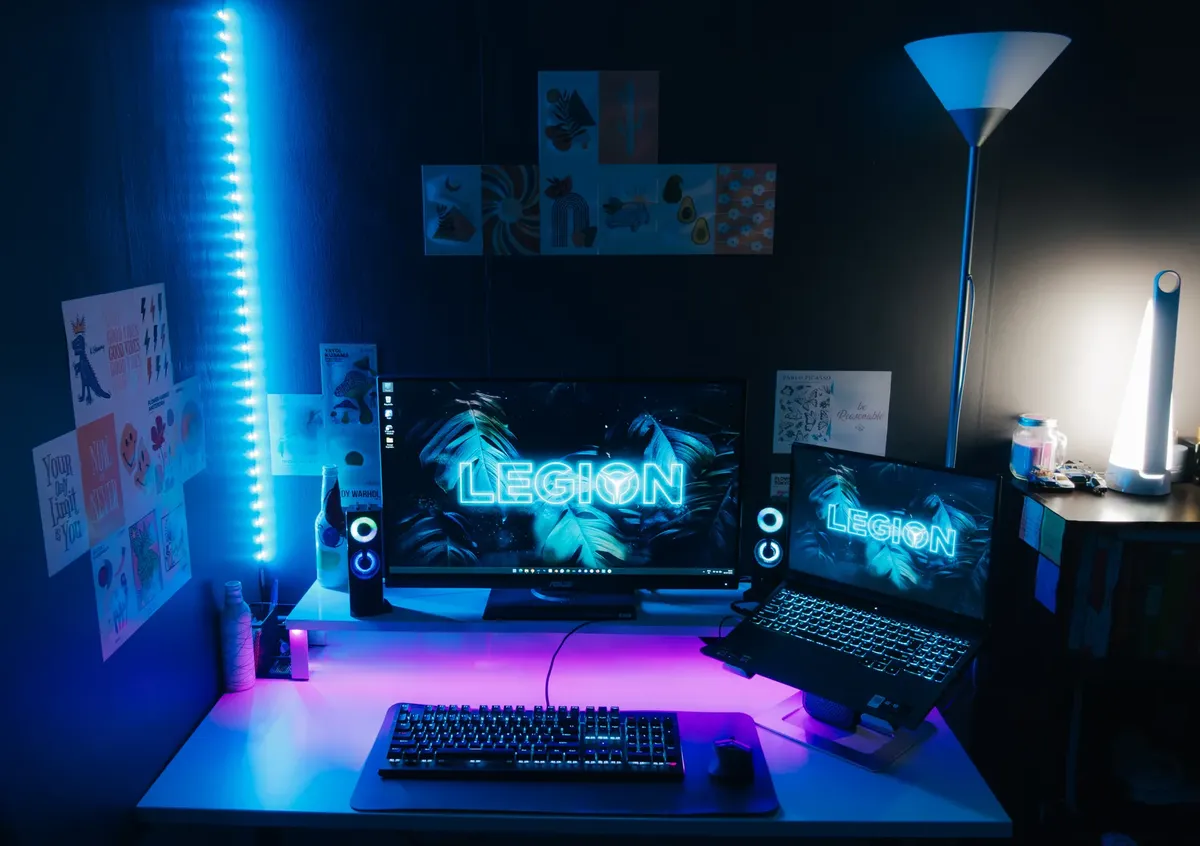
Key takeaways: 1. Balance ambient and task lighting to prevent squinting. * Avoid direct glare on screens or reading surfaces. * Use layered lighting to maintain consistent visibility.
How can I reduce eye strain with home lighting?
A person sits at a wooden desk, adjusting a lamp to avoid a bright reflection on a computer screen. They lean back, noticing how the room's shadows shift with a single click.
If a desk lamp is excessively bright in a dark room, your pupils will struggle to adjust, which can lead to fatigue.
A well-balanced environment helps eyes maintain focus without constant muscular adjustment. Proper light distribution ensures that your eyes do not have to work harder to resolve details in dim corners or fight through glare.
What is the best home lighting for eyes?
A reader picks up a book, moving a flexible neck lamp closer to the pages to sharpen the text. The soft glow fills the immediate space without spilling harshly into the rest of the room.
The best home lighting for eyes is not a single bright source, but a combination of ambient, task, and accent lights. Ambient lighting provides the base level of visibility, while task lighting offers concentrated brightness for specific activities like reading or cooking.
Using multiple light sources prevents the "cave effect," where a bright spot in a dark room causes severe eye fatigue.
Choosing the right light for vision involves selecting bulbs with high color rendering and avoiding flickering. When light is distributed evenly, your eyes can move between different focal lengths and brightness levels more naturally.
How do I manage optimal light levels for reading?
An individual holds a tablet, tilting it slightly to catch the light from a side-positioned lamp. The light hits the screen evenly, eliminating the distracting glare that previously blurred the text.
To achieve optimal light levels for reading, follow these steps:
- Position the light source to the side of your reading material to minimize direct glare into your eyes. 2. Adjust the brightness so the text is clear but the background remains soft, preventing high-contrast strain. 3. Use a warm-toned bulb for evening reading to support natural sleep rhythms while maintaining clarity.
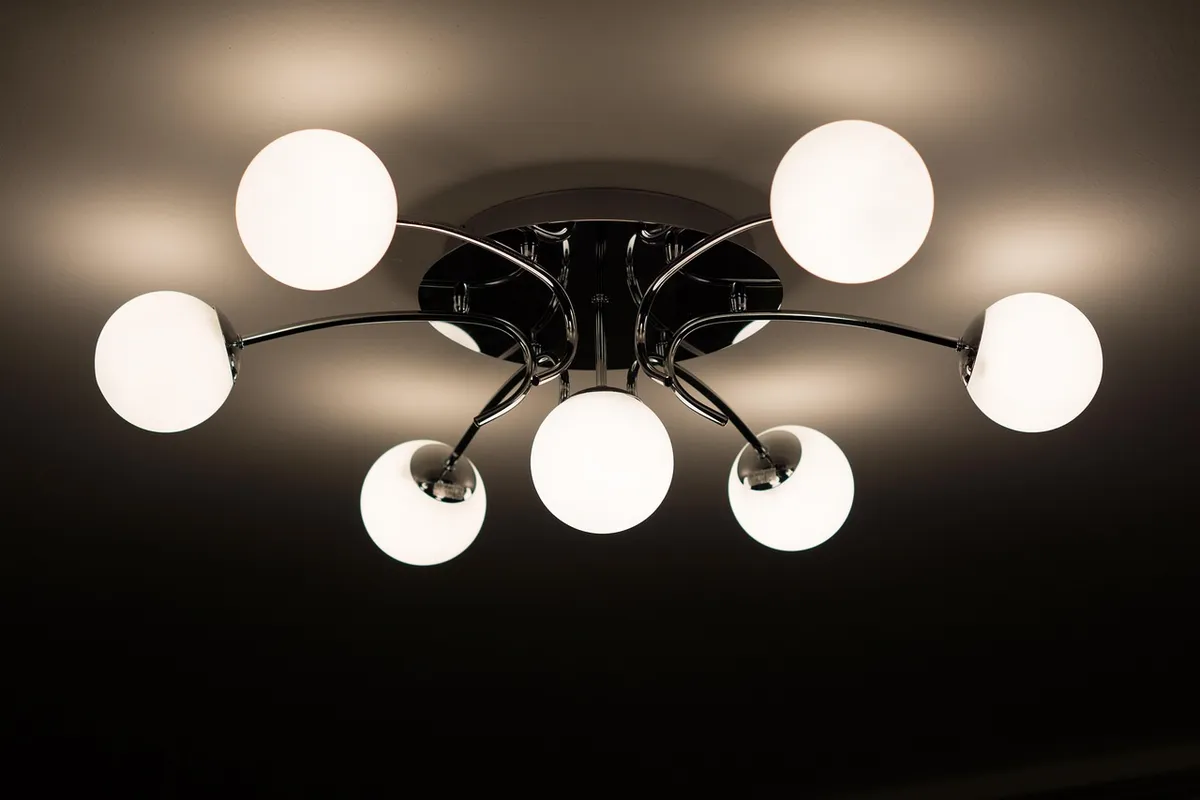
I once tried to read under a single, powerful overhead light, but the shadows on the page made the text jump. Shifting to a dedicated task lamp changed my ability to focus immediately.
If you are reading in a very dark room, even a well-placed lamp might not prevent strain if the contrast is too extreme.
How can I create an eye-friendly home ambiance?
A family gathers in a living room where dimmable lights allow for a soft, warm glow. The atmosphere is calm, and everyone can see clearly without any single light source being overwhelming.
Creating an eye-friendly home ambiance requires layering light to mimic natural daytime transitions. Start with soft ambient light to set the mood, then add task lighting where work happens. This approach prevents the eyes from constantly adjusting to extreme light-to-dark transitions.
| Lighting Type | Primary Purpose | Eye Benefit |
|---|---|---|
| Ambient | General visibility | Reduces dark shadows |
| Task | Focused activities | Sharpens detail perception |
An eye-friendly environment should feel cohesive, where the light supports the activity without dominating the space.
What are the steps for adjusting indoor light for sight?
A person stands in a hallway, turning on a dim wall sconce to navigate the path safely. The light provides enough visibility for movement without causing a sudden burst of brightness.
Adjusting indoor light for sight can be done through a systematic approach to your living space:
- Identify high-glare areas, such as windows or reflective surfaces, and use blinds or matte finishes to diffuse the light. 2. Install dimmable switches to allow for different light levels based on the time of day or specific tasks. 3. Place task lamps at different heights to ensure light reaches the surface you are working on without hitting your eyes directly.
Check your setup by looking at your primary work surface from a seated position; if you see a bright bulb reflection, the angle needs adjustment.
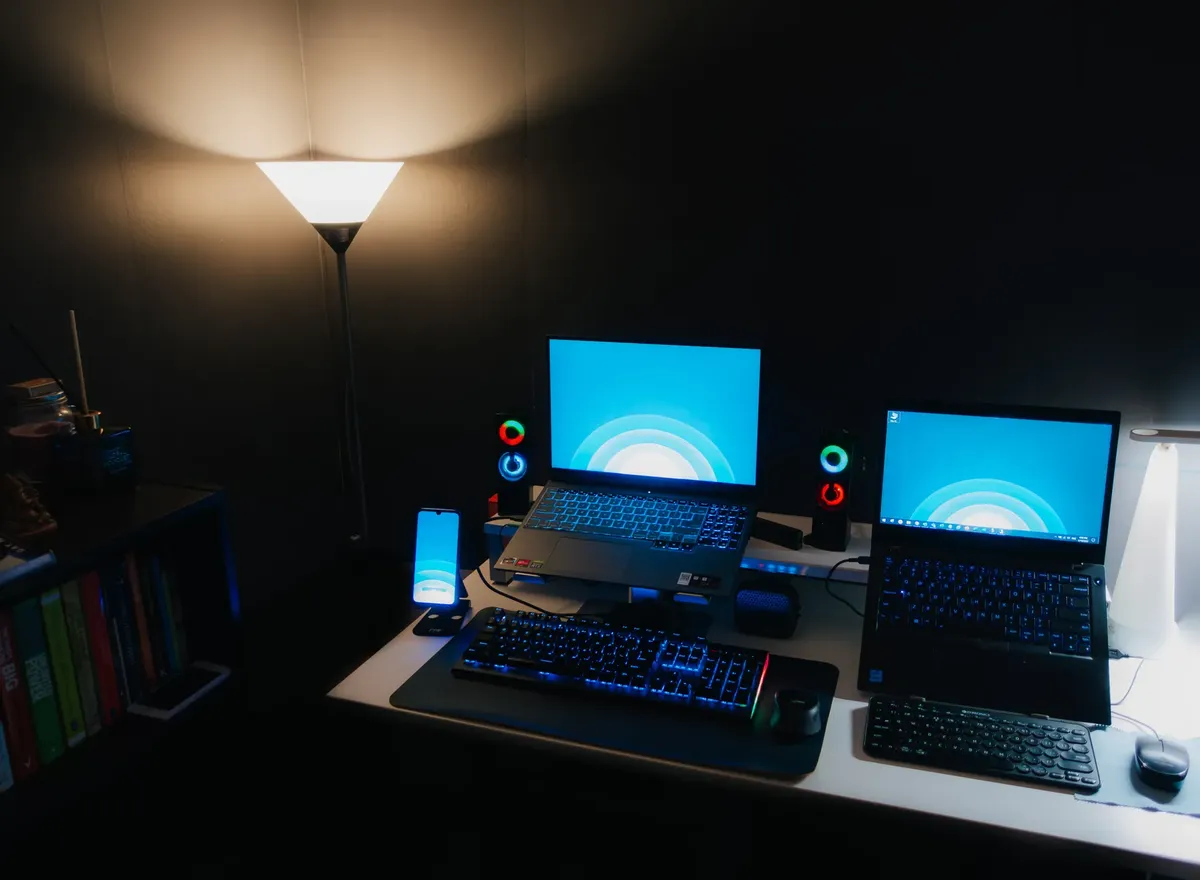
- To reduce eye strain with home lighting, you must balance ambient brightness with task-specific illumination to prevent glare and harsh shadows.
- Effective strategies to reduce eye strain with home lighting involve managing the contrast between your task area and the rest of the room.
- You should aim for a gradual transition of light rather than sharp, sudden changes in brightness.
The subject here is Reduce eye strain with home lighting.
The same subject is also called Eye comfort lighting setup.
The same subject is also called Low eye fatigue lighting tips.
Related
- Reduce eye strain with home lighting: Tips for comfort
- Reduce eye strain with home lighting: Manage visual fatigue
When are the eyes most susceptible to light-related strain? Eyes are most susceptible to light-related strain when the contrast between the illuminated area and the surrounding darkness is too severe. This condition occurs when the pupils must rapidly shift their focus between a brightly lit object and a dim background. Such rapid adjustments force the eye muscles to work continuously, which contributes significantly to fatigue. According to the World Health Organization, Bhutan is charting a new course for eye health by 2030. According to the OECD, Icelanders are among the world's healthiest people, with 77% reporting they are in good health, more than the OECD average of 68%.
This struggle to adjust contrast is particularly apparent when one is working under a single, powerful overhead light source. The resulting sharp shadows on the page or screen create visual disruption, making the text appear unstable or jumpy to the viewer.
Furthermore, the eyes experience increased strain when they are forced to fight through glare. Glare is a form of light that scatters off surfaces, preventing the eye from seeing the intended object clearly, even if the overall illumination level is adequate.
How does light quality affect the eyes? Light quality refers to characteristics beyond mere brightness, such as color temperature and stability. Choosing bulbs with high color rendering ensures that colors appear as they should in the real world, which aids in visual perception.
Flickering light, even if imperceptible to the conscious observer, can cause significant discomfort for the eyes. This rapid variation in light output forces the visual system into constant, minute corrections.
A warm-toned bulb is recommended for evening reading because it supports the body's natural rhythms, which is a condition related to overall visual comfort. This contrasts with the need for sharper, more focused light during daylight tasks.



Comments 0