Best Home environment for dry eye: 5 mm Guide to eye comfort
"The feeling of grit in your eyes often stems from the very air you breathe in your living room."
Managing a home environment for dry eye involves stabilizing humidity and adjusting screen habits to prevent tear evaporation.
This guide covers how to control humidity for eyes using simple tools, how to adjust room temp for vision, and practical ways to prevent dry eyes at home through lifestyle shifts.
How can you manage a home environment for dry eye?

At sunset, I gently press a warm cloth against my eyelids to soothe the stinging sensation within my home.
A person sits at a desk, staring at a glowing monitor while the air conditioner hums in the background. To maintain eye comfort, one must address both the physical space and personal habits.
According to Wikipedia, dry eye syndrome affects 5–34% of people to some degree depending on the population assessed. This wide range shows that environmental triggers are common.
One effective way to manage the indoor climate for eye health is to use warm compresses. Applying these for 10-15 minutes can be effective, especially with affordable masks available for heating.
Digital devices change how we interact with our surroundings. Studies show that we only blink about 5 to 7 times in a minute while using computers and other digital screen devices.
To manage your surroundings, minimize direct airflow from fans or air conditioners toward your face and use humidifiers to maintain moisture in the air.
What are the best humidity level for eyes?
A humidifier sits on a wooden nightstand, releasing a gentle mist into the bedroom air. Maintaining moisture is a key part of an indoor climate for eye health.
While specific humidity percentages vary by climate, the goal is to prevent the air from stripping moisture from the tear film. If the air is too dry, it can exacerbate symptoms.
An eyebrow exercise, involving lifting each brow for 30 minutes, helped stop dry eye for one user. This physical movement can complement environmental changes.
I once tried using a warm mask during a long work session to see if it helped my blinking rhythm.
How to adjust room temp for vision?
At midnight, I shiver in the cold hallway while adjusting the thermostat in my home.
A thermostat display glows in a quiet hallway, showing a temperature that feels slightly too cool. Adjusting the environment is necessary to prevent constant eye irritation.
Temperature affects how quickly moisture evaporates from the ocular surface. Using warm compresses for 10-15 minutes can help manage the physical sensation of dryness.
| Method | Duration |
|---|---|
| Warm Compresses | 10-15 minutes |
| Eyebrow Exercise | 30 minutes |
I found that the duration of the compress was essential for the comfort level.
Keep the room temperature moderate to prevent excessive dryness caused by heat or irritation from extreme cold.
How to prevent dry eyes at home?
A person reaches for a glass of water while looking away from a tablet. Preventing eye strain requires a mix of environmental and behavioral adjustments.
To prevent dry eyes at home, one should focus on the following steps:
- Use warm compresses for 10-15 minutes to soothe the eyes. 2. Practice conscious blinking to combat the low blink rate during screen use. 3. Use affordable heating masks to maintain consistent warmth.
Always check that the heat from a compress is comfortable before application.
- Use a humidifier to add moisture to the air.
- Keep windows closed during windy or dry weather.
- Avoid sitting directly in front of heating vents.
What is the diagnostic process for dry eyes?
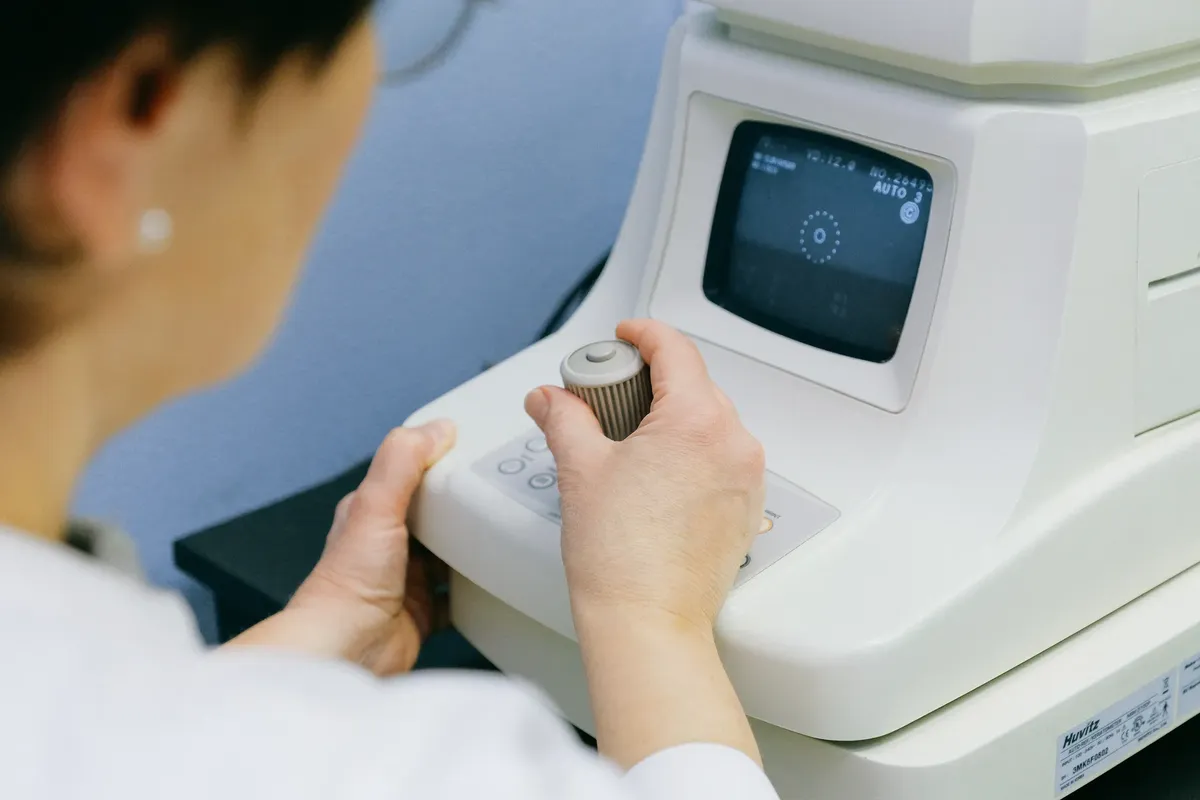
A clinician prepares a small strip of specialized paper on a clinical tray. Understanding the medical side helps clarify why environmental control is necessary.
A five-minute Schirmer's test uses a Whatman #41 filter paper, which is 5 mm wide by 35 mm long, to measure tear production. This test can be performed with or without anesthesia.

Wetting under 15 mm after five minutes is considered abnormal during this test. This measurement helps doctors understand the severity of the condition.
A specialist typically performs a comprehensive eye exam, which may include testing tear production and evaluating the quality of your tear film.
The subject here is Home environment for dry eye.
This part also covers Ideal temperature for eye care.
This part also covers How to keep eyes moist indoors.
Related
- Eye breaks: 10 minutes Home activity time eye health guide
- Best diet for eye health: Tips for 20-20-20 rule
When does the feeling of grit in your eyes worsen?
The feeling of grit in your eyes often worsens when the air becomes excessively dry, which is a common environmental trigger. Extreme cold or heat in the room can accelerate the evaporation of moisture from the ocular surface. Furthermore, prolonged focus on digital screens contributes to reduced blinking, leading to drier eyes.
How does temperature influence tear film stability?
Temperature directly impacts the rate at which moisture evaporates from the eye's surface. Maintaining a moderate room temperature helps prevent this rapid moisture loss, which can aggravate the sensation of grit. Using warm compresses helps counteract the physical dryness associated with temperature fluctuations.
Properly managing the home environment requires attention to both the air quality and personal visual habits. The goal is to create a stable atmosphere that supports tear film health. This approach helps mitigate the symptoms associated with dry eye syndrome.
What other factors contribute to the feeling of grit? 1. Prolonged screen time reduces the blink rate, which contributes to the feeling of grit. 2. Air movement from fans or air conditioners directed at the face can strip moisture, causing the feeling of grit. 3. Low humidity in the living room environment can cause the feeling of grit by drying the tear film.
These factors illustrate that the feeling of grit is often a symptom of environmental stress on the eyes. Addressing these specific triggers can help stabilize the ocular surface.
How does proper humidity control impact eye comfort? Maintaining moisture in the air is a key part of an indoor climate for eye health. Using humidifiers helps prevent the air from stripping moisture from the tear film, which can worsen the feeling of grit. If the air is too dry, it can exacerbate symptoms of dry eye.
The goal of humidity management is to keep the air from causing excessive evaporation from the ocular surface, thereby reducing the discomfort associated with the feeling of grit.




Comments 0