What are the limitations of current corneal treatments?
"The cornea is a sensitive window of the eye, where even a slight change in thickness or structure can dramatically alter how a patient perceives the world."
New advancements in understanding corneal anatomy and surgical standards have fundamentally shifted how clinicians manage vision correction and eye health.
This exploration covers the historical evolution of laser technology, the development of specialized implants, and the technical standards that govern modern ocular procedures.
Key takeaways include the significance of the LASIK standard, the role of intrastromal rings in managing keratoconus, and the historical context of surgical innovations.
How has the history of LASIK shaped modern vision correction?
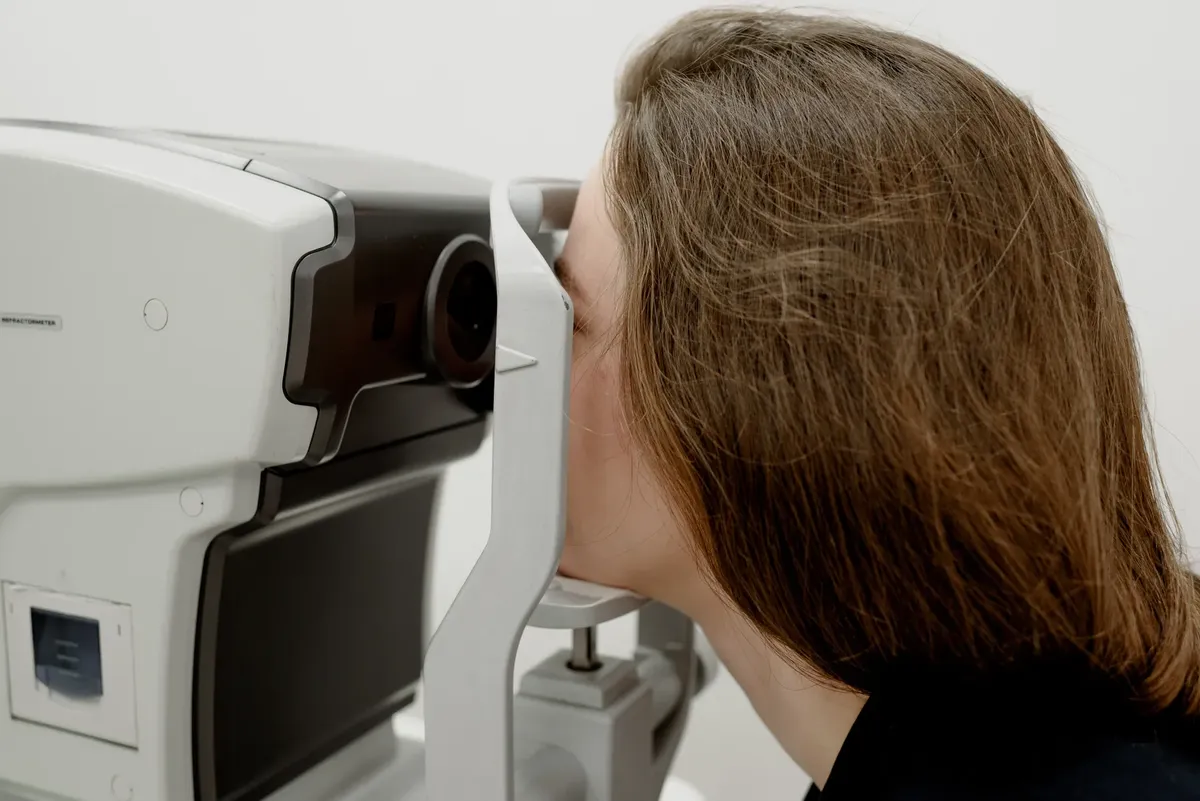
A surgeon adjusts a laser system to reshape the corneal surface with precision. In 1992, under the direction of the FDA, Greek ophthalmologist Ioannis Pallikaris introduced LASIK to ten VISX centers.
This movement toward laser-based intervention marked a significant shift in how clinicians approach refractive errors.
The evolution of these technologies required strict oversight to ensure patient safety during corneal reshaping.
In March 2009, the FDA officially recognized the new LASIK standard from The American National Standards Institute (ANSI), entitled "Laser Systems for Corneal Reshaping." This standardization provided a framework for the reliability of laser systems used in clinics worldwide.
The integration of such technology changed the landscape of ophthalmology. By establishing these protocols, the medical community moved toward more predictable outcomes. The transition from manual techniques to standardized laser systems remains a cornerstone of modern refractive surgery.
- Laser technology was refined to allow for precise tissue reshaping.
- Surgeons developed advanced flap-creation techniques to improve stability.
- Refractive outcomes became more predictable through iterative hardware improvements.
- In this sequence, the second step is the most significant.
What role do specialized implants play in managing corneal conditions?
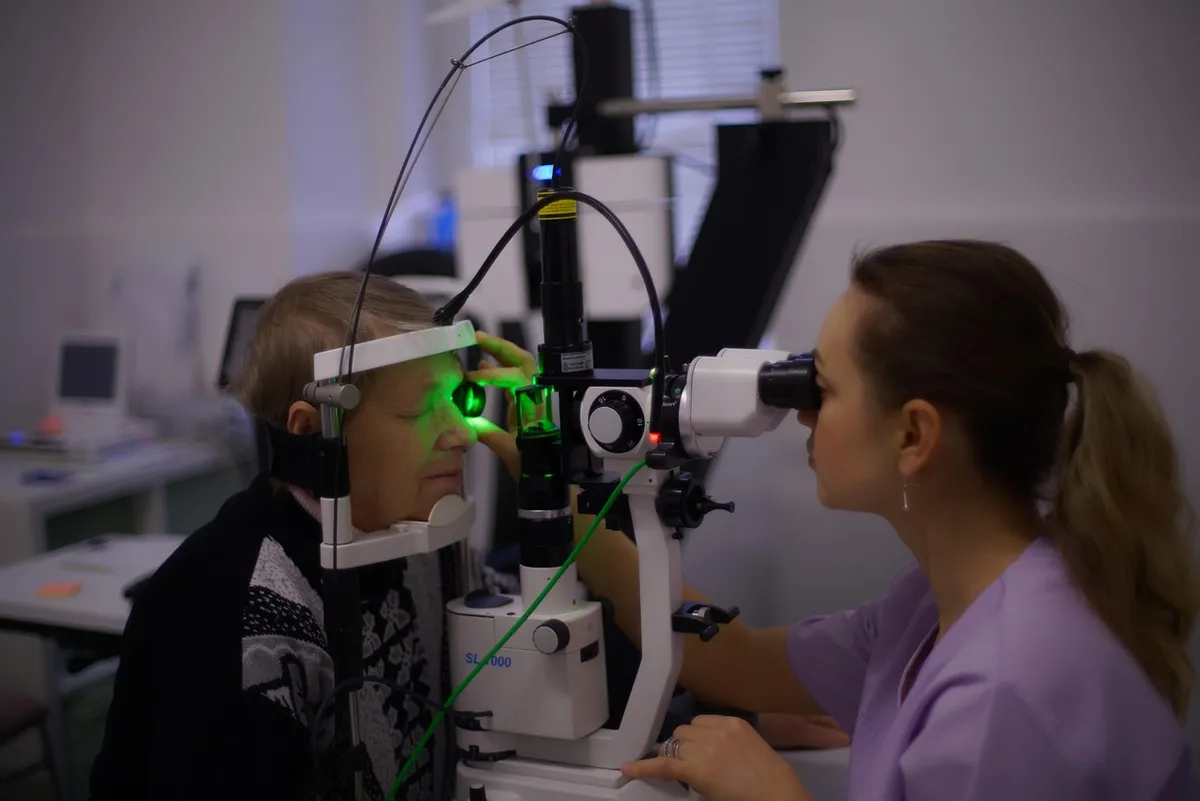
An ophthalmologist examines a patient's eye to determine if specialized rings are necessary for stability. For individuals living with keratoconus, traditional methods like glasses or contact lenses may no longer provide adequate vision correction.
In 2004, the Food and Drug Administration approved intrastromal corneal rings to assist people with keratoconus who cannot adequately correct their vision with glasses or contact lenses. These rings provide structural support within the corneal stroma.
This innovation offered a new avenue for patients seeking more stable visual outcomes.
The use of these devices reflects an ongoing effort to address complex corneal shapes. By reinforcing the corneal structure, clinicians can better manage progressive conditions. This technological leap has provided relief to many patients facing vision loss due to irregular corneal curvature.
How do synthetic materials compare to natural corneal structures?
A technician prepares a synthetic graft for a delicate transplantation procedure. While natural human corneas vary in size, researchers have developed specialized synthetic alternatives for surgical use.
An FDA-approved type of synthetic cornea measures 7.0 mm in diameter and 0.5 mm in thickness. This specific sizing is designed to meet certain surgical requirements for transplantation.
Comparing these dimensions to natural anatomy helps surgeons select the appropriate material for a patient's unique needs.
| Feature | Synthetic Cornea | Natural Human Cornea (Center) |
|---|---|---|
| Diameter | 7.0 mm | ~11.5 mm |
| Thickness | 0.5 mm | 0.5–0.6 mm |
I observed that the precision of these measurements is vital when selecting a graft for a patient. The differences in diameter and thickness between synthetic and natural tissue must be carefully managed during surgery.
How does subspecialty training affect the future of eye care?
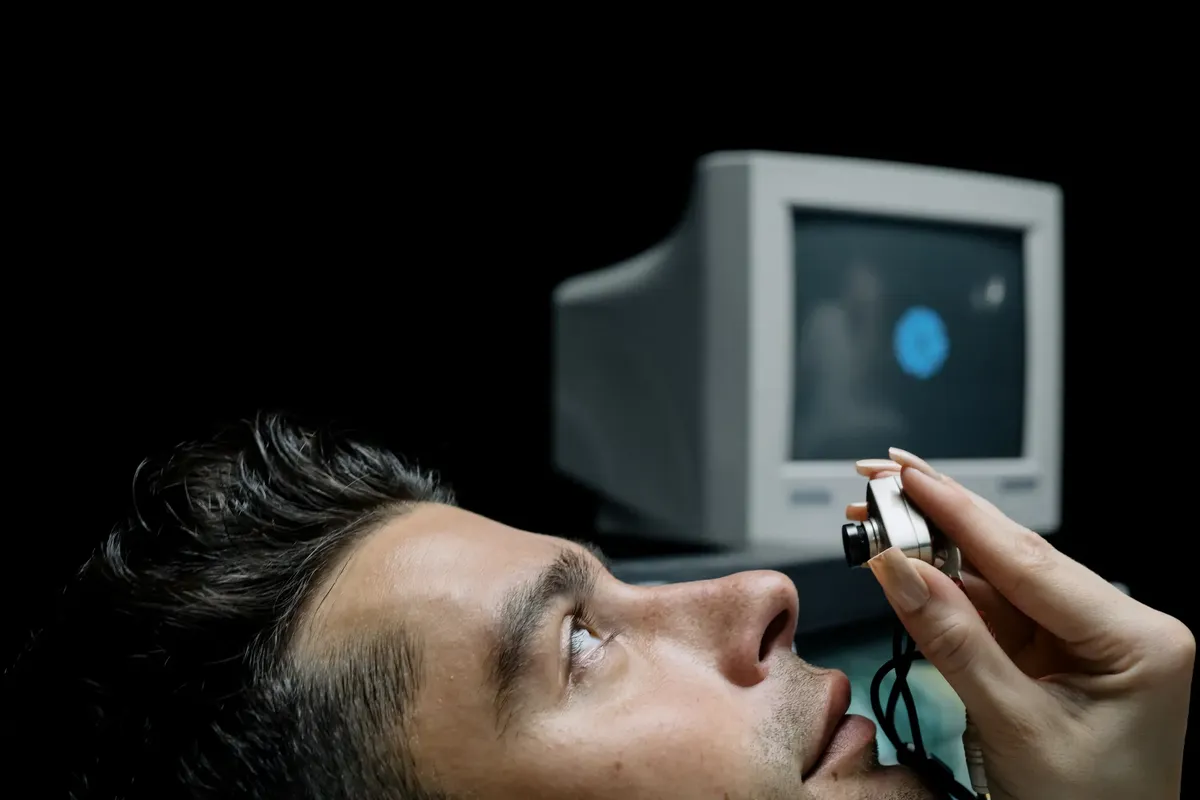
A fellow studies complex ocular pathology to prepare for a specialized medical career. The field of ophthalmology is broad, requiring deep expertise in specific areas of the eye to treat various diseases effectively.
According to the Nepal Medical Council, all graduates must pass the Nepal Medical Council Licensing Exam to become registered ophthalmologists in Nepal.
Subspecialty training is undertaken by approximately 30% of fellows (FRCSC) in a variety of fields from anterior segment, cornea, glaucoma, vision rehabilitation, uveitis, oculoplastics, medical and surgical retina, ocular oncology, Ocular pathology, or neuro-ophthalmology.
This specialization ensures that complex cases are handled by experts.
Specialized training allows for more advanced diagnostic and surgical techniques. As technology evolves, the need for experts in niche fields like corneal pathology or neuro-ophthalmology becomes even more critical. This specialized knowledge drives the future of vision science.
What are the limitations of current corneal treatments?
A clinician reviews a patient's history, noting the challenges of drug delivery to the ocular surface. While treatments have improved, the unique anatomy of the eye presents constant hurdles for medical professionals.
According to the Food and Drug Administration, intrastromal corneal rings were approved in 2004 for people with keratoconus who cannot adequately correct their vision with glasses or contact lenses.
The biological properties of the eye can limit the effectiveness of certain medications. Poor permeability of the cornea and quick wash out of therapeutic agents from ocular surface result in very low bioavailability of the drugs administered via topical route (typically less than 5%).

This low bioavailability makes it difficult to maintain consistent drug levels in the eye.
These physiological barriers remain a significant challenge in ocular pharmacology. Developing methods to bypass these issues is a primary focus of current research. Without addressing permeability, the effectiveness of topical treatments remains limited.
new corneal layer discovery
The subject here is new corneal layer discovery.
The same subject is also called corneal anatomy research.
The same subject is also called vision diagnosis future.
The same subject is also called ophthalmology new findings.
The same subject is also called eye care technology trends.
This part also covers cornea layer impact.
This part also covers visual diagnosis evolution.
This part also covers medical tech in sight.
cornea layer impact
Related







Comments 0