UV protection eyewear guide: How to select best eyewear
"Expensive brands and polarizing sunglasses do not guarantee optimal UVA protection."
Choosing UV glasses requires understanding that price and polarization do not equate to total eye safety. Effective UV protection involves selecting lenses that specifically filter harmful radiation while maintaining clear color vision.
This guide covers essential selection criteria, the benefits of UV glasses, and how to pick UV eyewear to ensure long-term ocular health.
How to select the right UV protection eyewear guide?
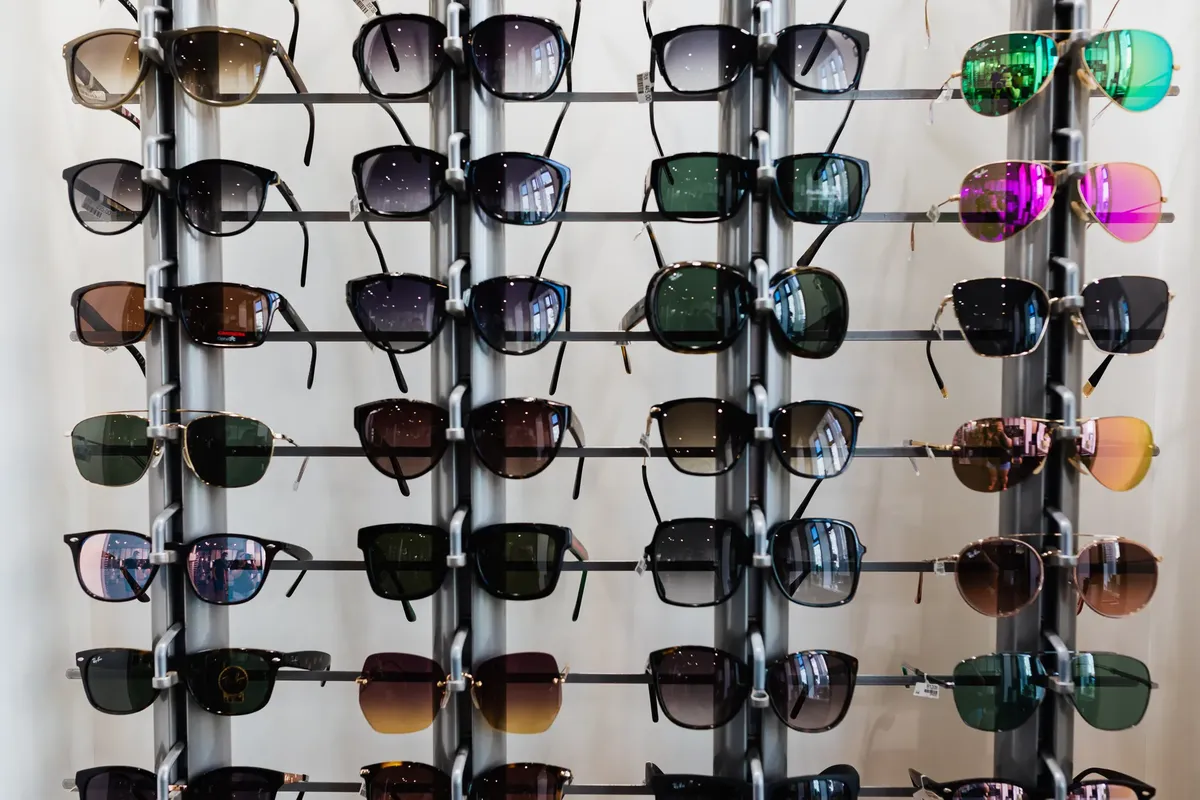
At the bright morning beach, I squinted through the glare while checking the lens tint to ensure reliable UV protection.
A person stands in the bright morning sun, squinting against the glare while reaching for a pair of stylish shades. To ensure these glasses provide actual safety, one must look beyond the brand name to the technical specifications of the lenses.
Choosing UV glasses requires focusing on the ability of the lenses to block specific wavelengths. According to the American Optometric Association, wearing sunglasses that block ultraviolet radiation (UV) is recommended whenever a person is in the sunlight to protect the eyes from UV and blue light.
This protection helps prevent serious eye problems caused by light exposure.
The Australian Competition & Consumer Commission has reported that consumers cannot rely on price as an indicator of quality. This means a high price tag does not automatically mean superior protection.
Relying on brand prestige over technical specs can lead to insufficient defense against solar radiation.
- Determine your specific lifestyle needs for sun exposure.
- Evaluate different lens coatings and frame materials.
- Test the fit and comfort of various styles.
How will UV glasses benefit me? A traveler walks through a bright desert landscape, feeling the heat of the sun on their face and the intensity of the light hitting their eyes. Understanding the benefits of UV glasses helps in making an informed purchase for outdoor activities.
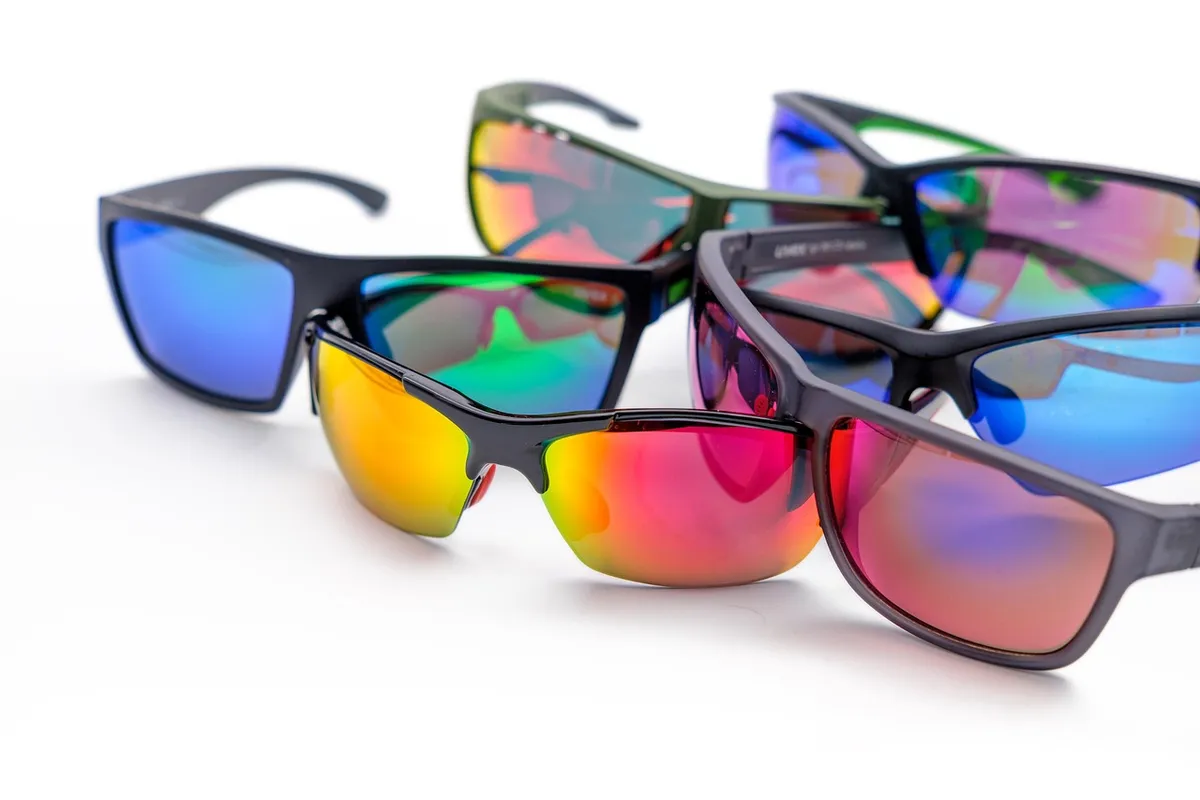
The primary advantage of proper eyewear is the filtering of harmful rays. Medical experts suggest that for adequate protection, sunglasses should reflect or filter out 99% or more of UVA and UVB light, covering wavelengths up to 400 nm.
This high level of filtration is vital for preventing cumulative eye damage.
While some might assume polarization is the only necessity, it is actually a different feature. A 1995 study reported that expensive brands and polarizing sunglasses do not guarantee optimal UVA protection.
While polarization helps with glare, it does not replace the need for high-quality UV filtering.
In this order, the second point is the most significant.
How to pick UV eyewear for daily use?
An individual sits at a cafe, adjusting their glasses to better see the surroundings while the sun shifts across the table. Learning how to pick UV eyewear involves checking for specific coverage and lens characteristics.
To ensure effective protection, follow these three steps: 1. Verify that the lenses provide 99% or more protection against both UVA and UVB radiation. 2. Check the coverage to ensure the lenses block wavelengths up to 400 nm. 3.
Confirm that the lenses do not over-filter light to the point of distorting color perception.
I remember checking the labels on my own sunglasses to ensure they met these wavelength requirements. Using these steps ensures that the eyewear serves its protective purpose rather than just acting as a fashion accessory.
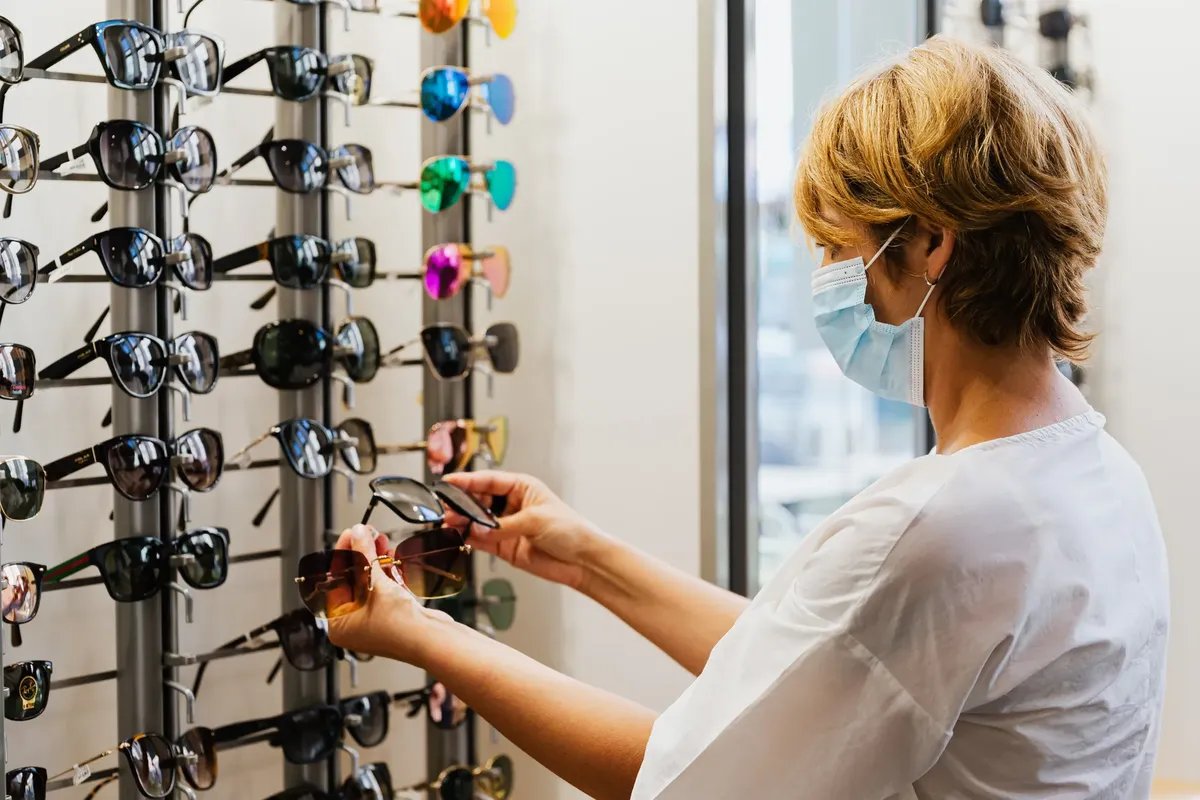
A limitation exists when lenses filter out too much blue light, such as 100%, because this can affect color vision and become dangerous in traffic when colored signals are not properly recognized.
How is blue light affecting my vision? A student works late into the evening under a bright desk lamp, noticing how the light interacts with their eyewear. Understanding UV eyewear selection requires looking at how blue light is managed.
Some manufacturers design glasses specifically to block blue light. For example, the insurance company Suva asked eye experts to develop norms for blue blocking, leading to a recommended minimum of 95% of the blue light being filtered.
Such specialized lenses target specific parts of the light spectrum.
While blue light filtering is a growing trend, it must be balanced with visual clarity. Proper UV protection lens tips suggest that while blocking blue light is beneficial, the user must maintain enough color accuracy for daily tasks.
Excessive filtering can change how colors appear to the human eye.
What are the best UV glasses criteria for longevity?
A hiker prepares for a long trek, carefully selecting durable frames and lenses that can withstand the elements. Identifying the best UV glasses criteria helps in finding gear that lasts.

Quality eyewear should combine durability with high-level radiation shielding. Since 2002, NASA has used the frame of the designer model Titan Minimal Art from the Austrian company Silhouette, combined with specially dark lenses developed jointly with an optometrist.
This demonstrates how specialized design can meet extreme environmental needs.
The goal is to find a balance between shade and protection. While dark lenses provide comfort in bright environments, the underlying ability to block UV radiation remains the most critical factor for eye health. Always prioritize the UV rating over the darkness of the tint.
The subject here is UV protection eyewear guide.
This part also covers UV protection lens effects.
Related
- Eyeglasses and eye health tips: Manage digital strain
- Best Home environment for dry eye: 5 mm Guide to eye comfort
What are the trade-offs when choosing UV eyewear? 1. The wearer must decide whether visual comfort in intense light outweighs the need for absolute color fidelity. 2. A caution exists regarding lenses that filter too much blue light, which can impede recognition of traffic signals. 3. The user must weigh the durability of the frame against the necessary level of UV shielding.
The selection process involves balancing the protective capabilities of the lenses against the wearer's daily visual requirements. Expensive brands might offer aesthetic appeal, but this does not supersede the technical necessity of high UV filtration.
When considering longevity, the combination of a robust frame and superior radiation blocking remains the most crucial element. The initial assessment of lifestyle needs dictates the appropriate level of protection required from the eyewear.
How does lens technology affect overall eye health? The filtering capability of the lenses directly influences the prevention of cumulative eye damage from light exposure. Medical experts emphasize that achieving a high degree of UVA and UVB light filtration is essential for safeguarding the eyes.
The ability of the lenses to block specific wavelengths is the core determinant of effective UV protection. This technical specification provides more reliable assurance than the marketing associated with expensive brands.
Even when polarization reduces glare, it functions independently from the primary requirement of blocking harmful ultraviolet radiation. Therefore, users should prioritize the UV rating above all other features when making a purchase.
The comparison between brand prestige and technical specifications highlights that the latter dictates actual eye safety. Consumers must understand that a high price does not guarantee the necessary spectral filtering.




Comments 0