Healthy diet for eyes: 20 minutes Vitamin mix for vision
"A healthy diet for eyes is not just about what you eat, but how you sustain your vision through consistent lifestyle choices."
Maintaining a healthy diet for eyes involves balancing specific nutrients with protective habits to prevent long-term damage. This guide covers essential vitamins, protective gear, and routine breaks to keep your vision sharp.
Key takeaways include utilizing specific vitamin formulations to manage AMD risks, applying the 20-20-20 rule for digital strain, and ensuring proper UV protection.
How can specific vitamins support vision?
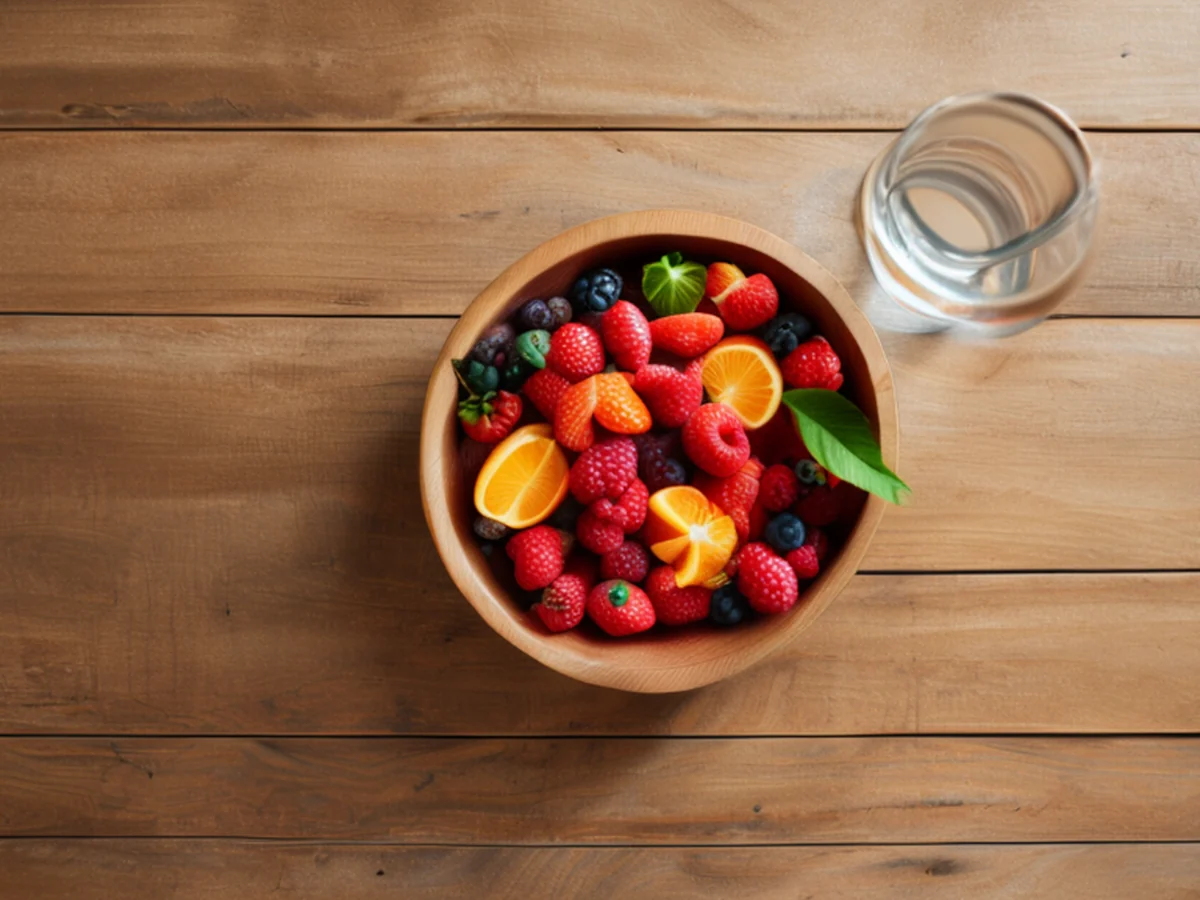
A researcher sits at a desk, reviewing a nutritional study on macular health. The study highlights how certain micronutrients can alter the course of degenerative eye conditions.
According to a study published in Investigative ophthalmology & visual science (2013), the Age-Related Eye Disease Study (AREDS) formulation, which includes vitamins C, E, beta-carotene, zinc, and copper, reduced the risk of progression to advanced AMD by 25% at 5 years.
This specific combination of nutrients targets the biological needs of the retina to slow disease advancement.
A dietitian organizes a meal plan, ensuring each recipe includes antioxidant-rich ingredients. They consider how nutritional strategies serve as a foundation for long-term ocular health.
The effectiveness of these supplements depends heavily on the specific formulation and the individual's current health status. For those managing existing conditions, following professional medical advice regarding vitamin intake is essential to avoid toxicity or imbalance.
What is the best foods for vision strategy? Healthy diet for eyes
The chef slices bright orange carrots in the kitchen, feeling the crisp snap of a healthy harvest.
A chef prepares a colorful salad, slicing bright orange carrots and deep green spinach. They think about how these natural colors represent different essential vitamins.
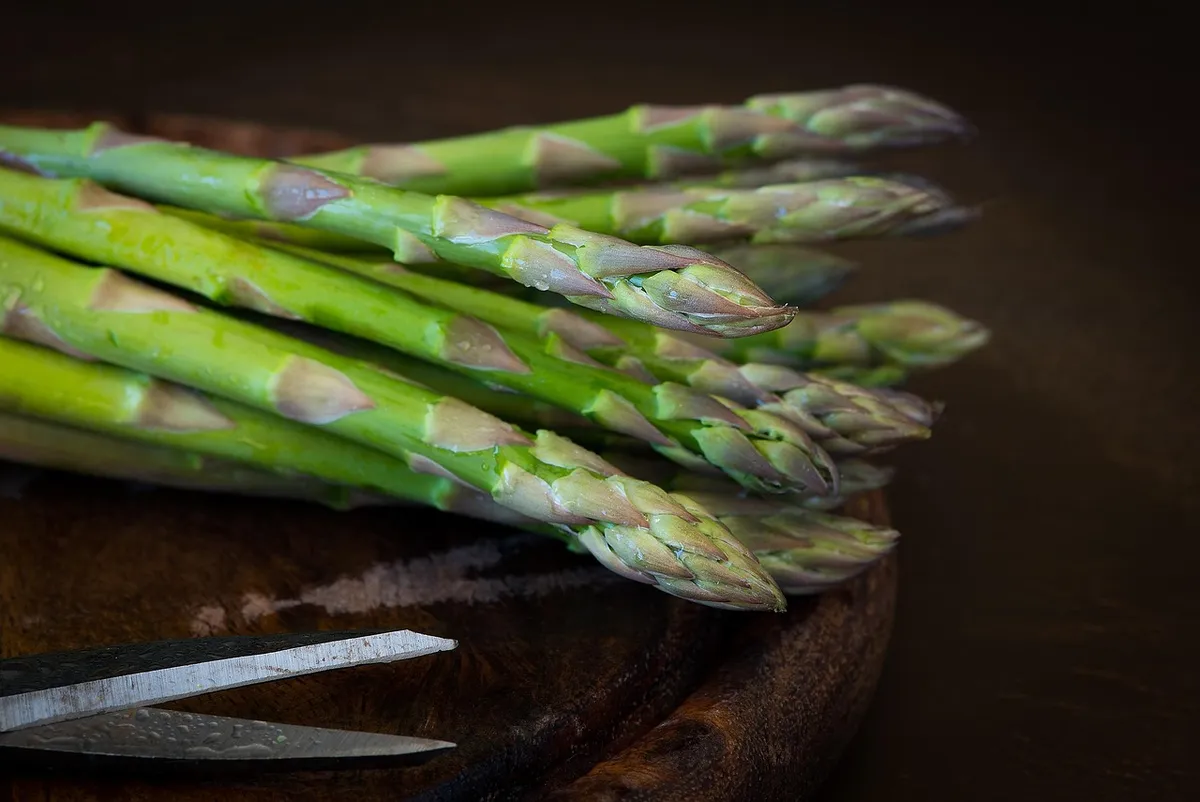
A healthy diet for eyes often relies on a variety of colorful vegetables and proteins to ensure a full spectrum of micronutrients. Incorporating these foods regularly helps maintain the structural integrity of eye tissues.
A nutritionist prepares a supplement regimen for a client. They check the labels to ensure the precise balance of minerals and vitamins is maintained for maximum efficacy.
| Supplement Component | Primary Purpose (as per study) |
|---|---|
| AREDS Formulation | Reduced advanced AMD risk by 25% at 5 years |
I noticed that following the AREDS formulation requirements requires careful attention to the specific mix of vitamins and minerals.
How can I use nutrition for good sight in daily life?
A person sits at a dining table, carefully measuring out a vitamin supplement. They reflect on the importance of consistency in their daily routine.
Using nutrition for good sight requires more than just a single meal; it requires a sustained pattern of eating. The goal is to provide the body with the building blocks necessary for retinal health over many years.
A person stares at a computer screen, then pauses to look out a window. They realize that nutrition is only one part of a larger visual health strategy.
| Strategy Element | Practical Application |
|---|---|
| Vitamin Mix | Using C, E, beta-carotene, zinc, and copper |

A limitation of nutritional intervention is that it may not prevent all forms of ocular damage, such as toxicity from medication.
What are the best ways to handle digital eye strain?
An office worker rubs their eyes after hours of staring at a bright monitor. They remember the simple rule they learned to prevent fatigue.
The 20-20-20 rule helps prevent digital eye strain: every 20 minutes, take a 20-second break to look at something at least 20 feet away. This rhythmic break allows the eye muscles to relax and refocus.
A student closes a thick textbook and looks toward the horizon. They take a deep breath, giving their eyes a moment of reprieve.
If you do work that requires visual concentration, like reading or looking at a computer screen, take eye breaks at least once every 20 minutes. This habit helps mitigate the constant tension caused by near-distance focus.
How does eye care diet and lifestyle overlap?
A hiker puts on a pair of dark sunglasses before stepping into the bright sunlight. They know that protection is necessary even when the sky is overcast.
A diet for eye care is most effective when paired with environmental protection. For example, wearing sunglasses that block 100% of UVA and UVB rays is vital, even on cloudy days.
A traveler checks their luggage, ensuring they have enough sunglasses for the upcoming trip. They understand that UV protection is a non-negotiable part of eye health.

Protecting the eyes from UV radiation helps prevent damage to the lens and retina. Combining proper nutrition with physical protection creates a comprehensive defense for your sight.
- How can specific vitamins support vision?
- What is the best foods for vision strategy?
- How can I use nutrition for good sight in daily life?
The same subject is also called Eye health meal tips.
This part also covers What to eat for eye health.
This part also covers Eye friendly meal planning.
This part also covers Vitamins for better vision.
What to eat for eye health
Related
- What are the limitations of current corneal treatments?
- Reduce eye strain with home lighting: Manage visual fatigue
When is a healthy diet most impactful for vision? A healthy diet for eyes shows its greatest benefit when it integrates with consistent protective measures. The nutritional benefits are amplified when the individual also adheres to habits like taking regular vision breaks. This synergy between what is consumed and how the eyes are used provides a more robust defense against visual decline.
The protective gear, such as UV-blocking eyewear, works alongside the vitamins to shield the delicate structures of the eye. Consistent application of both dietary recommendations and lifestyle adjustments supports the long-term maintenance of sharp vision.
For those managing existing conditions, the careful balance of the healthy diet must be monitored alongside medical guidance. This ensures that the nutritional support complements, rather than conflicts with, prescribed treatments.




Comments 0